

 |
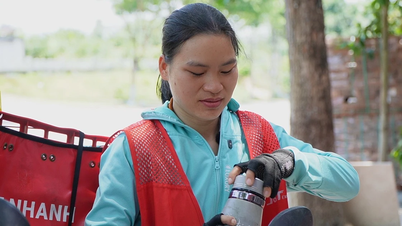
People suffering from heatstroke may experience symptoms such as fatigue, thirst, dizziness, or lightheadedness, which can easily lead to stroke. (Image: Research.noaa ) |
Each year, Vietnam records over 220,000 new stroke cases. Alarmingly, this number is no longer confined to the elderly but is showing a strong trend towards younger patients. At Dong Nai General Hospital, a distressing situation is unfolding where up to 80% of patients are admitted after the "golden hour" has passed. Complacency and gaps in medical knowledge are making the line between life and death more fragile than ever.
The body collapses under extreme temperatures.
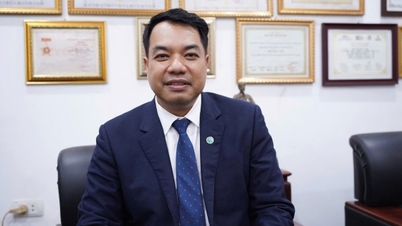
Explaining why strokes surge during hot weather, Dr. Nguyen Dinh Quang, Head of the Neurology Department at Dong Nai General Hospital, points out that this is the inevitable consequence of a series of negative biological reactions. When ambient temperatures reach extreme levels, the body is forced to strain to cool itself down through sweating. This process inadvertently becomes a fatal blow.
Rapid dehydration reduces circulating volume, causing blood to become thicker and more viscous instead of flowing smoothly. In this state, blood clots easily form, travel, and cause blockages in the narrow blood vessels of the brain.
For those with pre-existing conditions such as hypertension or diabetes, hot weather can trigger inflammatory responses and oxidative stress, making already fragile atherosclerotic plaques more prone to rupture, leading to the catastrophic possibility of an immediate stroke.
More worryingly, the elderly often have a weaker ability to regulate their body temperature than normal, making it difficult for them to adapt to sudden temperature changes. This is why this group, along with those who smoke and drink alcohol, are always prime targets for this "silent killer."
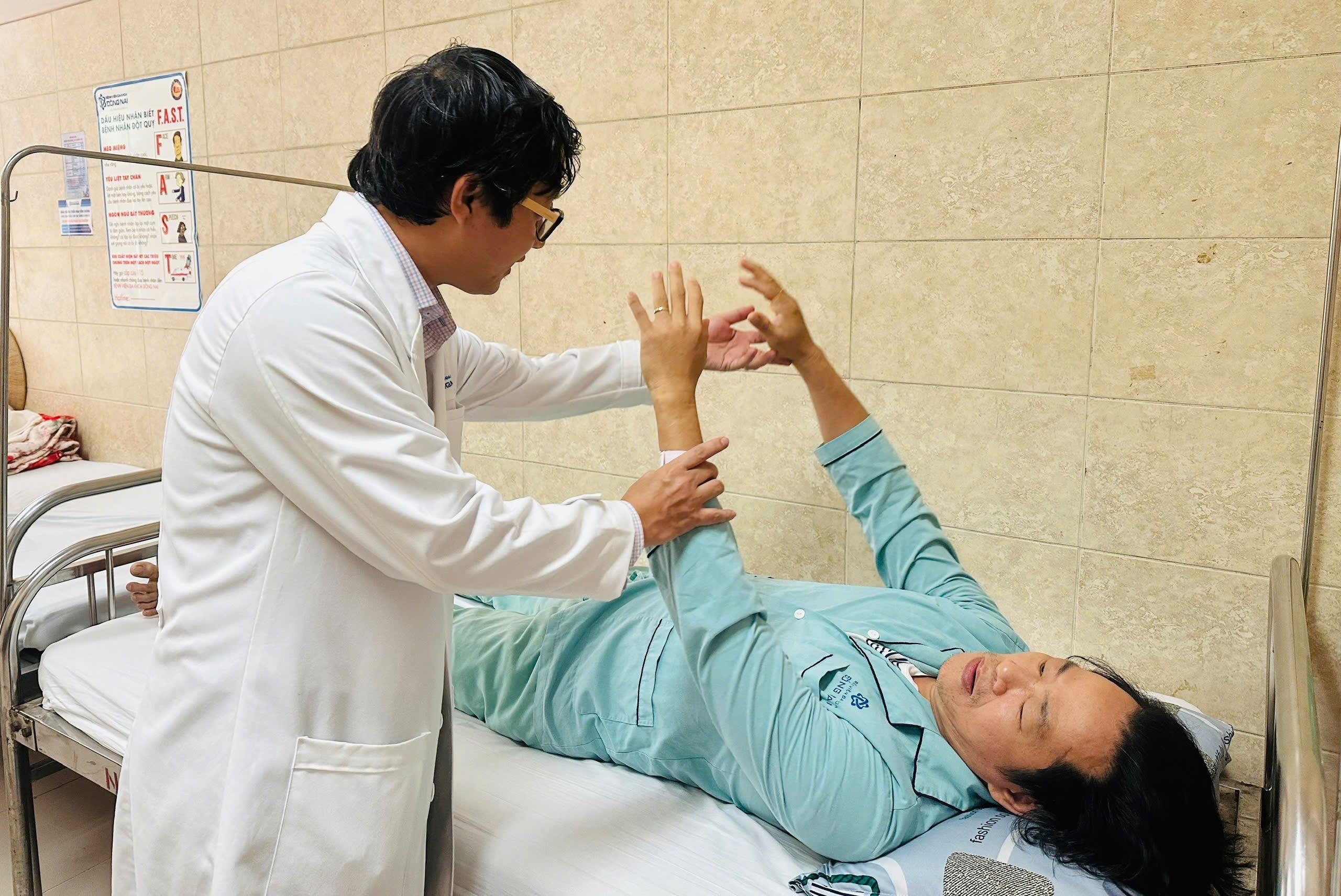 |
Dr. Nguyen Dinh Quang, a specialist in internal medicine, examines a patient after stroke treatment . Photo: Dong Nai CDC. |
One of the biggest obstacles in saving stroke patients during hot weather is the dangerous confusion between heatstroke and stroke. Many families, when they see a loved one collapse in the midday sun, often assume they have simply suffered from "sunstroke." This complacency inadvertently pushes the patient directly towards death.
In reality, sunstroke or heat exhaustion is often associated with a history of prolonged sun exposure, causing symptoms such as flushed skin, fatigue, or vomiting. Meanwhile, a stroke is a focal neurological failure. Signs such as facial drooping, weakness or paralysis on one side of the body, or slurred speech can appear suddenly, even when the patient is in the shade. The inability to distinguish between these two conditions often leads family members to prioritize home remedies over calling for emergency services, wasting precious "golden hour" time.
Dr. Quang emphasized that in stroke, "time is brain." Every minute that passes while a blood vessel is blocked, millions of brain cells die permanently. The BE FAST rule (Balance - Eyes - Face - Hands - Voice - Time) is not just medical knowledge, but should be considered a survival instinct for every citizen during hot weather.
Kindness becomes an indirect "death sentence".
A heartbreaking reality that frequently repeats itself in emergency rooms is the arrival of patients with severe pneumonia due to choking on medication or lemon juice. In a panic, many family members try to force-feed the patient anything they can find in the hope that they will regain consciousness.
Dr. Quang emphasized that they are unaware that approximately 50% of stroke patients suffer from swallowing disorders. This action not only fails to save their lives but can also lead to their death from respiratory failure before dying from brain damage.
Furthermore, self-medicating with blood pressure-lowering drugs or applying home remedies like cupping or finger pricking are blind actions without scientific basis. These practices only delay bringing patients to specialized medical facilities, the only places with the necessary equipment and medications to reverse the situation.
To safely navigate the harsh summer months, Dr. Quang advises people to proactively establish protective measures. Drinking enough water, avoiding going out during peak hours, and managing underlying health conditions are not just common health advice, but essential for protecting lives.
Stroke can happen unexpectedly, but its devastating consequences can be significantly reduced if we stop being complacent and start taking the right action from the very first seconds.
Source: https://znews.vn/thoi-diem-ca-benh-dot-quy-thuong-tang-cao-hon-post1651336.html


![[Photo] General Secretary and President To Lam presides over the meeting to approve the draft report on the results of the second inspection by the Politburo of the Standing Committee of the Hanoi City Party Committee.](https://vphoto.vietnam.vn/thumb/1200x675/vietnam/resource/IMAGE/2026/05/26/1779789811432_a2-bnd-4430-9620-jpg.webp)














































































Comment (0)