

Boosting the three key pillars of growth
To achieve double-digit growth, in addition to building a new growth model based on knowledge, science and technology , and innovation, the three traditional pillars of domestic consumption, investment, and exports continue to play a crucial role and contribute positively to driving growth.
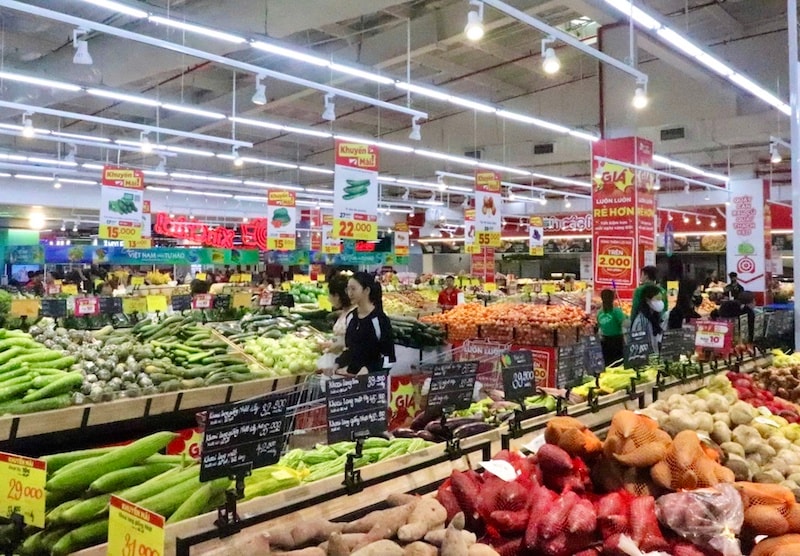
The first quarter's economic performance showed impressive growth despite geopolitical instability and global supply chain disruptions, driven by the combined effects of all three pillars.
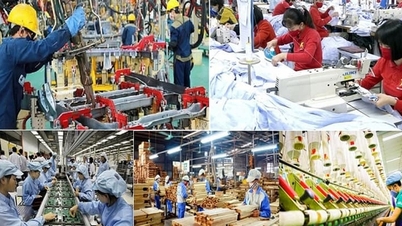
The service sector continues to assert its leading role, contributing over 50% to overall growth. One of the most notable highlights is the resurgence of private investment, with a 9.8% increase; coupled with the highest level of disbursed FDI inflows in the past five years, and particularly strong export growth concentrated in the manufacturing industry – a core driver contributing over 32% to GDP growth.
Experts consider these three pillars of growth to be crucial and in a way that builds a long-term foundation, rather than relying on isolated short-term measures.
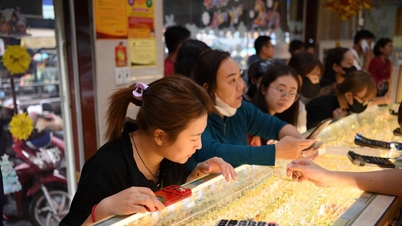
Regarding consumption, we are entering a selective phase. If workers' incomes continue to improve thanks to the recovery of production and exports, and monetary policy remains stable, consumption is likely to grow sustainably, focusing on essential goods, healthcare, and experiences with clear use value.
Conversely, if the pressure of rising living costs persists or the labor market experiences localized shocks, the "protective consumption" trend will strengthen. In that case, people won't cut spending, but will narrow their choices, prioritizing familiar brands and shopping channels that offer a sense of security.
The General Statistics Office assesses that consumer trends have a basis for maintenance in 2026 if macroeconomic stability continues, supporting production recovery, and maintaining employment and income for the people.
"If we continue to promote the development of the domestic market, improve the quality of goods and services, effectively exploit the tourism market, innovate products; and develop e-commerce and the digital economy, then domestic consumption will continue to be an important pillar contributing to economic growth in 2026," emphasized Ms. Nguyen Thi Huong, Director of the Statistics Department (Ministry of Finance).
Regarding investment, to achieve double-digit growth targets (2026-2030), Vietnam needs to double its total social investment capital, reaching approximately VND 38.5 million billion, equivalent to 40% of GDP, focusing on infrastructure and increasing the investment rate. Public investment, acting as "seed capital," is considered the main growth driver, especially in infrastructure in 2026. Therefore, accelerating the disbursement of public investment capital will create a boost for the economy.
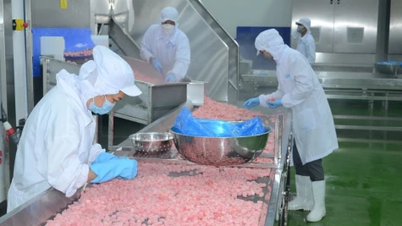
Regarding exports, the target for the whole year is 15-16% growth. To increase value, focus should be placed on productivity and product quality in advantageous sectors based on innovation; promoting trade and goods distribution through digital platforms; and expanding exports of key products with competitive advantages to large, potential markets. Following the direction of the Minister of Industry and Trade, the import-export strategy is being reviewed and revised, aiming for double-digit economic growth, expected to be completed in May.
Improving institutions and addressing economic bottlenecks.
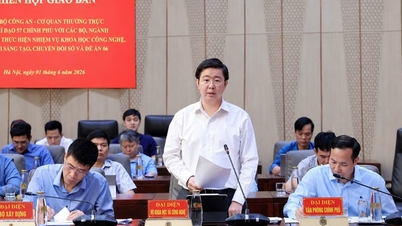
Although the aforementioned drivers continue to contribute positively to growth, according to Ms. Nguyen Thi Huong, Director of the General Statistics Office, to maintain growth momentum and achieve double-digit growth targets by 2026, it is necessary to focus on removing three main bottlenecks related to policy and institutional implementation, especially addressing administrative procedures, land clearance, and improving management capacity to accelerate public investment disbursement. Simultaneously, it is crucial to remove bottlenecks related to markets and capital; human resource quality; and competitiveness. Notably, many obstacles remain as inflationary pressures are intensifying and borrowing costs are trending upwards.
According to Mr. Can Van Luc, Chief Economist of the Vietnam Investment and Development Bank (BIDV), many resources in the economy remain underutilized. Currently, Vietnam's savings rate is around 37% of GDP, indicating significant potential for domestic capital mobilization. Furthermore, resources such as remittances, international green finance, FDI flows, trade surpluses, and resources held by the population like gold and real estate all hold great potential. Along with new resources such as the carbon market, international financial centers, and digital assets, if properly managed, these could contribute to improving capital flow efficiency.
According to Mr. Luc, some studies show that if economic institutional reforms are implemented effectively, it is entirely possible to improve GDP growth by approximately 0.3 percentage points. This should be done in parallel with developing green growth and proactively adapting to climate change. Furthermore, strengthening regional linkages and vigorously promoting key economic hubs such as Ho Chi Minh City, Hanoi, and Da Nang are also crucial.
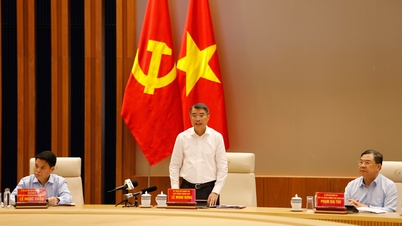
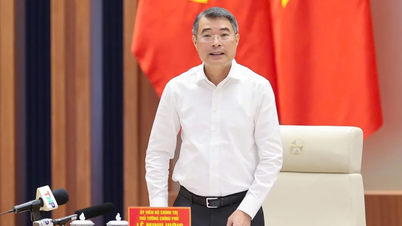
Speaking during a group discussion on socio-economic issues and the state budget at the first session of the 16th National Assembly, Prime Minister Le Minh Hung also emphasized the requirement that growth must be accompanied by macroeconomic stability and control of the major balances of the economy.
Emphasizing that one of the most important aspects of institutional improvement is the reassessment of specific policy mechanisms that have proven effective in practice, and their consistent application to avoid inconsistencies in legal regulations, the Prime Minister requested a reduction in administrative procedures and business conditions, both in terms of time and compliance costs. "This is something that can be done immediately and will support the business community and the people, build trust in policy mechanisms, and promote investment, production, and business activities," the Prime Minister stressed.
Source: https://hanoimoi.vn/thuc-day-cac-dong-luc-tang-truong-745079.html



















![[Photo] Reception to welcome General Secretary and President To Lam and his wife on their State visit to the Philippines](https://vphoto.vietnam.vn/thumb/1200x675/vietnam/resource/IMAGE/2026/06/01/1780295488620_vna-potal-chieu-dai-chao-mung-tong-bi-thu-chu-tich-nuoc-to-lam-va-phu-nhan-tham-cap-nha-nuoc-toi-philippines-8798060-7855-jpg.webp)

























































Comment (0)