

| What does the General Department of Customs say about the import of crayfish? Ho Chi Minh City Customs strengthens control over crayfish. |
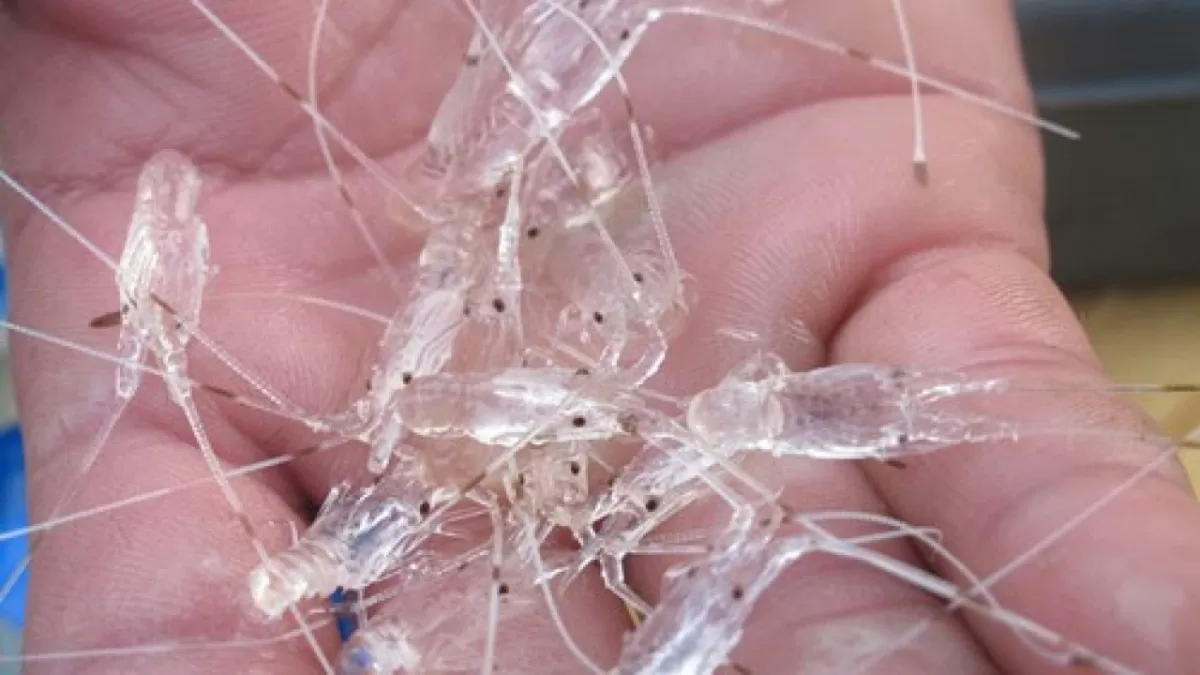 |
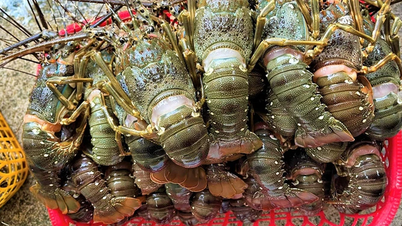
| The smuggling and illegal transportation of lobsters has shown signs of increasing recently. (Photo: biowish.vn) |
The Anti-Smuggling Investigation Department (General Department of Customs) issued document No. 809/ĐTCBL-P2, dated September 24th, regarding strengthening the fight against, prevention, and handling of the smuggling of lobster larvae to the Customs Departments of provinces and cities.
Previously, the Ministry of Agriculture and Rural Development issued document No. 7088/BNN-TY regarding the increase in smuggling and illegal transportation of lobster larvae from abroad into Vietnam in recent times, leading to a high risk of disease transmission.
Based on information gathering and situation assessment, the Anti-Smuggling Investigation Department concluded that the main reason for the increase in smuggling is that lobster must meet strict requirements regarding quality, origin, and quarantine upon import. In addition, this is a high-value item with high consumer demand, small size, and ease of concealment and transportation, making it a target for smugglers.
Information gathered indicates that smuggled lobster juveniles mainly originate from the Philippines and Indonesia, transiting through several countries before being transported to Vietnam. Specifically, via air routes, lobster juveniles transit through Singapore and are then smuggled through Noi Bai, Da Nang , and Tan Son Nhat international airports as luggage or concealed within imported goods. By land, with a focus on border crossings with Cambodia (Hoa Lu, Ha Tien, Binh Hiep, etc.), lobster juveniles are hidden in luggage, goods, or smuggled into Vietnam through border residents and unofficial routes, then transported in small refrigerated trucks.
To promptly prevent and strictly handle acts of smuggling and illegal transportation of lobster larvae into our country, the Anti-Smuggling Investigation Department requests the Customs Departments of provinces and cities to direct customs control forces to take the lead and coordinate with functional forces in their areas to strengthen information gathering and situation monitoring at key routes and areas, especially air routes, border gates, trails, and open areas in border regions, in order to detect, prevent, arrest, and handle according to the law the acts of smuggling and illegal transportation of lobster larvae.
The Anti-Smuggling Investigation Department requests that the Customs Departments of provinces and cities seriously cooperate in implementing the above tasks.










































































Comment (0)