

Knowing you had two days off to spend the weekend in my hometown, I planned a trip: one day to visit the mangrove forest, and one day to visit the Melaleuca forest – two unique ecosystems of Ca Mau that can't be found anywhere else.
Excitedly sharing information about the places to visit, the activities to experience, and planning to prioritize a trip to the mangrove forest (i.e., Ca Mau Cape) on the first day, my friend objected. He said that after driving over 300 kilometers overnight from Saigon to Ca Mau, another 100 kilometers to Ca Mau Cape would be exhausting! He added that the main purpose was for friends to meet up, have fun, go somewhere nearby to relax, and enjoy some of Ca Mau's famous dishes – that would be enough.
It was a bit disappointing, but I still insisted: going all the way to Ca Mau, staying for two days, and not visiting the southernmost point of the country, standing at the national coordinate marker and taking a few photos to show off at the "end of the bridge" would be a real shame!
Hearing you say, "Let's figure it out when we get down there," I was secretly relieved.
On the first day, they agreed to go somewhere nearby and chose Da Bac Island, then stop by an eco -tourism spot in the mangrove forest.
After a journey of about 50 kilometers, we were captivated by the lush green gardens and expansive fields; we had finally arrived. Stepping onto this "sparkling green gem," feeling the sea breeze, and breathing in the fresh air, everyone's face was filled with exhilaration. Smooth, worn rocks, emerging from the sea, piled upon each other, forming mounds of varying sizes and shapes, woven together into fascinating legends of fairy hands, fairy courtyards, and fairy wells. Ancient trees, their roots intertwined with the rocks, remained steadfast, reaching towards the pristine vegetation despite enduring countless storms, creating a verdant patch amidst the sea, sky, and clouds. The waves at the foot of the rock roared, their white foam splashing. From afar, it truly was a "sparkling green gem," as my friend had described. Nature, throughout eternity, remains a masterful, wonderful, and mysterious artist!

Many beautiful sights at Da Bac Island captivate tourists.
At midday, neither sunny nor rainy, relaxing on the rocks, listening to the rustling of the trees and the murmuring of the waves, as if telling some unending story of nature's millennia, is truly delightful. A friend once said that this place is ideal for purifying the soul, washing away the worries and busyness of the past. It's even considered a healing balm for those… heartbroken.
There wasn't enough time to climb to the summit of the island, where there's the Fairy Courtyard, the Fairy Well, and the site commemorating the CM12 victory... to explore, to gaze at the vast sky and sea, to see the western sea dike with its endless green stretches, to appreciate the unique nature bestowed upon this land. It's a pity. I once shared my dream with friends: if a seawall could be built from east to west, it would not only prevent erosion but also connect and allow tourists to fully explore the unique features of the forest, the sea, the land, and the people of this land with three sides bordered by the sea – a truly special and unique feature of the country. My friend smiled wryly: "Keep dreaming, and one day it will happen."
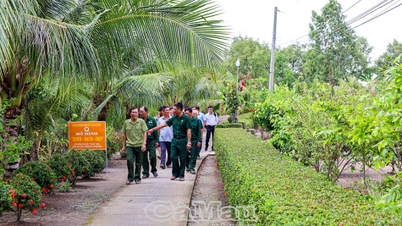
For our trip, I chose to visit the Muoi Ngọt Tourist Area, a popular spot for exploring the mangrove forest. You'll have new experiences, from visiting the mangrove forest and enjoying local cuisine to trying your hand at setting up and inspecting your beehives; especially seeing beehives up close and tasting young bees. All the activities were new and exciting for you.
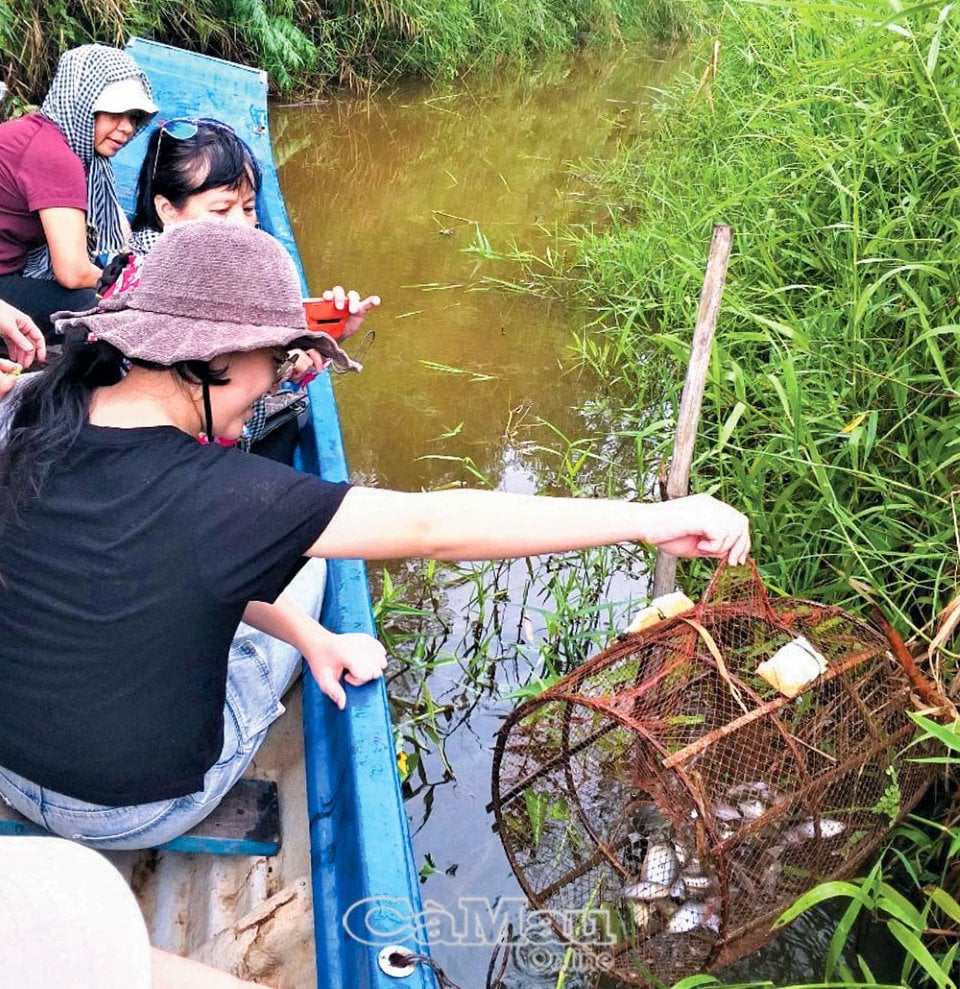
Many experiential activities at the Muoi Ngọt Tourist Area attract visitors.
Unfortunately, the beehive that was recognized as the largest in Vietnam (2.2 m long, 1 m wide, weighing 43 kg, containing about 15 liters of honey) no longer exists because it could not be preserved. However, you can still see beehives nearly 1 m long, containing 4-5 liters of honey, in the mangrove forest.
While in other places honey is harvested naturally from trees or produced through beekeeping, in U Minh, harvesting natural honey is achieved through a unique technique called "bee-keeping on trellises." The invention of the trellises themselves, and the method of their placement, is a long and complex story in itself.
Bees that collect nectar from melaleuca flowers and build their nests naturally on pre-strung rafters produce some of the finest honey in the country. The craft of beekeeping on rafters has also been recognized as a National Intangible Cultural Heritage – a source of pride for Ca Mau province.
It was a tiring day, but so much fun!
On the second day, you'll be ready to explore Ca Mau Peninsula.
As the car crossed the Năm Căn bridge, the visitors were delighted to be greeted by rows of mangrove trees stretching as far as the eye could see. The mangroves extended endlessly for half a hundred kilometers, all the way down to the southernmost tip of the peninsula. The sight of locals setting traps, and houses nestled amidst the vast forest, created a sense of wonder, curiosity, and delight for the visitors.
The Ca Mau Cape Park is now beautifully re-planned and rebuilt. That's the comment of a friend in our group who visited once 10 years ago. I told him that the provincial and local leaders, as well as the cultural sector, have been very dedicated to developing tourism according to the unique characteristics of this region over the years.
My friend in the group picked up mangrove fruits, examined them, and was delighted when I told him that when the fruits ripen, they fall upright and stick in the mud. That's how the mangrove forest thrives… Then he reflected: If Ca Mau loses its mangrove forests, it will lose all meaning.
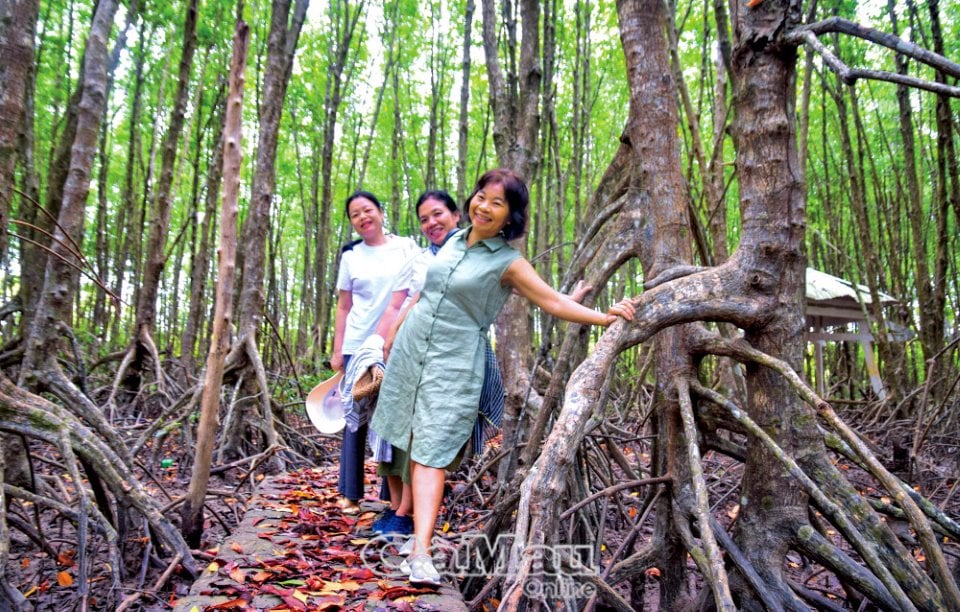
Tourists enjoy taking pictures in the mangrove forest.
I spent so much time taking pictures in the ancient mangrove forest with its many interestingly shaped mangrove trees, checking in at the coordinate marker and the ship's bow symbol that I only had time to quickly glance at the remaining spots.
We had our meals at a local's house, a kind of eco-tourism experience. You also get the added experience of riding a motorboat on the river. The hosts were open and friendly, and the food was delicious – that's what our guests said. And especially, the steamed crab with roe was a hit with them, leaving them wanting more.
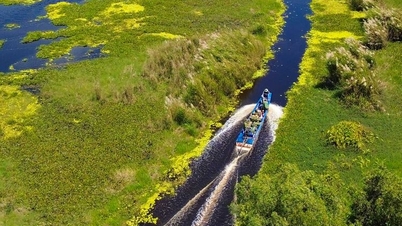
Time was running short, and we couldn't take you to the top of the Hanoi Flagpole at Ca Mau Cape to get a panoramic view of the sea and forest at the southernmost tip of the country, with the "boat's bow" cutting through the waves as poet Xuan Dieu metaphorically described it; to clearly see the East Sea to the left and the West Sea to the right, the only place in the country where you can observe the sun rising and setting from the sea. We couldn't take you through the forest by small boat or canoe to the mudflats and visit the clam beds stretching for tens of kilometers, participate in catching and preparing the special Ca Mau clams yourself.
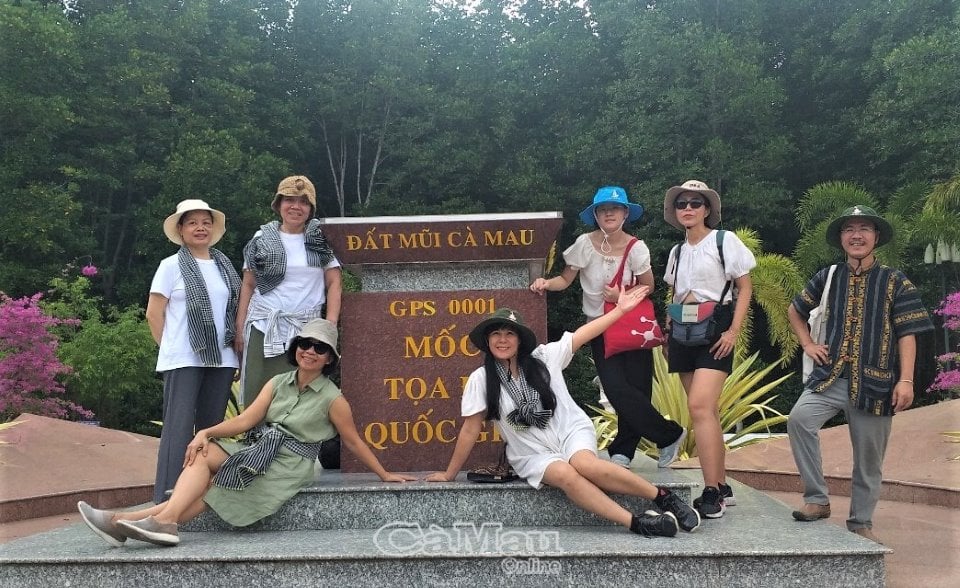
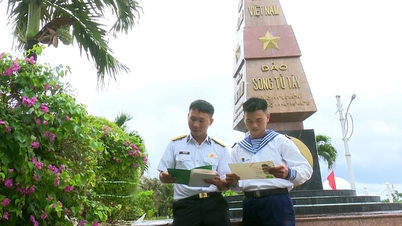
Tourists enthusiastically "mark" their destination at the National Coordinate Marker.
However, you'll still feel happy because you'll have many experiences. The host is happy because the guests are happy.
We parted ways without making any promises, but I secretly vowed to invite you all to visit again when Ca Mau has more attractions./.
Visit Page
Source: https://baocamau.vn/trai-nghiem-ca-mau-a28950.html
![[Photo] General Secretary and President To Lam presides over the meeting to approve the draft report on the results of the second inspection by the Politburo of the Standing Committee of the Hanoi City Party Committee.](https://vphoto.vietnam.vn/thumb/1200x675/vietnam/resource/IMAGE/2026/05/26/1779789811432_a2-bnd-4430-9620-jpg.webp)







































































Comment (0)