

Centuries-old communal houses
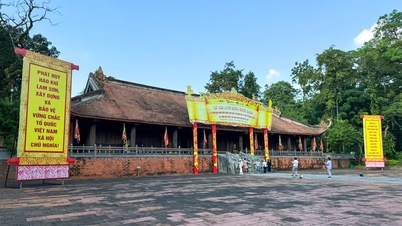
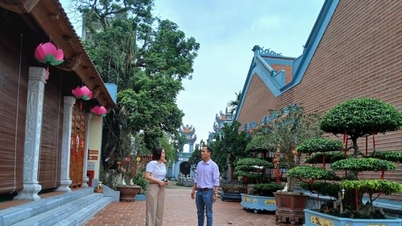
The Long Dien communal temple (Long Dien commune) is nestled amidst the lush greenery of centuries-old trees. The temple sits atop a high, turtle-shell-shaped hill, formerly known as Go Don. The temple gate opens towards the breezy Bau Thanh area, from where visitors can enjoy views of verdant rice fields, orchards, and the peaceful, prosperous countryside.
According to the elders, Long Dien communal house was built in 1845. After more than 180 years, Long Dien communal house still retains its ancient, solemn beauty. The architecture of Long Dien communal house includes a gate, a performance hall, a main hall, a rear building… In addition, there is a shrine dedicated to the Ancestor, a kitchen, and a shrine dedicated to the God of Agriculture.
Among the dozens of village communal houses still preserved in the eastern part of Ho Chi Minh City, Long Huong communal house is the oldest, nearly 300 years old. In the early days of the village, the people of Long Huong faced many hardships and difficulties stemming from threats from nature, wild animals, and diseases… Therefore, the people of Long Huong always relied on each other, forming religious customs. The Long Huong communal house was established from this aspiration. In 1852, the communal house was granted divine status by Emperor Tu Duc.
Tourism potential
According to architect Nguyen Duc Lap, Chairman of the Ba Ria - Vung Tau Architects Association, the architecture of village communal houses in the eastern part of Ho Chi Minh City is similar to that of communal houses in Southern Vietnam. These houses are usually built on high, dry mounds of land with beautiful locations, near markets, and with convenient transportation. Furthermore, being a coastal area, many communal houses are also built near rivers or the sea.
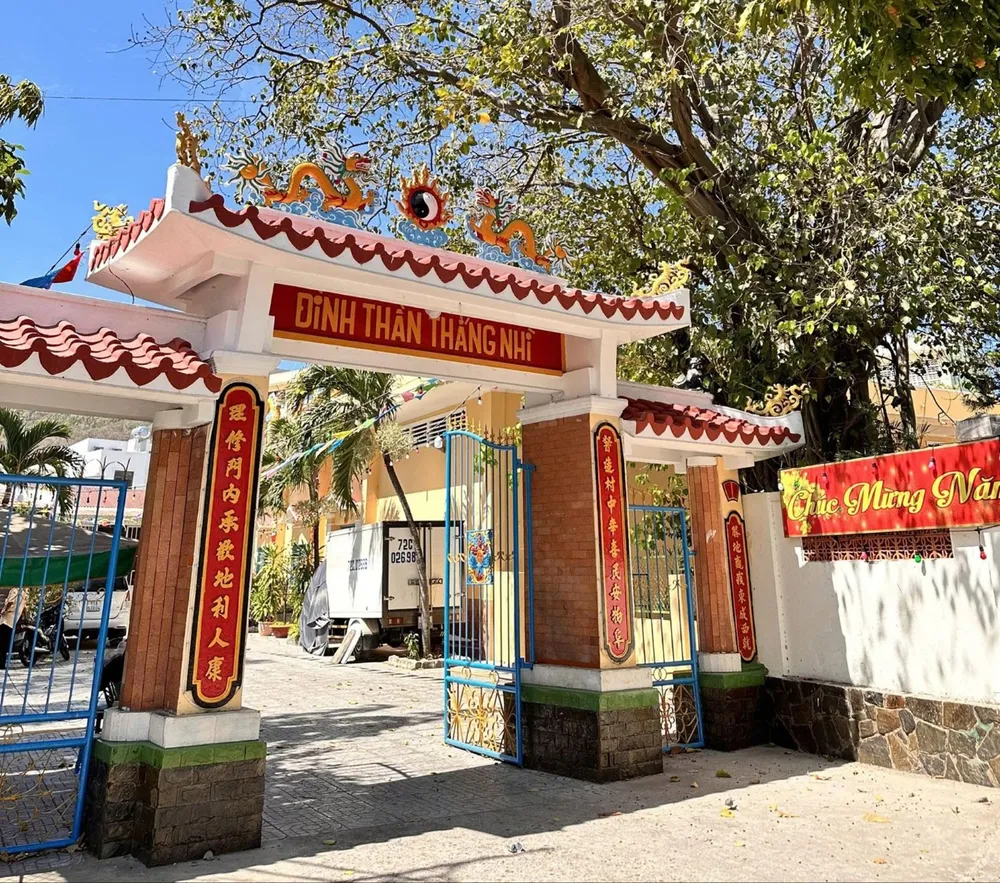
According to statistics from the Ba Ria - Vung Tau Museum and Library, there used to be dozens of communal houses in the eastern part of Ho Chi Minh City, but due to natural disasters and war damage, only about 20 remain, preserving and promoting their cultural value. These communal houses have become sacred temples where people hold traditional festivals, demonstrating the principle of "drinking water, remembering the source," commemorating the contributions of ancestors, forefathers, and heroic martyrs who sacrificed their lives.
In addition, village communal houses are also being exploited for tourism development. Today, many village communal houses such as Thang Tam communal house, Thang Nhi communal house, Long Huong communal house, Long Dien communal house, etc., are included in tourist tours and are popular check-in destinations for many young people.
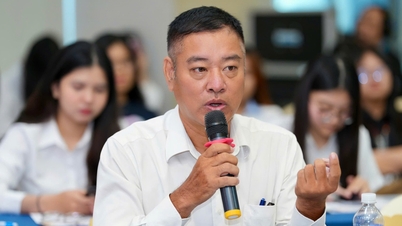
According to Mr. Pham Ngoc Hai, Vice President of the Ho Chi Minh City Tourism Association, in recent years, tourism and travel agencies have connected with local communities to allow tourists visiting coastal communes and wards of Ho Chi Minh City to admire the exquisite features of ancient communal houses and traditional Vietnamese villages.
The eastern part of Ho Chi Minh City has welcomed many generations of residents, transforming villages into urban areas, but the imprint of the pioneering era remains, most clearly evident in the village communal house. The communal house serves not only as a place for performing rituals and worshipping the tutelary deity, benevolent figures, and historical personalities, but also as a meeting place to resolve internal village issues, organize festivals, and hold cultural and artistic activities.
Source: https://www.sggp.org.vn/tram-nam-ve-dep-dinh-lang-post844090.html























































Comment (0)