Poor man's food

The fish used for making bait are raised in the Nung fields using traditional methods, feeding on natural food sources.
"Rice from Dong A, fish from Dong Nung," a saying passed down through generations, is still proudly recalled by the people living around Tam Nong and Lam Thao districts, highlighting the bounty of their homeland. Blessed by nature, with the Red River depositing fertile alluvial soil annually, the rice grown in Dong A (Ban Nguyen commune) produces grains that are firmer and more fragrant than those from other fields.
A bowl of freshly cooked rice, with its thick, honey-like consistency, releases an intoxicating aroma that even passersby can smell, making them crave more. Across the Red River from Dong A is Dong Nung, now part of Tam Nong commune. At one time, this vast rice field, nearly 400 hectares in size, was the primary source of livelihood for the local inhabitants.
The low-lying, marshy land of Chiêm, specifically the Đồng Nung area, can only be cultivated during the spring crop season; by the summer crop, the fields are completely flooded. However, floodwaters from the Red River, flowing in through the sluice gates, bring with them valuable aquatic resources. There are all kinds of shrimp and fish, from perch, crucian carp, catfish, and tilapia to snakehead and even turtles.
The people around the fields are accustomed to a routine where, after the spring harvest, they put away their plows and harrows and prepare their fishing gear, waiting for the tide to come in so they can catch aquatic products. From small boats, nets, and fishing rods to traps and baskets... anyone with the strength would go out to the fields day and night to catch fish.
In those days, trade was limited, and every household was struggling financially, so the fish they caught were mainly for family meals, as few people would buy them at the market. Since there was so much fish that they couldn't eat it all, they had to find ways to process it for long-term use, saving it for the cold winter months when food was scarce. The fishy smell and salty taste would trick the palate, adding flavor to a simple meal.
The hardworking and skillful women of the farming family, through the hands of their mothers and sisters, with just a little salt, bean flour, corn flour, and spices gathered from around the garden, transformed the fish and shrimp they caught—more than they could eat—into jars and containers of fermented fish sauce that could be stored for a whole year. Each time they opened them, the whole family would exclaim in delight at the alluring aroma and delicious taste.
To this day, the people of Tam Nong commune still fondly remember the traditional fermented fish paste, a dish currently only made by the family of Mr. Nguyen Manh Thang – Director of Thuong Nong Agricultural Cooperative. According to him, the main ingredients are dragonfish (including young fish the size of a chopstick tip), small shrimp, white salt, roasted corn flour, and fermented rice wine lees... mixed in a specific ratio and left for about half a year for fermentation to mature before it can be used.
In the past, fermented fish sauce was stored in glass bottles and jars in a cool, dark place and could be used for several years. It was a special dish reserved only for honored guests or important occasions, a dipping sauce with a flavor that "you'll remember for a lifetime after just one taste."
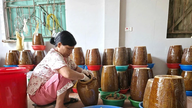


Unlike fermented fish paste, which requires simple ingredients and elaborate preparation methods, fermented fish from Nung fields is a "national" dish enjoyed by every household living around the low-lying Chiêm plains. Daughters learn from their mothers, and from generation to generation, every family can make fermented fish. Of course, the flavor varies depending on skill and personal recipes, but fermented fish from Nung fields still boasts a fragrant and delicious taste that is renowned throughout the region...
Country brand
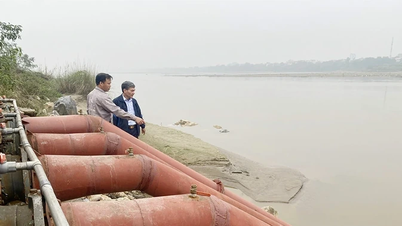
The delicious and distinctive flavor of fermented fish from Dong Nung is primarily due to the quality of the raw materials. Today, Dong Nung only covers about 100 hectares, but it is surrounded by a system of satellite ponds and regulating systems, minimizing the impact of industrialization and domestic wastewater.
The water in Dong Nung has a stable pH of 6-7, which is very good for the growth of aquatic species. During the flood season, the entire field is covered in water. Shrimp and fish mainly live on natural food sources, resulting in significantly better quality and taste.
For many years, the Nung rice paddy has been leased to households for aquaculture during the flood season. Mr. Dang Xuan Huy (Zone 10), who has leased 40 hectares of the Nung rice paddy surface since 2005, shared: “After the people harvest the spring rice crop and there is enough water, my family proceeds to release fish. Each year I release about 10 tons of various fish fry: carp, black carp, grass carp, silver carp, tilapia, crucian carp... At the end of the year, after returning the land to the villagers for cultivation, we also harvest 20-25 tons of commercial fish.”
For many years, my family has been raising fish using traditional methods. The fish grow mainly on natural food sources, so their quality is far superior to fish from other ponds and lakes. That's why Nung's freshwater fish are so well-known in the market; traders buy them up as soon as they're caught. People even place orders months in advance before we start catching them..."
These high-quality raw materials, combined with techniques and experience passed down through generations, have culminated in the renowned fermented fish dish, which the Thuong Nong Agricultural Cooperative has elevated to a new level, transforming it into a marketable product that provides a stable source of income for many households.
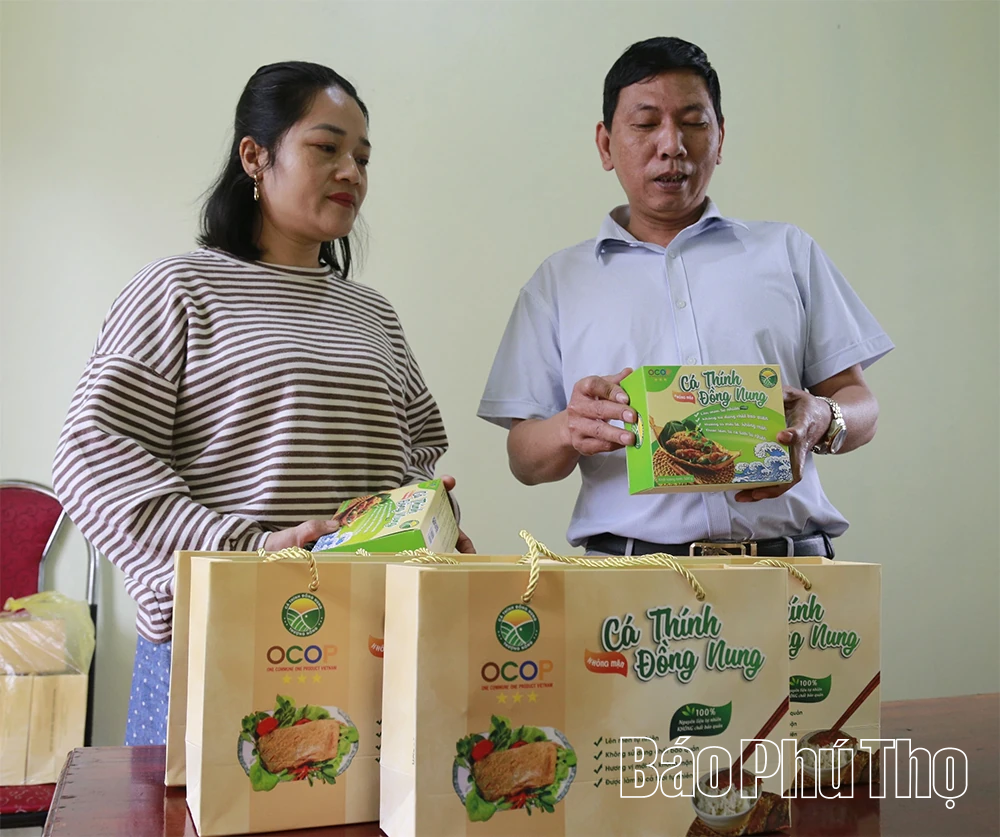
Mr. Nguyen Manh Thang - Director of Thuong Nong Agricultural Cooperative - plans to develop the Dong Nung fermented fish brand along with some traditional products of his hometown such as soy sauce, fermented fish paste, etc.
Mr. Nguyen Manh Thang, Director of Thuong Nong Agricultural Cooperative, said: “Born and raised in Dong Nung, closely associated with rice, shrimp, and fish farming in my homeland, I have always wanted to introduce the local specialties to a wider audience and create high - value products. In 2017, I was fortunate to take on the position of Director of Thuong Nong Agricultural Cooperative and established a fish processing team. At the same time, the One Commune One Product (OCOP) program was also implemented. With encouragement and support from the local government, Dong Nung fish met the criteria and was recognized as a 3-star OCOP product in 2022, gradually establishing its brand and expanding its reach in the market...”
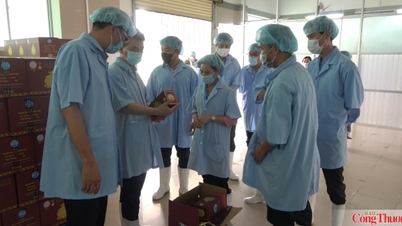
Since the food is consumed directly, the Đồng Nung fermented fish must meet food safety and hygiene standards and the quality of its raw materials. Ms. Vũ Thị Hồng Lê, a member of the cooperative responsible for supervising the processing of fermented fish, affirmed: “We strictly and rigorously monitor all stages from purchasing raw materials, gutting the fish, salting, and applying the fermented fish paste. Any member who does not strictly adhere to the regulations will have their product rejected. The fish used for fermentation must be farmed in Đồng Nung, and the processing formula is standardized to ensure consistency and the highest quality for the product...”.


Conquering the market with product quality, the Dong Nung fermented fish processing group of Thuong Nong Agricultural Cooperative now has 10 members, supplying approximately 3 tons of finished fermented fish products to the market each year. From a simple dish of the people in the lowland rice-growing region, Dong Nung fermented fish has now become a specialty with its own brand of Tam Nong.
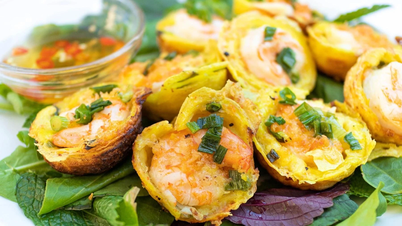
The golden-brown fish, infused with the aroma of roasted cornmeal, the rich flavor of the fish combined with a touch of saltiness, makes a simple country meal even more delicious. Especially on cold winter days, a plate of grilled or fried fish with roasted cornmeal served with a bowl of hot rice seems to encapsulate the essence of the Northern Vietnamese countryside.
Amidst the hustle and bustle of modern life, where many traditional dishes are gradually disappearing, fermented fish from Nung fields is still preserved and developed as a part of the culinary memories of the homeland. More than just a dish, it's a story of the diligence and creativity of the people of the Tam Nong lowland region – where simple produce from the fields has been transformed into a specialty imbued with the soul of the countryside.
Cam Ninh
Source: https://baophutho.vn/tran-pham-dong-nung-249813.htm