

 |
Samsung Galaxy S26 Ultra. Photo: The Verge . |
The Galaxy S26 series features numerous upgrades from Samsung, including new tools in the Galaxy AI software suite, anti-peeping screen technology, and improved camera algorithms.
Despite its new features, the S26 still has some controversial details. Besides the price increase due to market fluctuations, other factors include the unchanged battery capacity, the omission of the S Pen, and an aluminum frame instead of titanium on the S26 Ultra...
Price increase due to memory shortage.
The Galaxy S26 is inevitably facing a price increase. A Samsung representative confirmed that the primary reason stems from a global RAM shortage. Speaking to The Verge , Won-Joon Choi, Director of Mobile Operations at Samsung, acknowledged that the memory shortage largely led to the price hike.
Specifically, the cost of materials for the Galaxy S26 and S26+ increased by approximately $100 compared to their predecessors. Tariffs also played a part, but memory remains the biggest factor.
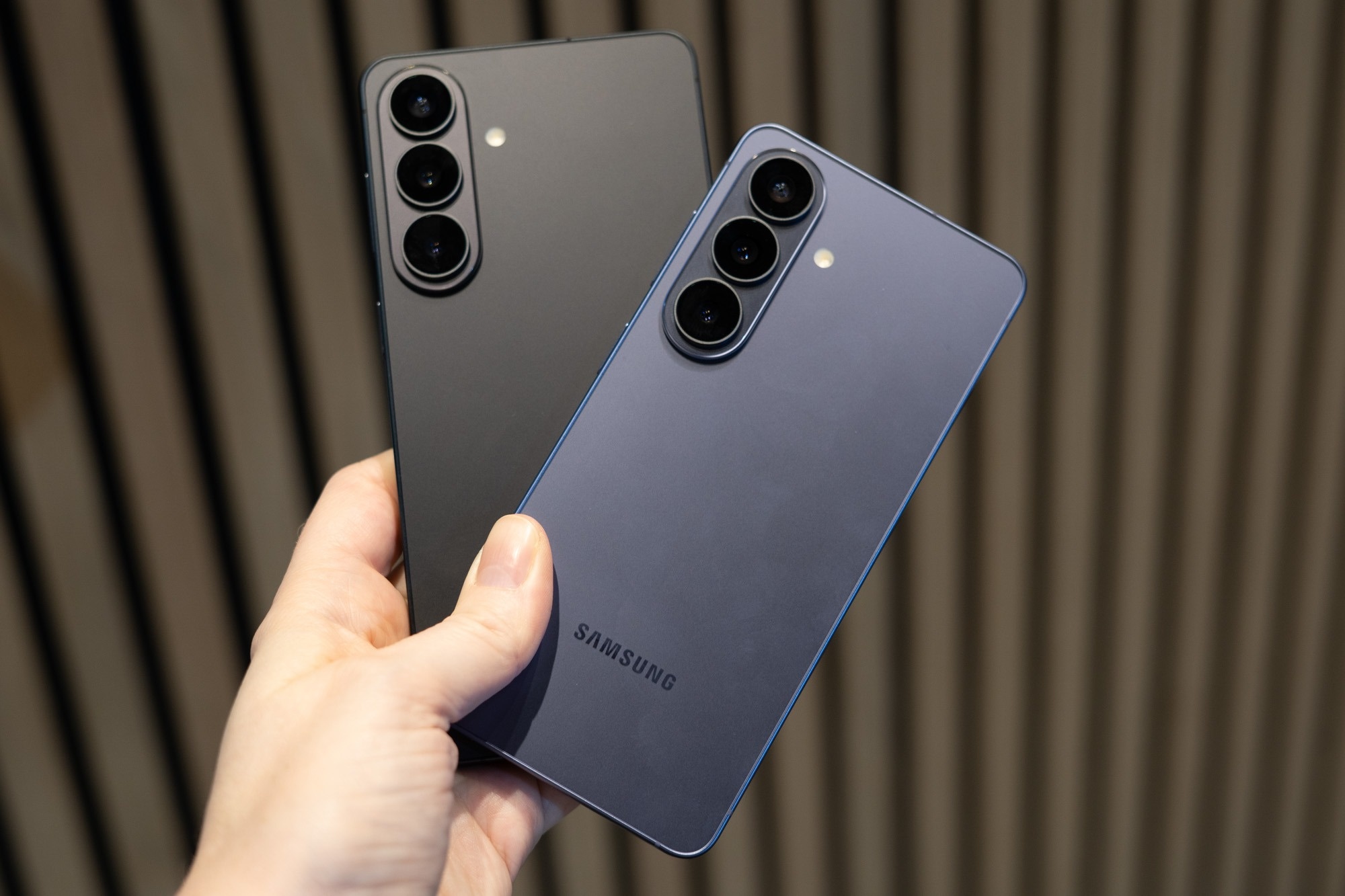 |
Galaxy S26 and S26+. Photo: The Verge . |
This year, the standard version of the Galaxy S26 has a minimum storage capacity of 256 GB, double the 128 GB of the S25. However, the S26's price of $900 is $40 higher than last year's 256 GB S25.
Samsung also increased the price of the S26 series in many other markets. The S26 Ultra version saw a price increase, but also included several upgrades, including a privacy-blocking display and the largest vapor chamber cooling system on a smartphone.
In its most recent quarterly financial report, Qualcomm, Samsung's chip manufacturing partner, warned that its mobile device business could experience a sharp decline due to memory shortages. The company believes that demand for AI industry components could determine the entire mobile market this year.
Analysts at IDC also forecast that the global smartphone market could decline by 12.9% in 2026, the largest drop in history.
"What we are witnessing is not a temporary shortage, but a massive wave originating from the memory supply chain, spreading throughout the entire consumer electronics industry," the IDC report emphasized.
There are still no magnets on the back.
The Galaxy S26 still doesn't have a magnetic ring on the back. On iPhones or Google Pixels, this system helps secure the device to charging docks, wireless power banks, or accessories like card wallets, phone rings, etc.
Won-Joon Choi stated that integrating magnets makes the phone thicker. This trade-off is unnecessary since many people add phone cases.
"Around 80-90% of users attach phone cases, and cases with integrated magnets are now very popular," a Samsung representative emphasized.
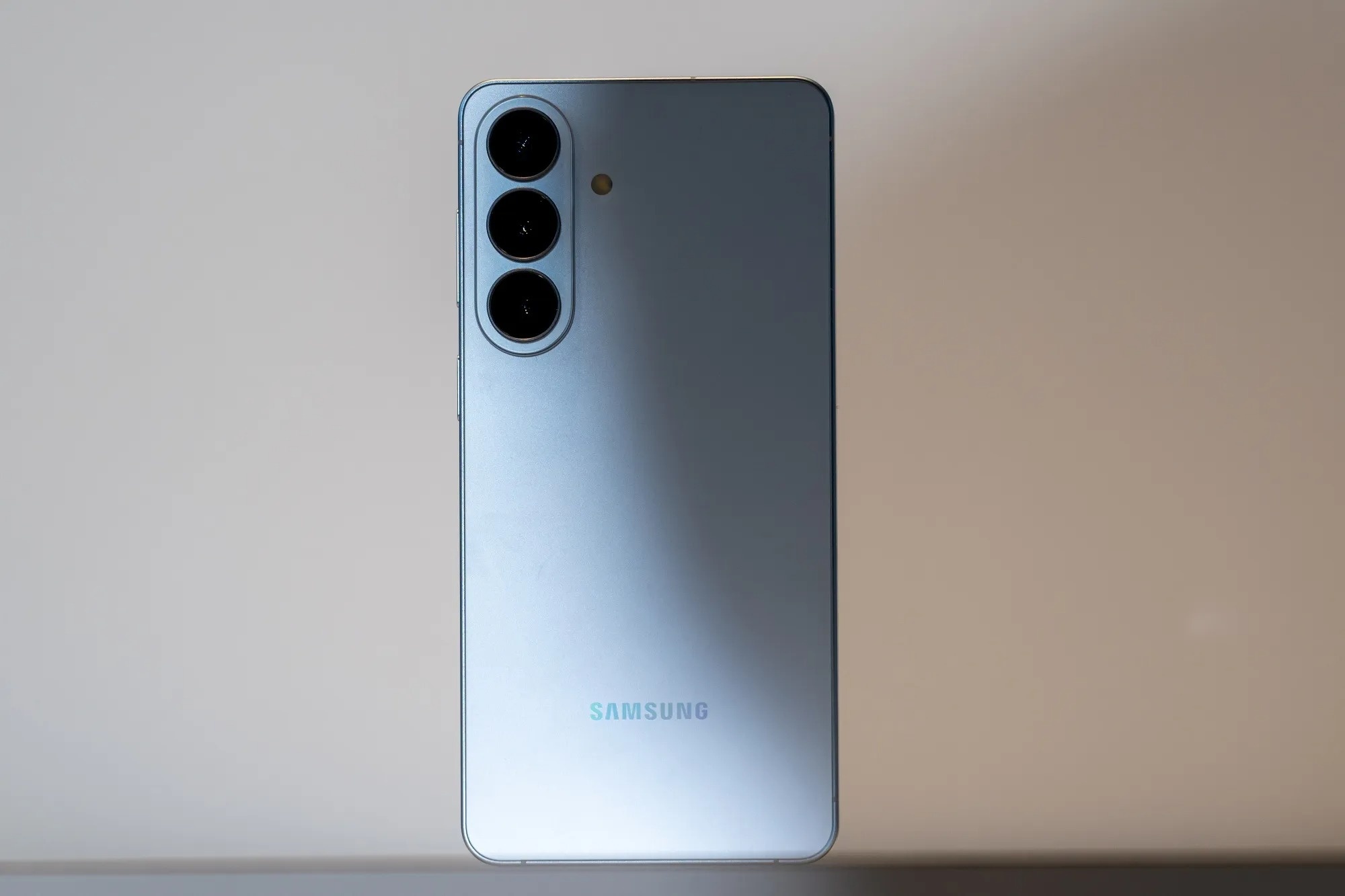 |
The back of the Galaxy S26+. Photo: Bloomberg . |
Choi suggested that the company prefers a different approach, using the extra thickness to increase battery capacity, or eliminating it entirely to make the device thinner. However, Samsung hasn't completely ruled out magnets.
"We are still researching to ensure that we don't have to sacrifice any internal components of the phone. Once we reach that goal, we will integrate magnets," Choi shared.
Of course, not everyone accepts this view. Sean Hollister, author from The Verge, argues that he would be willing to sacrifice thinness for magnets and a larger battery capacity.
Integrating an additional layer of magnets, similar to Apple's design, could help secure accessories better, rather than relying on the quality of the magnets provided by the case manufacturer.
The S Pen is lackluster.
The S Pen stylus has also disappointed some people. Last year, Samsung removed Bluetooth from the S Pen on the S25 Ultra, eliminating the remote control features using buttons or gestures.
With the Galaxy S26 Ultra, the S Pen hasn't received any new improvements, except for a design refinement to better fit the rounded frame.
Some rumors suggest that Samsung might remove the S Pen from future generations of the S Ultra. However, Choi reassured users by confirming that the accessory will still be included by the company.
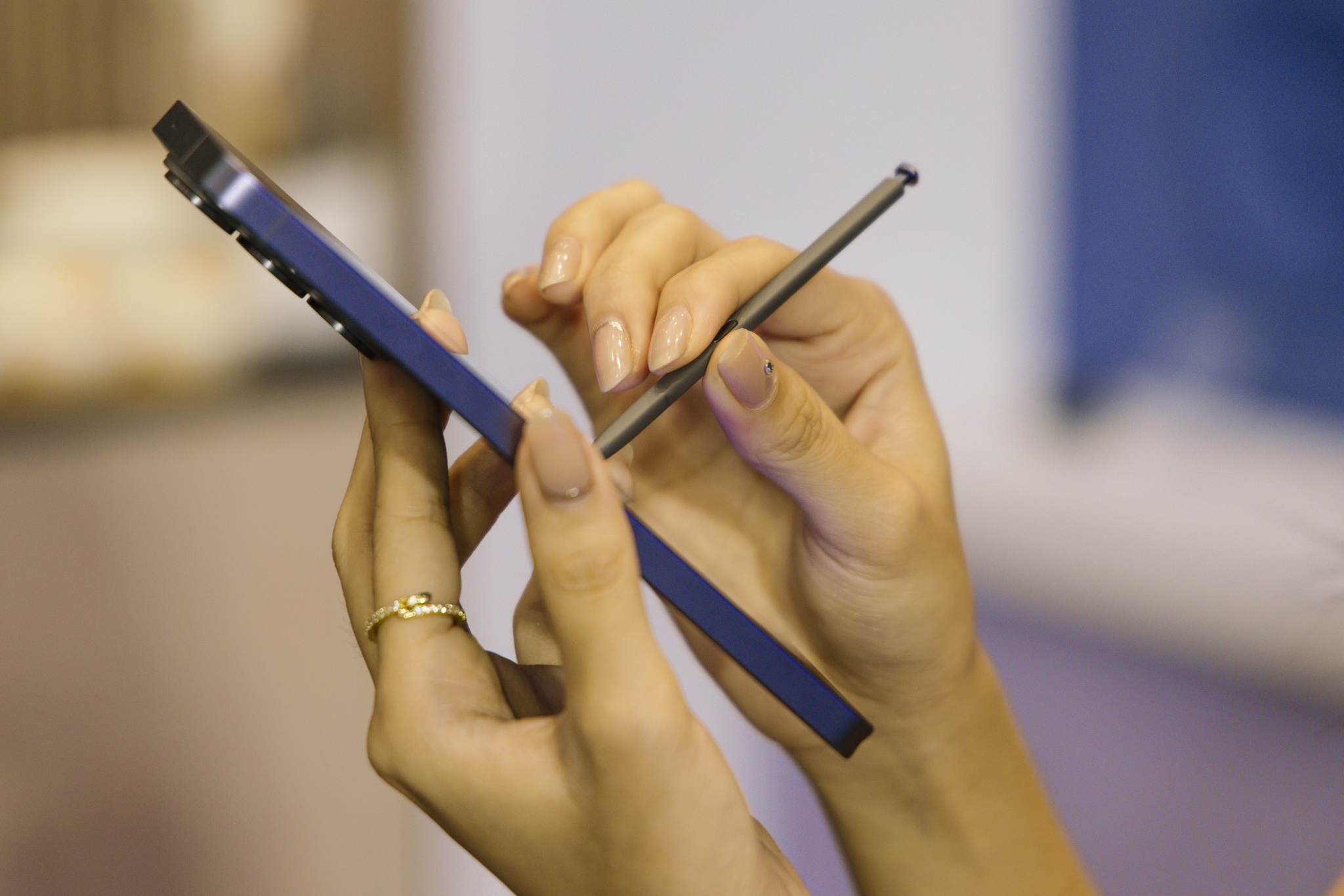 |
The S Pen on the Galaxy S26 Ultra. Photo: Phuong Lam . |
Speaking to Bloomberg , Choi said Samsung is developing a new version of the S Pen. This model uses new technology, requiring adjustments to the screen structure.
"We are researching more advanced technology for the S Pen to create a new screen structure, minimizing the drawbacks of using the pen. The S Pen remains one of our core technologies," Choi emphasized.
According to SamMobile , the company may adopt USI 2.0 for the S Pen. This is a common standard for stylus pens, helping to reduce conflicts with components such as Qi2 wireless charging.
No battery upgrade
Recently, Chinese smartphone manufacturers have been pushing silicon-carbon technology. Thanks to its higher energy density, silicon-carbon allows for significantly larger battery capacities without affecting the phone's size or thickness.
The S26 series boasts similar battery capacities to its predecessor. The S26 Ultra retains its familiar 5,000 mAh lithium-ion battery. The battery capacities of the other two models remain unchanged, at 4,300 mAh (S26) and 4,900 mAh (S26+) respectively.
Last year, Samsung announced it was developing silicon-carbon technology for smartphones. However, the Galaxy S26 still doesn't use this technology.
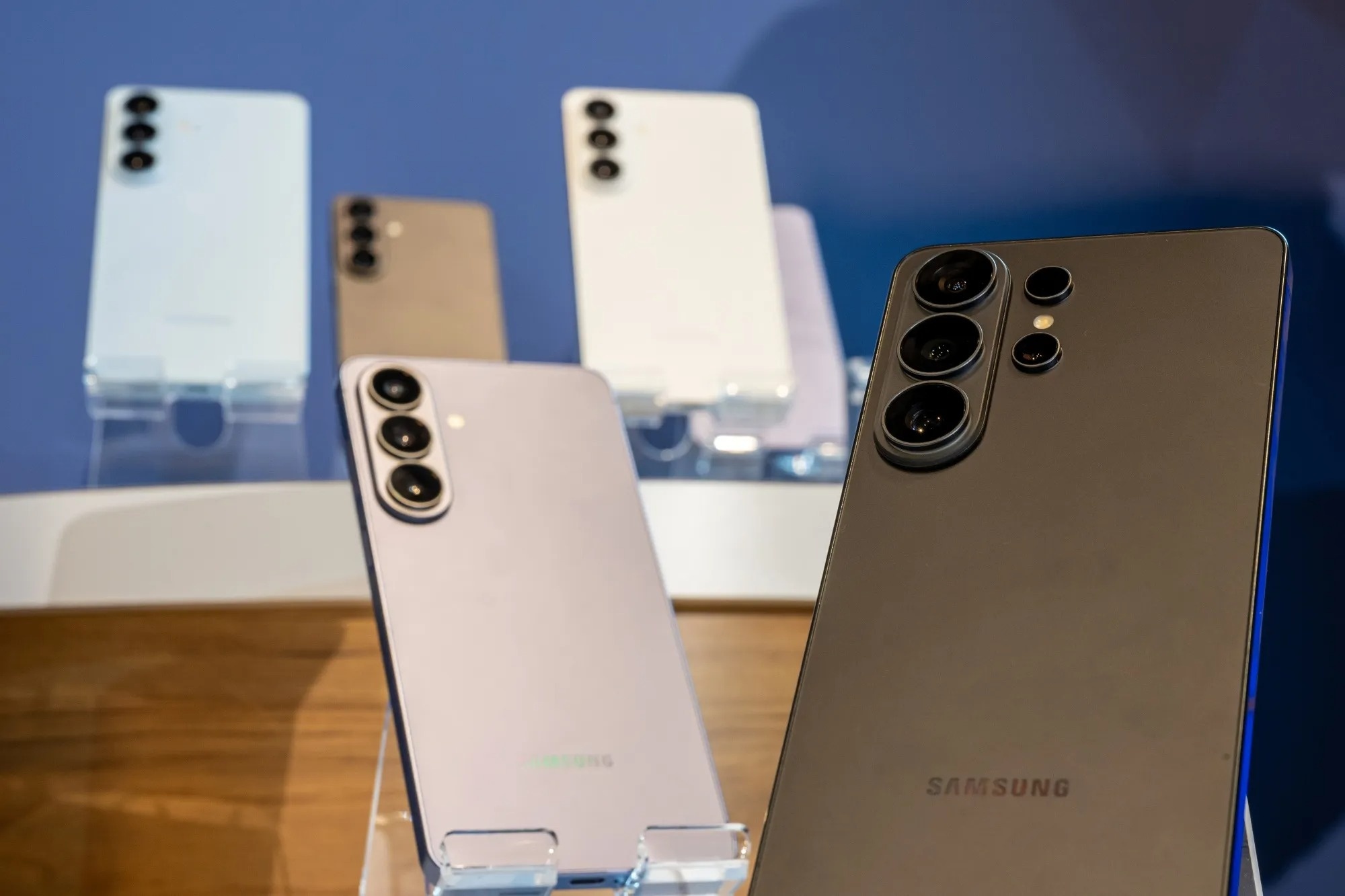 |
Galaxy S26 models. Photo: Bloomberg . |
SamMobile quoted Jeong Seung Moon, Vice President of Samsung, as saying that the company is still developing silicon-carbon batteries. The company will only equip its devices with them if the technology passes rigorous internal testing and demonstrates the ability to significantly improve the user experience.
In other words, current silicon-carbon technology does not meet Samsung's quality standards and does not offer a clear advantage in terms of user experience.
In fact, the South Korean company has experienced phone battery issues in the past, which has led them to raise their testing standards. Nevertheless, many reviews suggest that silicon-carbon technology significantly improves battery life on some Chinese smartphones.
Remove the titanium frame.
The Galaxy S26 Ultra also sparked controversy for using an aluminum frame instead of titanium. First introduced on the S25 Ultra, the titanium frame ensured durability while maintaining a luxurious feel and light weight. Prior to this, Apple also switched from a titanium to an aluminum frame on the iPhone 17 Pro.
Speaking to SamMobile , a Samsung representative stated that the choice of materials on each Galaxy device is based on the goal of balancing durability, comfort, and design intent.
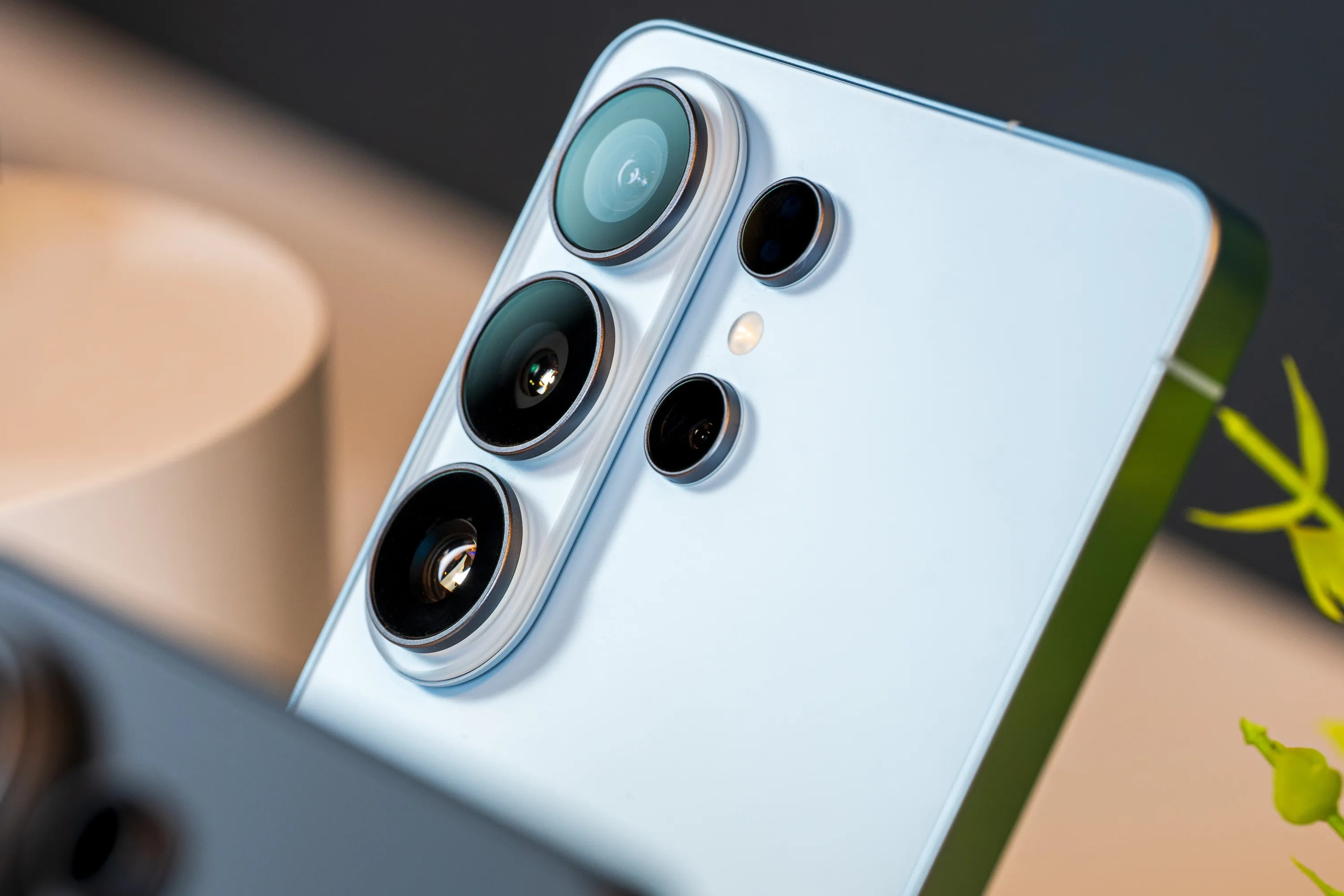 |
Galaxy S26 Ultra. Photo: Bloomberg . |
"With the Galaxy S26, we wanted to create the thinnest S Ultra ever, while still meeting the high standards of durability and stability that users expect."
"Armor Aluminum is the ideal material to deliver a thinner and lighter design without compromising the everyday durability of the Galaxy S26," the source said.
In other words, Samsung claims that aluminum is the best choice to balance durability, comfort, and a slim, lightweight design on the Galaxy S26 Ultra. However, SamMobile suggests that the real reason might be the higher cost and the fact that titanium has poorer heat dissipation capabilities compared to aluminum.
Source: https://znews.vn/tranh-cai-บน-galaxy-s26-post1631292.html
![[Image] Hanoi's urban life under the challenge of a "scorching hot" environment](https://vphoto.vietnam.vn/thumb/1200x675/vietnam/resource/IMAGE/2026/05/25/1779706979265_nang-nong-t5-2026-minh-duy-7-4636-jpg.webp)

![[Image] Close-up view of the interchange connecting the two expressways and Long Thanh Airport.](https://vphoto.vietnam.vn/thumb/1200x675/vietnam/resource/IMAGE/2026/05/25/1779703378210_ndo_br_z7863716673926-224453a31600126cce10622af6290afd-4549-jpg.webp)



























































































Comment (0)