

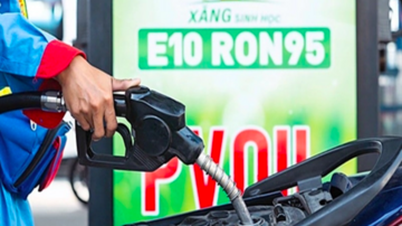
Without needing sophisticated technology, just a sufficiently long roadmap, a sufficiently low price, and the advantage of readily available agricultural products, Thailand has pulled far ahead of many countries on the biofuel map.
The car has been ready since 2008.
Unlike many countries that are still struggling with the initial steps, Thailand started the ethanol "game" very early.
E10 bioethanol was introduced to the Thai market in the early 2000s and was widely commercialized from 2004-2007. In 2007-2008, the Thai government implemented tax incentives and price reductions to encourage its use.
But the real turning point came in 2007, when E20 was officially introduced. At the time, many people thought that mixing up to 20% ethanol into gasoline was too ambitious.
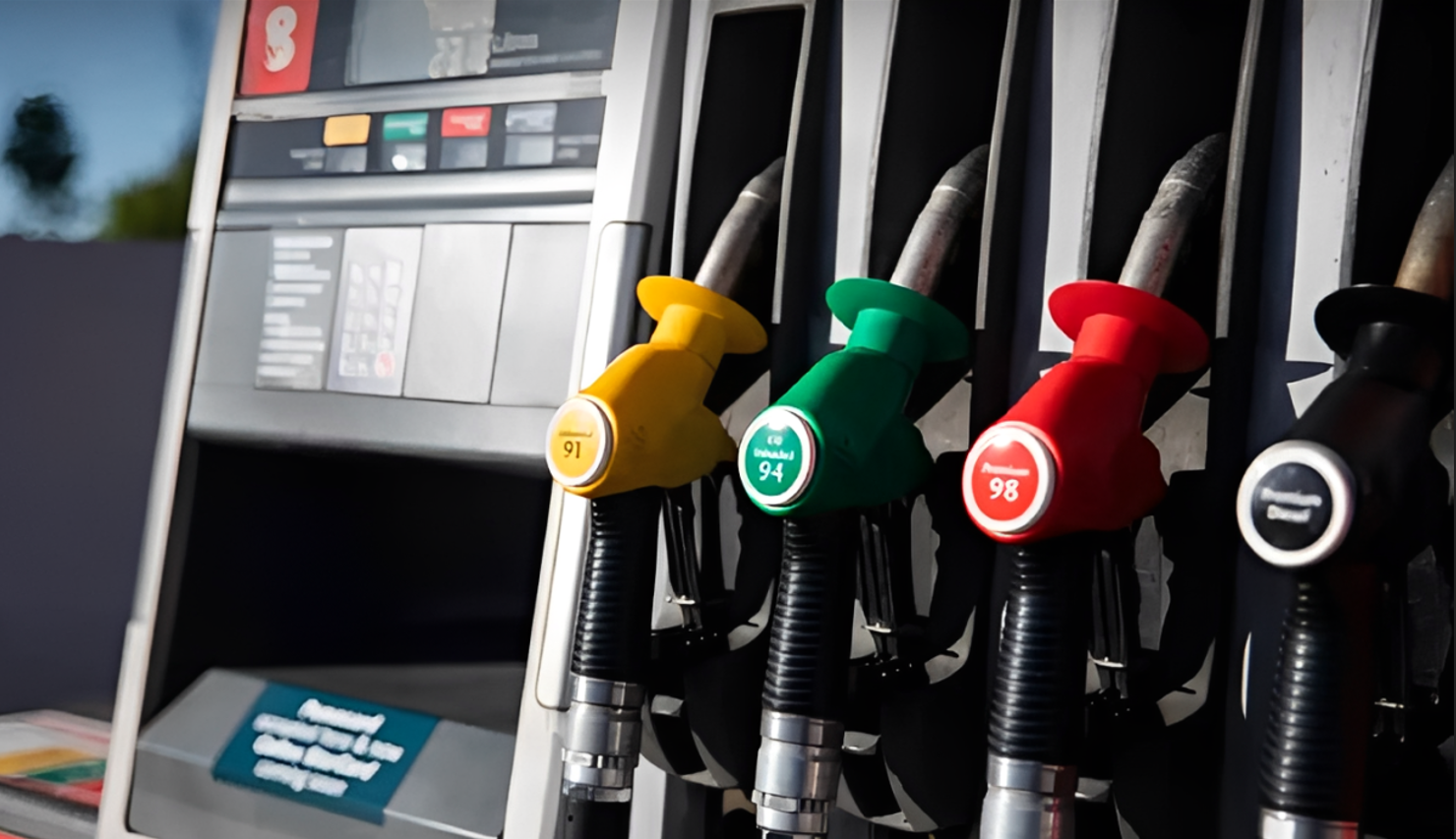
However, the Thai government had a different plan: instead of forcing it, they created a roadmap for the market to adapt on its own.
The smartest aspect of Bangkok's strategy is preparing the vehicle infrastructure before selling the fuel. Since 2008, the majority of passenger cars manufactured and assembled in Thailand have been designed to be fully compatible with E20.
This means that when the government decides to make the E20 the standard, people don't have to worry about replacing their cars or whether it will affect the engine, because the vehicle infrastructure has essentially been prepared in advance.
This is a long-term vision; instead of chasing after technology, Thailand has taken a step ahead.
Price boost: E20 is significantly cheaper than E10.
An important lesson from Thailand is how the country uses price as a tool to regulate behavior. The Thai government has created a very clear price differential between different types of fuel.
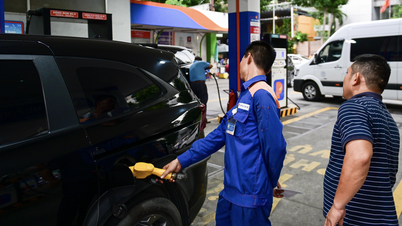
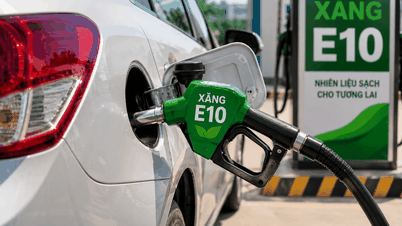
Currently, E20 is sold at a significantly lower price than E10 gasoline thanks to subsidies from the Petroleum Fund. The difference of about 3-4 baht per liter (equivalent to approximately 2,500-3,400 VND) makes it almost irresistible to consumers.
However, despite being subsidized to be cheaper than E10, E20 has not yet achieved the leading position as expected; in 2019, this fuel only accounted for about 20% of total gasoline consumption.
That is also the main reason why the Thai government must continue to push forward with its policy, aiming to make E20 the standard gasoline in the coming years.
Cassava and sugarcane: Advantages of readily available raw materials.
A major question always arises for any country wanting to develop ethanol: where will the raw materials come from without impacting food security?
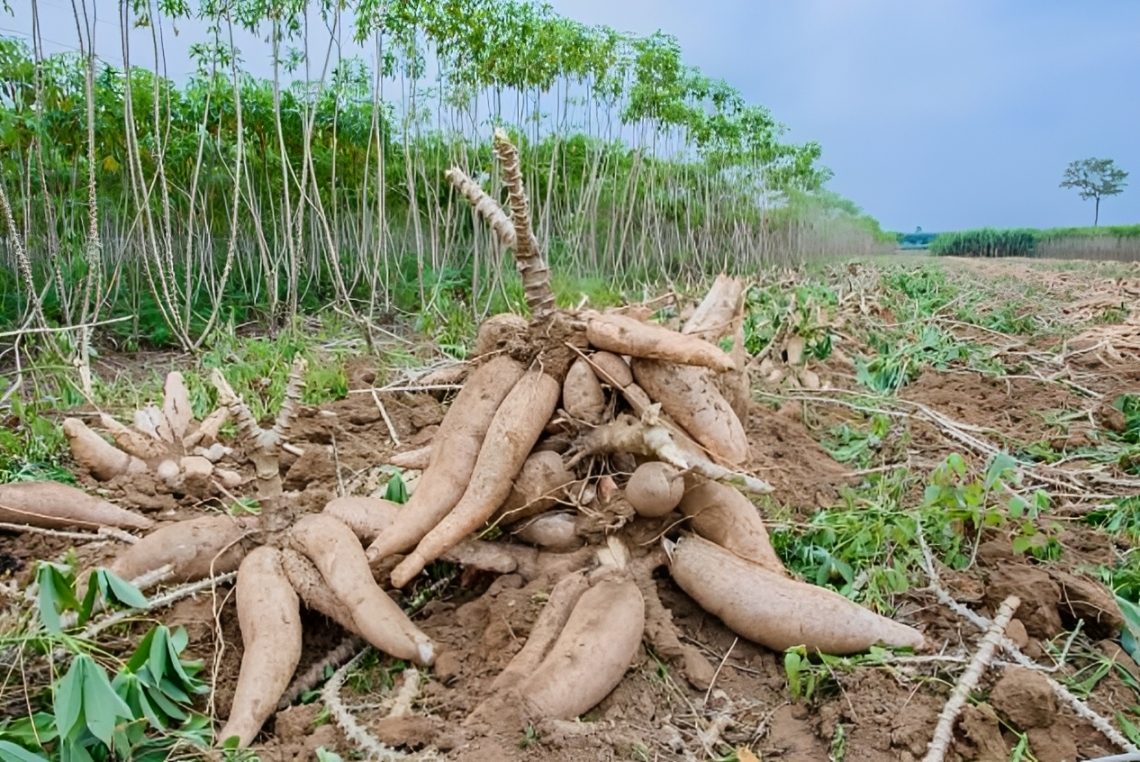
For Thailand, the answer lies in two strategic crops: sugarcane (especially molasses, a byproduct of the sugar industry) and cassava. Both are strong agricultural products of Thailand and do not directly compete with rice.
Thailand currently has a huge cassava production. According to the ASEAN Cassava Centre, approximately 9-10 million tons of cassava products are exported annually, worth 120 billion baht (approximately 96.7 trillion VND).
Since the 1970s, cassava has been known by the people of Thailand as the "poverty-escaping crop" due to its versatility. As the demand for green fuels increases, cassava is considered a primary raw material for ethanol production.
Furthermore, in the ethanol story in Thailand, E85 once held a special place. This gasoline blend, containing up to 85% ethanol, was considered the pinnacle of alternative fuels in Thailand, with import tax incentives for vehicles offered since 2008 to encourage the market.
In 2008, the government repeatedly offered incentives for E85 vehicles: reducing the excise tax from 30% to 22-25% depending on engine capacity, exempting import taxes on components for three years, and drastically reducing the ethanol gasoline fuel tax from over 3 baht (approximately 2,500 VND)/liter to almost 0 to bring down retail prices.
However, in early 2026, PTT's (Thailand's largest energy company) retail gasoline subsidiary announced it would stop selling E85 at its gas stations from February 2026, citing the Petroleum Fund's shift from a subsidy model to a fee-based model, resulting in the price of E85 being higher than E20.
Only 60,000 liters of E85 gasoline are sold each day, while Thailand's total gasoline demand is 30 million liters per day.
Another major energy company, Bangchak, continues to sell E85. However, this highlights a reality: excessively high ethanol content (85%) may not be a commercially sustainable path, even in a pioneering country like Thailand.
Furthermore, a key factor making Thailand's E20 strategy feasible is its domestic ethanol production capacity. Thailand currently has 28 ethanol plants nationwide, with a total designed capacity of approximately 7 million liters per day.
Current ethanol consumption is only around 3.5 million liters per day, meaning there is still significant room to increase production without building new plants.
If E20 production is boosted, ethanol demand is expected to surge to around 6.4 million liters per day, which remains within the production system's capacity.
While many countries are still in the early stages with E10, Thailand is well-prepared in terms of infrastructure and awareness. Increasing the ethanol content is no longer a question of "should we or shouldn't we?" but rather a question of "when and how."
According to Thailand Energy Ministry website, Bangkok Post
Source: https://vietnamnet.vn/tu-e10-len-e20-vi-sao-nguoi-thai-san-sang-do-xang-pha-20-con-2520785.html

![[Image] Nearly 125,000 Hanoi students completed the Literature exam for the 10th grade entrance exam.](https://vphoto.vietnam.vn/thumb/1200x675/vietnam/resource/IMAGE/2026/05/30/1780117233041_ndo_br_thiet-ke-chua-co-ten-2-png.webp)












































































Comment (0)