

The incident in Tuyen Quang where a teacher was locked in a room and had sandals thrown at her face until she fainted seems to be missing a crucial piece: the voice of explanation (not a report or self-criticism) from the students, from their innocent young minds.
Without listening and empathy, teachers and students are thrust into a "dangerous battle," eroding the civilized environment of behavior in schools. Accusations, blame, retaliation, and punishment will create a vicious cycle that pollutes the educational environment.
Taming a wild soul
In his two famous works, *The Adventures of Tom Sawyer* and *The Adventures of Huck Finn* , author Mark Twain depicts two boys, Tom and Huck, with all sorts of mischief and troublemaking that would leave any educator baffled. If these two boys were to receive a conduct grade, it would surely be a poor one, nothing more.
However, beneath that rebellious exterior lay sensitive souls, full of love and kindness. It was Tom's Aunt Polly who recognized this. With incredible patience, tolerance, and forgiveness, Aunt Polly tamed the wild youth of the two boys.
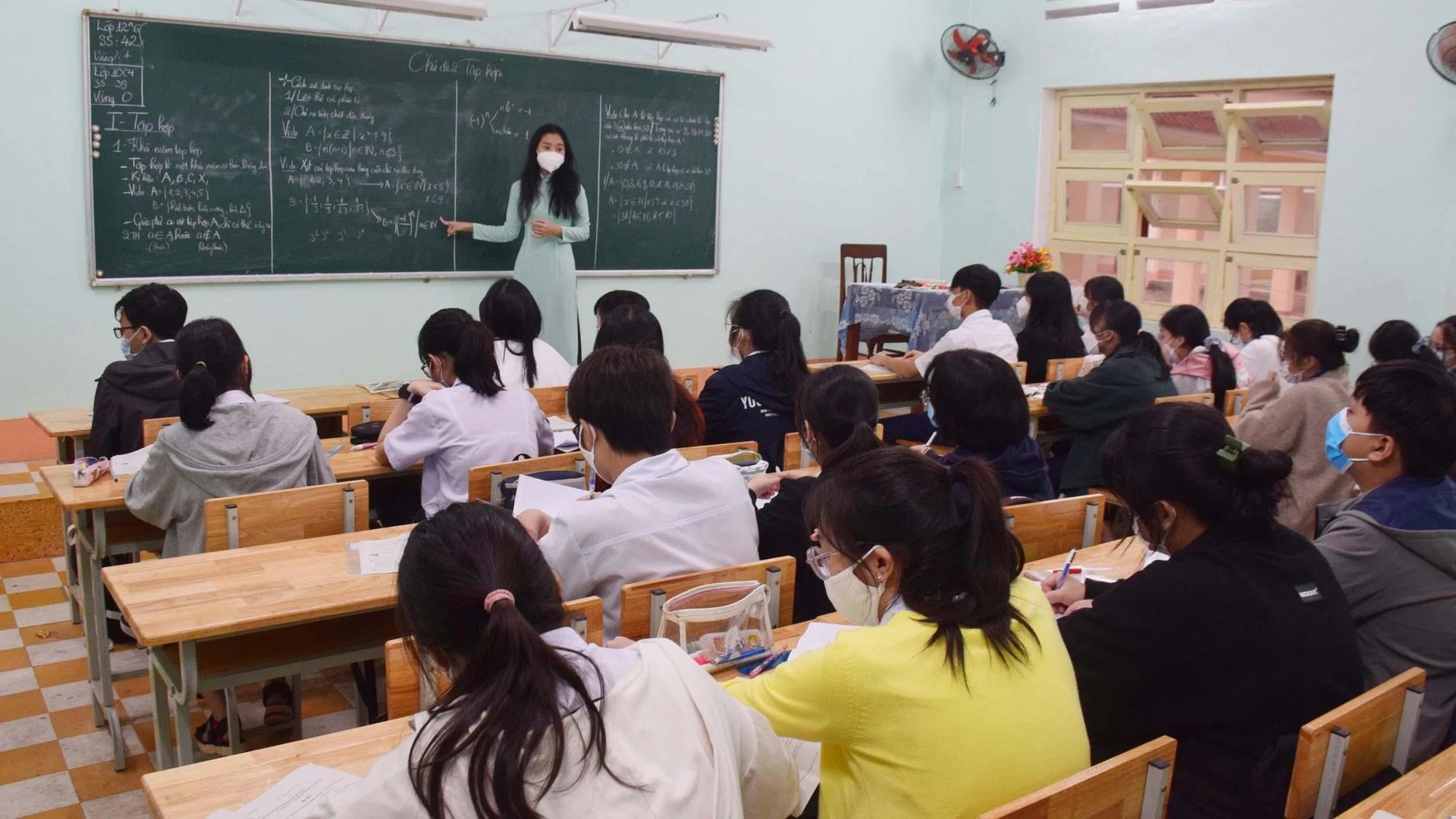
Teachers and students need to have empathy in the school environment.
ILLUSTRATIVE PHOTO: DAO NGOC THACH
If I could turn back time, I would listen to the students.
Throughout my years of teaching, I encountered many unruly, even insolent (in my assessment at the time). I also applied all the disciplinary measures, including lowering their grades, according to regulations.
However, looking back now, I always regret those decisions and worry about what those young people will have to face after being disciplined. If I could do it again, my choice would definitely be to listen to and forgive those young people.
Such situations require respect and cooperation from all parties. Parents and teachers should skillfully demonstrate tolerance and understanding, proactively withdraw from the conflict, and encourage positive cooperation from students.
Let the students express themselves, recognize their mistakes and responsibilities, before educators can guide and correct them.
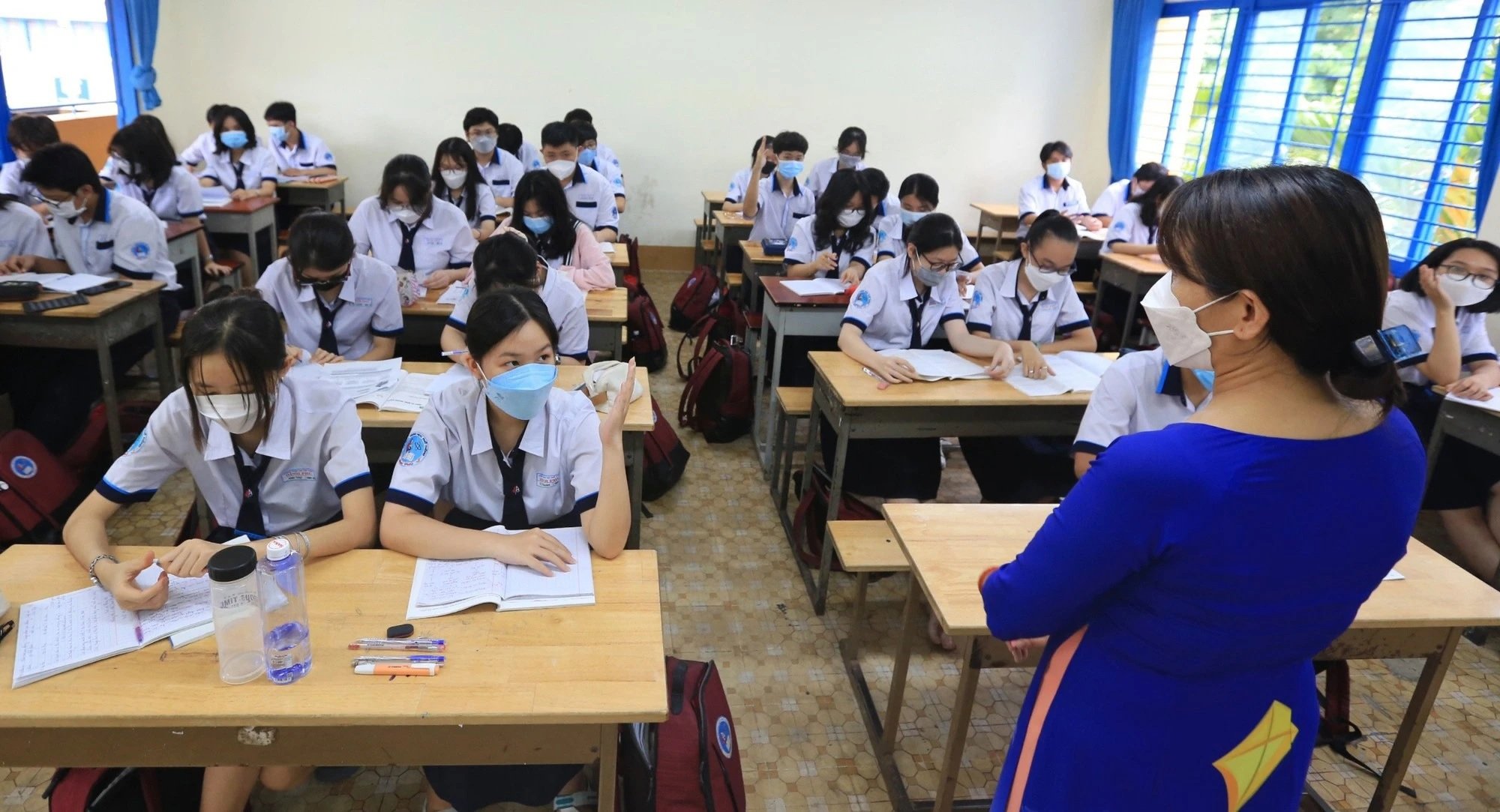
Teachers must create an environment where students can express themselves, recognize their mistakes, and understand their responsibilities.
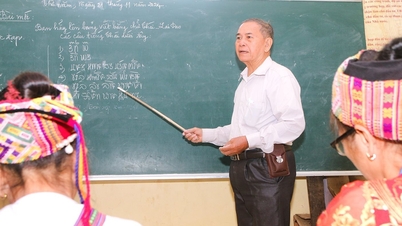
ILLUSTRATIVE PHOTO: DAO NGOC THACH
In this way, no power struggle will erupt, and the classroom will not become a battlefield where teacher-student relationships are shattered, leaving behind broken hearts for all parties involved.
Let love heal those wounds and build a civilized environment of behavior in schools.
Because, as the late President of the United Nations General Assembly, Vijaya Lakshmi Pandit (1900-1990), once said: "The goal of education is not to teach how to earn a living or to provide tools to achieve wealth, but rather to be a path that leads the human soul to Truth and the realization of Goodness."
Source link















































































Comment (0)