

Kudzu root is commonly used to treat ailments such as fever caused by external factors, neck and shoulder pain, headaches, measles, high fever with thirst, diabetes, diarrhea, dysentery, hypertension, myocardial ischemia, nosebleeds, vomiting blood, hemorrhoids with bleeding, and tinnitus and deafness.
Kudzu root is used by people as a refreshing drink in the summer, and it also offers many health benefits. However, many people still wonder how to consume kudzu root effectively, and whether drinking it raw or cooked yields the greatest health benefits.
Should you use kudzu root raw or cooked?
- Benefits of consuming raw kudzu root: When consumed raw, the nutritional content remains intact, and the substances are preserved in their original state.
However, consuming raw kudzu root is not good for children, pregnant women, or people with a cold constitution. If consumed, it can lead to diarrhea because kudzu root is inherently cold in nature.
Furthermore, using commercially available cassava starch does not guarantee food safety; it is often processed manually, easily contaminated with impurities and dirt, making it unsafe for consumers, especially when consumed raw.
- Benefits of cooking: High temperatures kill pathogens that affect digestion. Cooking kudzu root makes it easier for the body to absorb nutrients and reduces the bloating and indigestion associated with it. Therefore, cooking it is safer for human health.
However, when we use kudzu root at high temperatures, its medicinal and nutritional properties are significantly reduced.
In short, any food or supplement, no matter how good, will only be effective if it depends on the individual's physical condition and constitution. Kudzu root is no exception; its effectiveness depends on each person's physical condition and intended use. However, consuming it cooked thoroughly is always safer for human health.
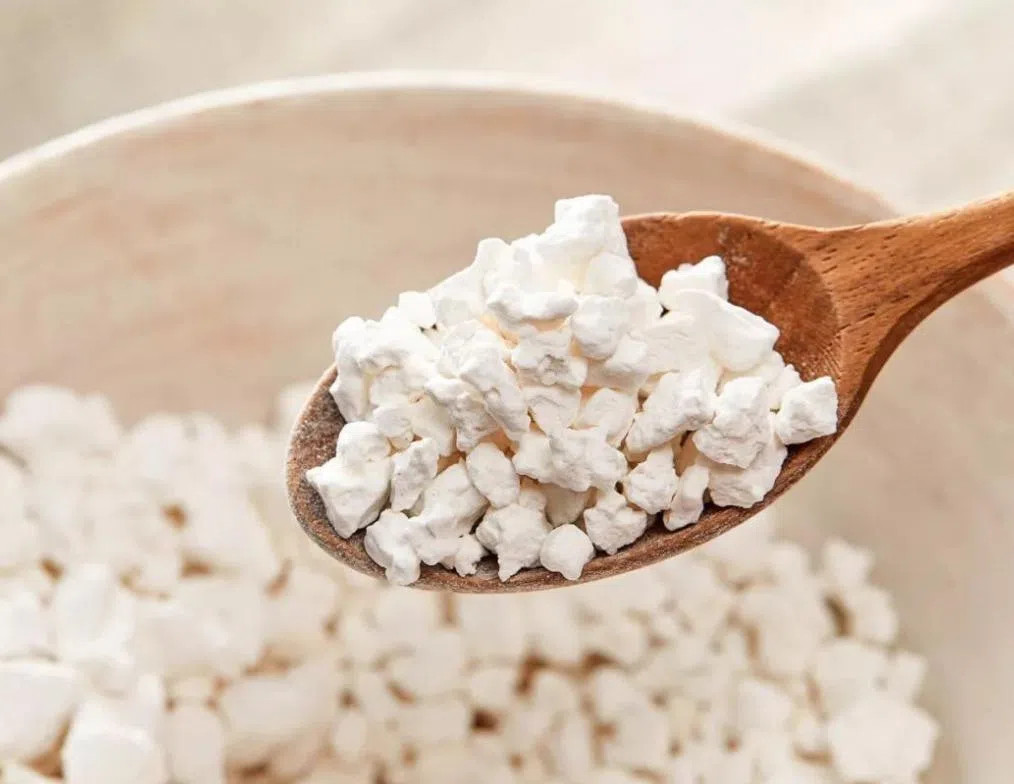
Kudzu root is used by people as a refreshing drink in the summer, and it also offers many health benefits.
The amazing health benefits of kudzu root for humans.
- Sore throat: Kudzu root has the effect of clearing heat, cooling the blood, nourishing yin and moisturizing dry skin, and also has a certain effect in reducing symptoms such as sore throat and hoarseness, loss of voice.
- Treating coughs: Kudzu root has the effect of clearing heat and expelling phlegm, and it also has a certain effect in reducing symptoms such as coughing and coughing with excessive phlegm.
- Fever reduction: Kudzu root has a cooling effect on the body and blood, and can also reduce symptoms such as fever, dry mouth, and sweating.
- Indigestion: Kudzu root promotes gastrointestinal motility, increases gastric secretion, and has a certain effect in improving symptoms such as indigestion, bloating, and constipation.
- Nephritis: Kudzu root has diuretic and anti-inflammatory properties, and it also has a certain effect in reducing symptoms such as nephritis and edema.
- Reduces symptoms of dysentery: Kudzu root has the effect of clearing heat and detoxifying, and it also has a certain effect in reducing symptoms such as dysentery and diarrhea.
- Loss of appetite: Using kudzu root helps increase gastric juices and digest food, and also has a certain effect in improving symptoms such as loss of appetite and indigestion.
In addition, kudzu root has anti-aging effects, reduces stress, and can be used for health and beauty care.
Note the cases in which kudzu root should not be used.
- Poor digestion: Traditional medicine considers the spleen and stomach to be the source of digestion and absorption in the human body. If the spleen and stomach function poorly, it can easily lead to indigestion and loss of appetite. Kudzu root is a food rich in fiber, which can easily irritate the digestive tract.
- People with a hot and humid constitution: They tend to accumulate moisture and heat in their bodies, causing symptoms such as excessive phlegm, dry mouth, and constipation. Kudzu root itself has moisturizing properties and can promote the body's elimination of moisture and heat. However, for those with a hot and humid constitution, consuming too much kudzu root may worsen these symptoms.
- Diabetic patients: Kudzu root contains a certain amount of starch, which can provide energy but can also affect blood sugar levels. Diabetic patients with poorly controlled blood sugar should consume kudzu root in moderation to avoid blood sugar fluctuations.
- Children and pregnant women: Because kudzu root has a cooling nature, consuming large amounts of kudzu root in these two cases can lead to diarrhea.
According to traditional medicine, while kudzu root is a nutritious food, it is not suitable for everyone. Therefore, individuals with the aforementioned physical conditions or illnesses should consult a traditional medicine doctor or specialist for advice before using it to ensure safe consumption.
Source: https://giadinh.suckhoedoisong.vn/uong-bot-san-day-song-hay-chin-tot-hon-172240625202233027.htm


![[Image] Nearly 125,000 Hanoi students completed the Literature exam for the 10th grade entrance exam.](https://vphoto.vietnam.vn/thumb/1200x675/vietnam/resource/IMAGE/2026/05/30/1780117233041_ndo_br_thiet-ke-chua-co-ten-2-png.webp)





















![[Photo] Admire the coral "masterpiece" amidst the million-year-old heritage of Dak Lak province.](https://vphoto.vietnam.vn/thumb/1200x675/vietnam/resource/IMAGE/2026/05/30/1780107638639_y25-jpg.webp)










































































Comment (0)