

Currently, 30 units under TKV (Vietnam Coal and Mineral Group) use electricity from 110kV, 35kV, and 22kV voltage levels managed by the power sector, with a total line length of approximately 190km, passing through many mountainous areas, posing high risks due to extreme weather conditions. In 2025, the power sector will strengthen regular inspections and reviews of the power grid, thereby promptly detecting and addressing technical defects and maintaining the reliability of electricity supply.
Notably, a series of infrastructure upgrade projects have been put into operation on schedule, such as: increasing the capacity of the 110kV Uong Bi, Cam Pha, and Giap Khau substations; renovating and upgrading the transmission capacity of the 110kV 173, 174 T500 Quang Ninh - Giap Khau - Ha Tu - Ha Lam transmission lines. In particular, the energization of the 110kV Hung Thang and Hoanh Bo substations by the end of 2025 will help to balance the load and reduce pressure on neighboring substations. Along with that, the replacement of high-temperature conductors and the upgrading of the cross-section of key transmission lines have significantly improved transmission capacity. Thanks to these synchronized solutions, the number of incidents on the medium-voltage power grid supplying electricity to the coal industry in 2025 is expected to decrease by approximately 8% compared to 2024.
Beyond infrastructure improvements, the coordination mechanism between the electricity sector and coal industry units has also significantly improved. Proactive exchange of production plans, load demands, and power outage schedules has helped minimize disruptions. In situations involving storms and heavy rain, timely support from coal enterprises has contributed to shortening recovery times.

Despite achieving positive results, the power supply system for the coal industry still reveals many limitations, such as: the infrastructure of some power lines and equipment has been in operation for many years, its load capacity is limited, and it is vulnerable to natural disasters; the renovation and upgrading have not been synchronized, so the risk of localized overloading still exists, especially in areas with rapidly increasing load.
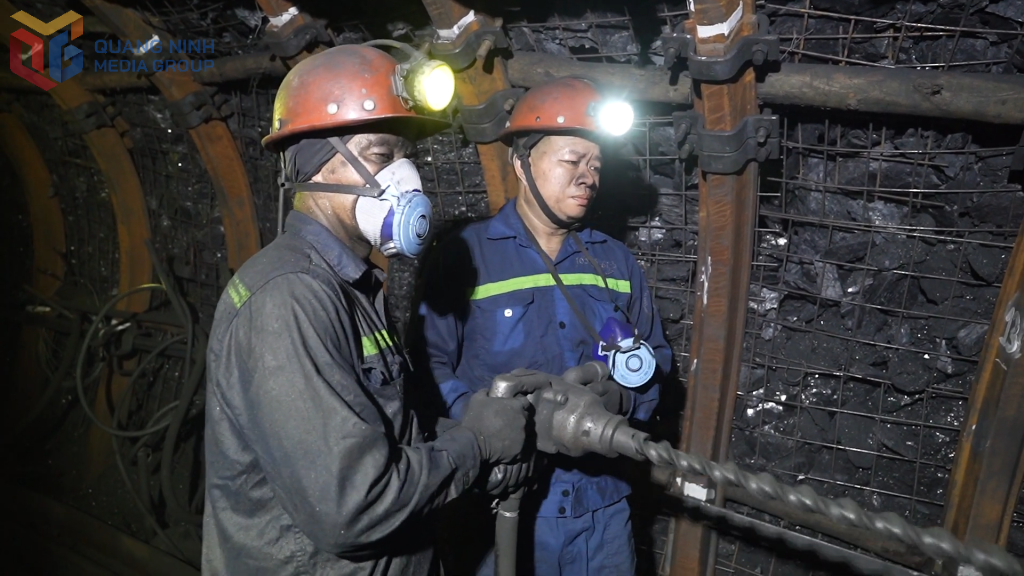
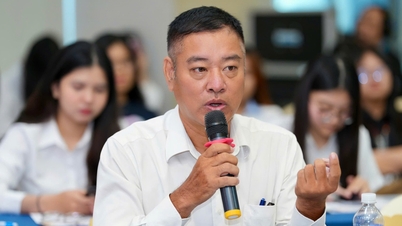
From a business perspective, the requirements for reliable power supply are becoming increasingly stringent. A representative from Quang Hanh Coal Company stated that, given the nature of their underground mining operations involving gas, even short power outages pose serious safety risks. However, because the company is located at the end of the power supply line, the stability of the power supply is not high, especially during periods of heavy rain and thunderstorms.
Similarly, at Vang Danh Coal Company (the unit with the largest electricity consumption in TKV), the pressure to ensure electricity supply for production is increasing. In 2025, the unit had to use backup generators in many cases of power outages. Entering 2026, with a production target of 3.9 million tons of coal and an expected electricity demand of over 116 million kWh, the challenge of ensuring a reliable backup power supply becomes even more urgent.

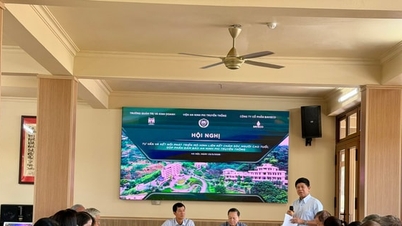
In response to this need, at the end of March 2026, Quang Ninh Power Company and TKV signed a memorandum of understanding on coordinating the management and operation of the power system, responding to incidents, and preventing and mitigating natural disasters. A notable point is that the approach goes beyond simply handling situations, aiming for long-term, systemic solutions.
Mr. Nguyen Thanh Tinh, Director of Quang Ninh Power Company, said: The power sector is continuing to prioritize investment in upgrading the power grid infrastructure towards synchronization and modernization, focusing on projects to renovate and improve the transmission capacity of 110kV lines supplying power to Mong Duong and Cam Pha areas; building new substations and outgoing lines to enhance backup power supply capacity. Many projects expected to be completed in the second and third quarters will contribute to improving the reliability of power supply. Alongside infrastructure investment, the power sector is also promoting the application of technology in remote monitoring and control, developing flexible and backup power supply plans, thereby minimizing risks when incidents occur.

On behalf of TKV, Mr. Nguyen Van Tuan, Deputy General Director of TKV, affirmed: The units proactively optimize load profiles and allocate operating time rationally to reduce pressure on the power system. TKV and Quang Ninh Power Company have built a mechanism for real-time data sharing, moving towards forming a common coordination system. Disaster prevention and control are also placed at the center of both sides, with the development of response scenarios, the organization of drills, and the preparation of sufficient resources; promoting the efficient and economical use of electricity, including the deployment of rooftop solar power at TKV units, to contribute to reducing the load on the national power system.
Source: https://baoquangninh.vn/uu-tien-cap-dien-cho-nganh-than-3401926.html






















































































Comment (0)