

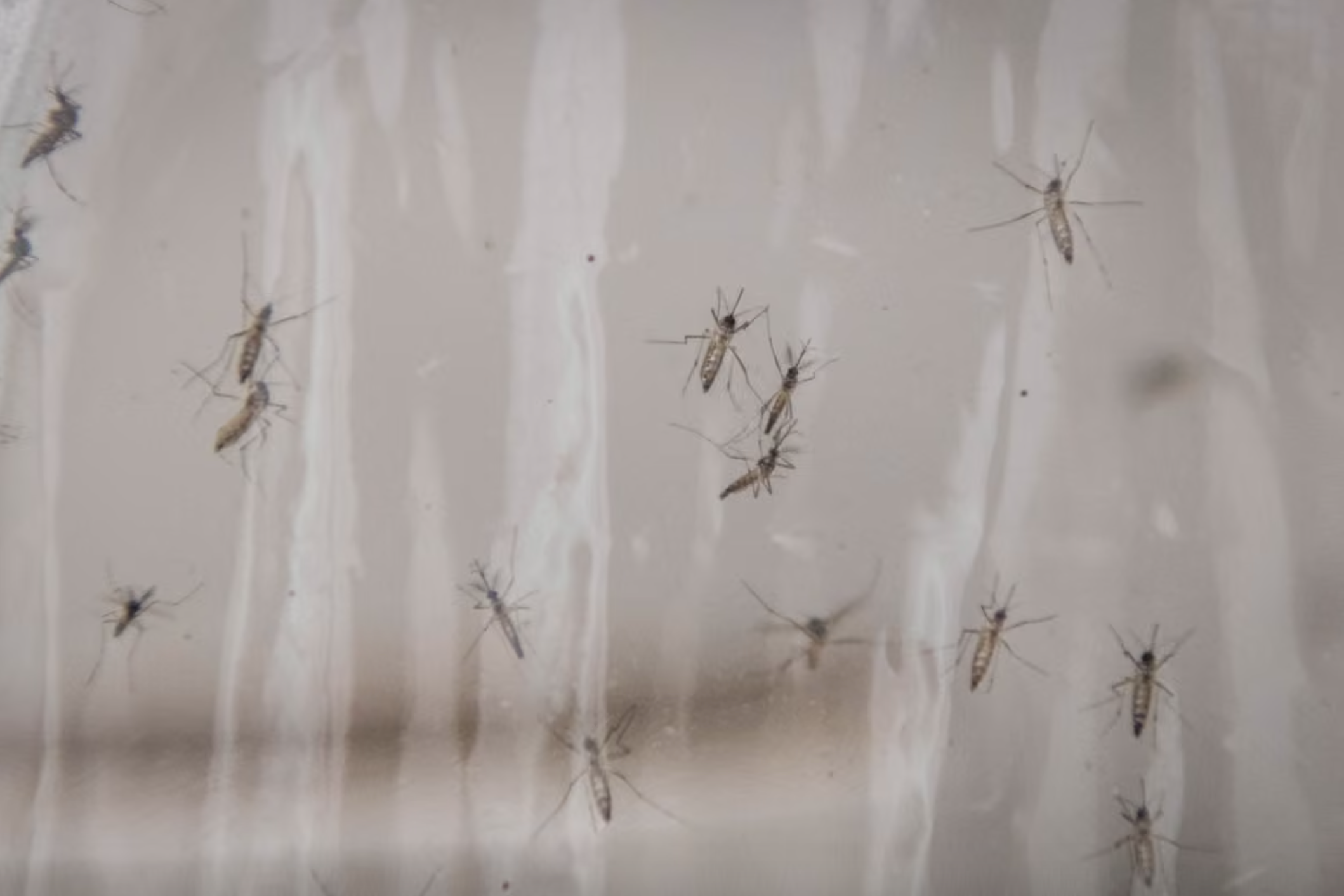
Google is pursuing an ambitious public health project, proposing that the U.S. government allow the release of tens of millions of sterile male mosquitoes in California and Florida to reduce the number of mosquitoes that transmit dangerous diseases.
According to documents currently under review by the U.S. Environmental Protection Agency (EPA), the tech giant wants to release up to 16 million mosquitoes annually for two years, totaling approximately 32 million mosquitoes across the entire trial program. A final decision will be made after the public comment period concludes on June 5th.
Use mosquitoes to kill mosquitoes.
The Debug project is one of Google's special efforts to apply technology to solve public health challenges. The program's goal is to reduce the population of Aedes aegypti mosquitoes – a species considered the primary vector for diseases such as dengue fever, Zika, yellow fever, and chikungunya.
Unlike female mosquitoes, male mosquitoes do not bite humans and do not transmit diseases. In the method that Google is implementing, scientists breed male mosquitoes carrying Wolbachia bacteria – a type of bacteria that occurs naturally in the environment.
When these male mosquitoes mate with female mosquitoes in the wild, the eggs are unable to develop into the next generation. As a result, the mosquito population gradually decreases with each reproductive cycle.
Google describes this as an approach of “using good mosquitoes to fight bad mosquitoes,” rather than relying entirely on insecticides or traditional control methods.
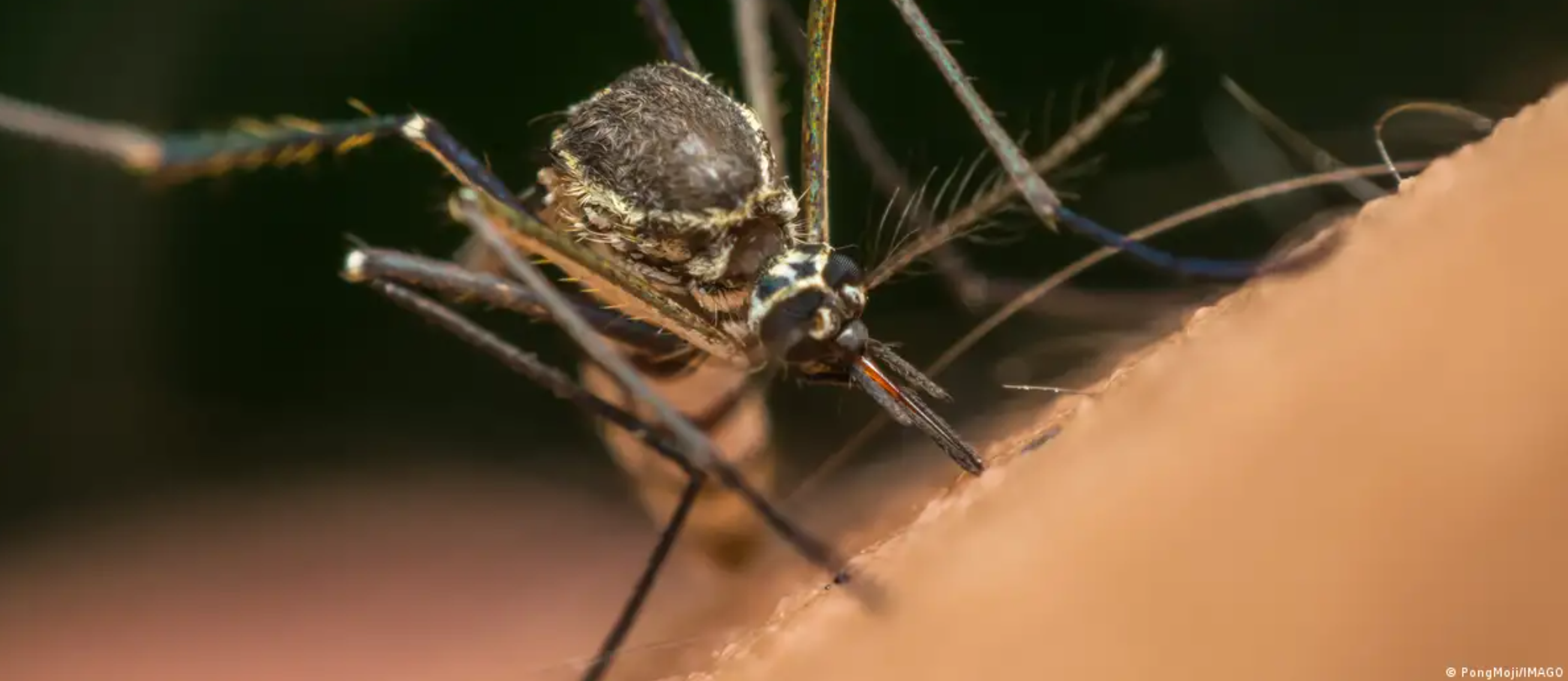
According to experts, this technique is not new. The "insect sterilization" method has been used for decades to control pests in agriculture and public health. The use of Wolbachia bacteria to create sterile mosquitoes, in particular, has been researched and implemented in practice for about 15 years.
Technology and AI are involved in the fight against the pandemic.
The Debug project was initially developed under the leadership of Verily Health, a health technology company belonging to Alphabet. Verily is an ambitious project of Google X, focused on researching technological solutions to address global health problems.
By the end of 2024, Google had completed the acquisition of the entire Debug project from Verily, making the program a direct part of the company's research ecosystem.
What sets Debug apart is its combination of biological science with modern technology. Google says its engineers are using sensor systems, big data analytics, and AI-powered computer vision technology to automatically classify male and female mosquitoes with high accuracy.
Accurate sex determination is crucial because only male mosquitoes are allowed to be released into the environment. In addition, the data system helps calculate the number of mosquitoes to release and identify suitable areas for optimal effectiveness.
Initial success in Singapore
Google's confidence in the Debug program stems from the test results in Singapore – the project's first international research and development center.
According to data released by Google based on statistics from Singapore's National Environment Agency, releasing millions of Wolbachia-carrying male mosquitoes has helped reduce the Aedes aegypti mosquito population by 80% to 90% in the areas where it was deployed.
More notably, the number of dengue fever cases in these areas decreased by more than 70% after about 6 to 12 months of implementing the program.
These results were considered a crucial basis for Google's decision to expand the project. Last May, the company announced it would increase investment and expand its research operations in Singapore.
Linus Upson, head of the Debug project, said the program's initial goal in Singapore was to develop technology for large-scale mosquito breeding and release, and to bring this solution to more communities in Asia – a region that accounts for about 70% of dengue cases globally.
"Our success in Singapore has given us the confidence to continue expanding," he said.
With dengue fever, Zika, and many other infectious diseases continuing to rise globally, Google's proposal shows that biotechnology is opening up new approaches in the fight against epidemics. If approved, the project could become a crucial testbed for future biological pest control solutions.
Source: https://daibieunhandan.vn/vi-sao-google-muon-tha-32-trieu-con-muoi-ra-moi-truong-10419090.html




![[Photo] Delegation attending the 14th Congress of the Vietnam Trade Union visits the Mausoleum of President Ho Chi Minh.](https://vphoto.vietnam.vn/thumb/1200x675/vietnam/resource/IMAGE/2026/06/03/1780451842301_ndo_br_img-3824-jpg.webp)














































































































Comment (0)