

Dental calculus (tartar) is a condition that most people experience at some point. Even with regular daily brushing, plaque remaining on the tooth surface can combine with minerals in saliva and gradually harden, forming a layer of tartar that adheres firmly to the tooth surface or below the gums.
Many people consider this to be merely an aesthetic issue, while in reality, tartar can be the source of many oral diseases if not treated promptly.
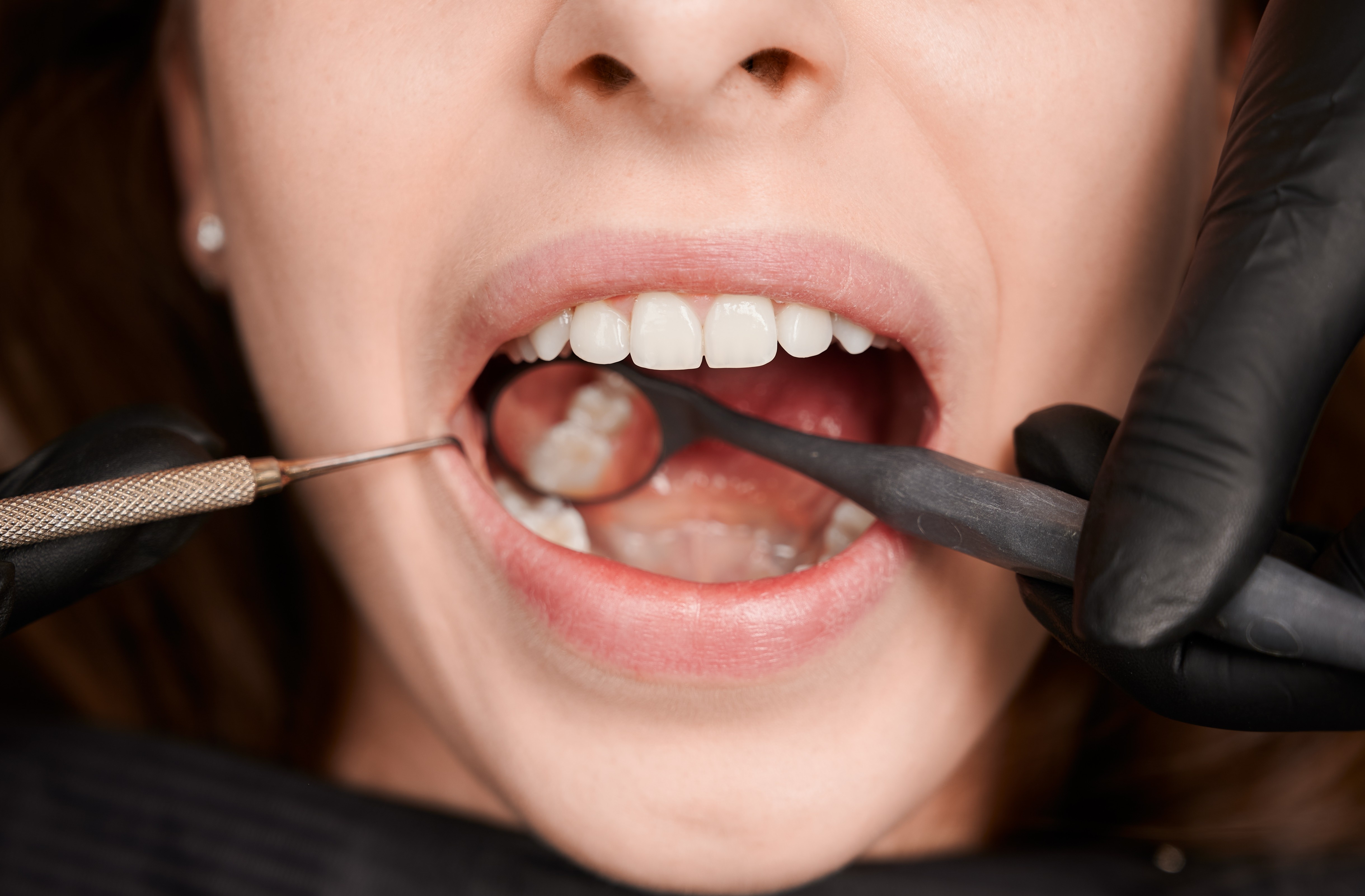 |
Dental plaque (tartar) usually adheres tightly to the surface of teeth or is hidden beneath the gum line. Photo: Freepik. |
Limit bacterial buildup.
After each meal, bacteria in the oral cavity combine with leftover food to form a biofilm called dental plaque, according to Healthline . If not thoroughly cleaned, this plaque absorbs calcium and phosphate from saliva and gradually mineralizes into tartar.
Dental plaque itself is not bacteria, but its rough surface creates an ideal environment for bacteria to accumulate and grow. Over time, the number of bacteria in the oral cavity can increase significantly, producing substances that irritate and inflame the surrounding gum tissue. This is why many people, despite brushing their teeth regularly, frequently experience bad breath, bleeding gums, or swollen gums.
Helps prevent gingivitis and periodontal disease.
One of the most important reasons for teeth cleaning is to prevent gum disease. In the early stages, bacteria buildup around the base of the teeth can cause gingivitis, manifesting as red, swollen, painful gums, or bleeding when brushing. If this inflammation persists without treatment, the damage can spread to the tissues supporting the teeth, leading to periodontitis.
When you have periodontal disease, the bone around the tooth roots gradually resorbs. Patients may experience receding gums, loose teeth, prolonged sensitivity, and eventually tooth loss. This is also the leading cause of tooth loss in adults.
Reduce bad breath
According to WebMD , bad breath is a problem that makes many people lose confidence in communication, but not everyone knows that the cause may stem from tartar buildup.
Bacteria clinging to tartar constantly break down leftover food and proteins in the mouth, creating sulfur-containing compounds with an unpleasant odor. Therefore, even with regular brushing or mouthwash use, bad breath can persist if tartar is not removed. After tartar removal and proper oral hygiene, many people notice a significant improvement in their breath.
Helps detect oral health problems early.
The process of scaling teeth is often accompanied by a general oral health check-up. This is an opportunity for dentists to detect early problems such as cavities, gingivitis, receding gums, enamel erosion, or other abnormalities in the oral cavity. Early detection makes treatment easier, limits complex procedures, and reduces costs later on.
How often should I have my teeth cleaned to remove tartar?
The frequency of dental scaling can vary from person to person. For those with good oral health, dentists usually recommend scaling every six months. However, smokers, frequent coffee and tea drinkers, those prone to tartar buildup, or those with periodontal disease may need more frequent scaling as directed by their dentist.
Many people worry that tartar removal will erode tooth enamel or weaken teeth. In reality, if performed correctly at a reputable dental clinic, tartar removal does not harm tooth enamel. Any slight sensitivity after the procedure mainly stems from the fact that the root portion of the tooth, previously covered by tartar, is now exposed, and this usually subsides after a short time.
Source: https://znews.vn/vi-sao-nen-lay-voi-rang-thuong-xuyen-post1656009.html






































































































Comment (0)