

1. Hormonal changes make women over 30 more susceptible to magnesium deficiency.
- 1. Hormonal changes make women over 30 more susceptible to magnesium deficiency.
- 2. Prolonged stress
- 3. Eating habits
- 4. What can be done to prevent magnesium deficiency after age 30?
After age 30, hormonal changes, particularly a decline in estrogen levels, can affect the body's ability to absorb, distribute, and retain magnesium. As hormonal balance shifts, the ability to maintain stable magnesium levels may also gradually decrease over time.
Meanwhile, magnesium is a mineral involved in over 300 different biochemical reactions, related to nerve activity, muscle function, sleep, and blood sugar regulation. Therefore, when magnesium levels in the body decrease, feelings of fatigue, poor sleep, or muscle tension are more likely to occur.
Magnesium deficiency often develops silently and is difficult to detect at first. Many women only begin to notice this problem when their bodies show persistent symptoms such as irritability, lack of energy, or exhaustion, even when their workload isn't particularly heavy.
2. Prolonged stress

Prolonged stress can also cause the body to excrete magnesium through urine faster than normal.
After age 30, many women have to balance work, family, and children simultaneously. When the body is constantly under stress, the nervous system also becomes more active, thereby increasing the need for magnesium to maintain bodily stability.
Furthermore, prolonged stress can cause the body to excrete magnesium through urine faster than normal. This easily creates a vicious cycle: the more stressed you are, the more likely your body is to become magnesium deficient; and magnesium deficiency, in turn, makes feelings of fatigue, difficulty relaxing, and insomnia more pronounced.
Besides mental stress, habits such as staying up late, not getting enough sleep, or working continuously also affect the body's ability to balance minerals. This is why many people, even at a young age, often feel sluggish or have reduced stamina compared to before.
3. Eating habits

Habits like eating quickly, skipping meals, or prioritizing processed foods can cause magnesium intake to gradually decrease over time.
Meanwhile, fast food, refined foods, and sugary dishes often contain very little natural magnesium but are becoming increasingly common in modern diets.
Additionally, consuming large amounts of coffee, strong tea, or alcohol can also affect the body's ability to retain magnesium. Some studies suggest that caffeine and alcohol may increase magnesium excretion in urine if consumed in large quantities or over a long period.
In addition, many women adopt strict diets in their desire to lose weight. If they drastically cut carbohydrates or certain food groups without a balanced diet, their bodies may not receive enough magnesium for daily functions.
4. What can be done to prevent magnesium deficiency after age 30?
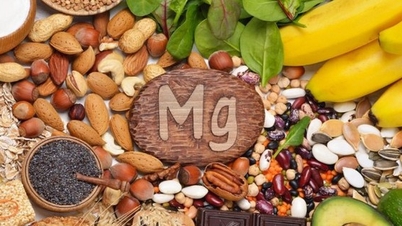
- Prioritize magnesium-rich foods in your daily meals: Magnesium is abundant in dark green leafy vegetables, nuts, beans, fish, and whole grains. Maintaining a varied diet will help your body replenish magnesium naturally more effectively than relying solely on supplements.
- Get enough sleep and reduce prolonged stress: Stress and lack of sleep cause the body to deplete magnesium more quickly. Therefore, maintaining a consistent sleep schedule, taking time to rest, and engaging in light exercise are equally important for keeping the body in balance.
- Limit your consumption of coffee, strong tea, and alcohol: When your body is constantly fatigued, you have difficulty sleeping, or you experience muscle tension, you should also pay more attention to the frequency of your consumption of these beverages.
- Only supplement magnesium with tablets when absolutely necessary: In some cases, the body may need magnesium supplementation from dietary supplements. However, use should be appropriate to needs and under the guidance of a doctor to avoid unnecessary over-supplementation.
Women over 30 need approximately 310-320mg of magnesium per day. Pregnant women need this amount to about 350-360mg per day. Note that this is the total amount of magnesium from both food and supplements (if any). Consuming more than 350mg of magnesium per day from supplements without a doctor's prescription can lead to magnesium excess and cause side effects.
Please read more here:
Source: https://suckhoedoisong.vn/vi-sao-phu-nu-sau-30-de-thieu-magie-hon-169260521152308842.htm








































































































Comment (0)