

Magnesium is an essential mineral involved in over 300 biochemical reactions in the body, from nerve and cardiovascular function to glucose metabolism and bone density maintenance. However, the reality is that many people still suffer from magnesium deficiency despite maintaining a magnesium-rich diet.
Recent studies indicate that the issue lies not simply in the amount of magnesium consumed, but also in the body's ability to absorb and retain it.
1. Magnesium deficiency: A common but hard-to-detect problem.
- 1. Magnesium deficiency: A common but hard-to-detect problem.
- 2. Factors affecting magnesium absorption
- 2.1 Medications and medical conditions can cause magnesium depletion.
- 2.2 Poor absorption
- 2.3 The relationship between magnesium, the gut, and the brain
- 3. Can a blood test detect magnesium deficiency?
- 4. What can I do to improve my magnesium levels?
Global estimates suggest that around 31% of the population does not meet recommended magnesium intake. However, this figure may not accurately reflect the reality. Even those who consume sufficient magnesium-rich foods such as leafy greens, whole grains, nuts, and legumes may still be deficient due to inefficient absorption by the body.
A 2025 review analyzing 48 studies introduced the concept of a "magnesium deficiency score"—a tool for comprehensively assessing factors affecting magnesium status in the body beyond diet. The results showed that individuals with high deficiency scores did not receive any benefits despite adequate dietary intake.
Factors that increase the risk of magnesium deficiency include: alcohol use, kidney disease, digestive disorders, and the use of certain medications. Notably, this group has a higher risk of developing chronic diseases such as cardiovascular disease, type 2 diabetes, osteoporosis, and chronic inflammation.

Magnesium is an essential mineral that plays a crucial role in preventing chronic diseases.
2. Factors affecting magnesium absorption
2.1 Medications and medical conditions can cause magnesium depletion.
One often overlooked factor is the impact of medication. Certain drug groups can increase magnesium excretion through the kidneys, such as diuretics, some antibiotics, and anti-inflammatory drugs. This can lead to magnesium loss even if the diet is adequate.
Furthermore, metabolic disorders also have a significant impact. In patients with type 2 diabetes, hyperglycemia increases magnesium excretion in the urine. This creates an unfavorable cycle: the more magnesium is deficient, the poorer blood glucose control becomes, and the more magnesium is lost.
A meta-analysis of over 536,000 people showed that for every 100 mg increase in magnesium intake per day, the risk of developing type 2 diabetes decreased by approximately 14%. This highlights the crucial role of magnesium in glucose metabolism and insulin sensitivity.
2.2 Poor absorption
Magnesium is primarily absorbed in the intestines. Therefore, any disorder in the digestive system can affect absorption, including: Irritable bowel syndrome (IBS), inflammatory bowel disease (Crohn's disease), malabsorption syndrome, prolonged diarrhea, etc. In these cases, the amount of magnesium consumed does not accurately reflect the amount the body can actually utilize.
A 2024 study of type 1 diabetes patients found that approximately 10% of hospitalized patients were magnesium deficient, and poor glycemic control was strongly associated with low magnesium levels.
2.3 The relationship between magnesium, the gut, and the brain
New studies have also shown a link between magnesium and the gut microbiome. Magnesium deficiency can alter the gut microbiota, thereby affecting the gut-brain axis. The consequences extend beyond digestive disorders and are also linked to: mood disorders, increased risk of depression, reduced ability to adapt to stress, etc. This shows that magnesium deficiency is not just a simple micronutrient deficiency but also impacts the entire metabolic and nervous systems.
3. Can a blood test detect magnesium deficiency?
A major difficulty in detecting magnesium deficiency is the inaccuracy of blood tests. Only about 1% of magnesium exists in the blood; the majority is located in cells and bones. Therefore, a person with normal blood magnesium test results may still have a deficiency at the cellular level. This requires a comprehensive assessment, including: clinical symptoms, kidney function, nutritional status, underlying medical conditions, etc.
Who is at high risk of magnesium deficiency?
Some groups require special attention, including:
- People with diabetes
- People with chronic digestive diseases
- People who use diuretics or antibiotics for extended periods
- People who drink alcohol regularly
- People who experience prolonged stress...
These individuals may require more proactive magnesium monitoring and supplementation.
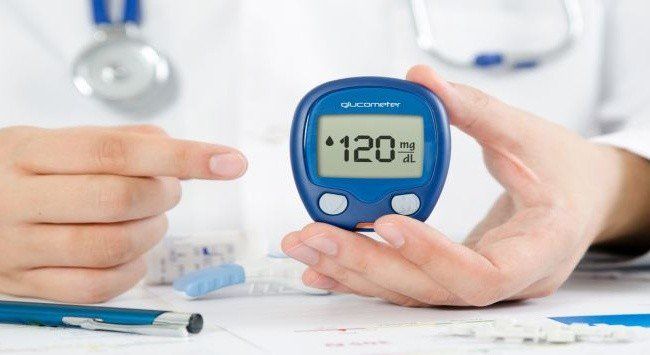
People with diabetes need to pay special attention to monitoring and supplementing their magnesium intake.
4. What can I do to improve my magnesium levels?
Diet remains fundamental, but it's not enough; a combination of measures is needed, including:
1. Maintain a diet rich in magnesium: Leafy green vegetables, nuts, beans, whole grains, fish, and bananas.
2. Control underlying conditions: Especially diabetes and digestive disorders.
3. Review medications you are currently taking: Consult your doctor if you suspect any medication is causing magnesium loss.
4. Reduce stress: Prolonged stress can increase magnesium requirements and lead to magnesium depletion.
5. Consider supplementation when necessary: In some cases, magnesium supplementation may be beneficial, but it requires medical advice.
Magnesium deficiency is not simply a matter of diet. It's a condition influenced by multiple factors, including absorption, underlying medical conditions, medications, and lifestyle. Focusing solely on diet can lead many to overlook potential risks. Early identification and comprehensive assessment of magnesium status are crucial steps in preventing chronic diseases and maintaining long-term health.
Please watch the video for more information:
Source: https://suckhoedoisong.vn/thieu-magie-du-an-uong-day-du-lam-gi-de-cai-thien-169260427163055597.htm

![[Image] Hanoi's urban life under the challenge of a "scorching hot" environment](https://vphoto.vietnam.vn/thumb/1200x675/vietnam/resource/IMAGE/2026/05/25/1779706979265_nang-nong-t5-2026-minh-duy-7-4636-jpg.webp)



![[Image] Close-up view of the interchange connecting the two expressways and Long Thanh Airport.](https://vphoto.vietnam.vn/thumb/1200x675/vietnam/resource/IMAGE/2026/05/25/1779703378210_ndo_br_z7863716673926-224453a31600126cce10622af6290afd-4549-jpg.webp)





























































































Comment (0)