

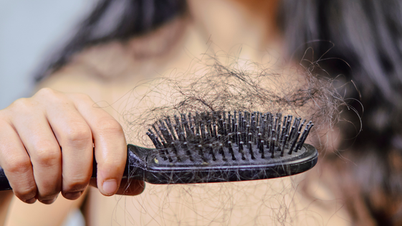
There are many reasons why hair falls out excessively, such as menopause in women, natural aging, stress, medical conditions, hair treatments, direct exposure to heat and chemicals, etc. In addition, nutritional deficiencies are one of the reasons why hair falls out excessively and becomes increasingly weak.
Hair, like other organs in the body, needs nutrients to grow, stay strong, and shiny. Without sufficient nutrients, hair becomes dry, brittle, and prone to breakage. If left untreated and without proper care and nutrition, hair loss will worsen.
What nutrient deficiency causes hair breakage and loss?
Excessive hair loss can signal a deficiency in the following nutrients:
- Vitamin group
Vitamins are all very good and essential for hair. These nutrients help hair grow faster and healthier.
Vitamin A :
Vitamin A represents a group of fat-soluble retinoids, including retinol, retinal, and retinyl ester. Vitamin A has the following effects: promoting healthy vision, boosting the immune system, and aiding in cell differentiation and development.
Vitamin A is essential for hair cells to grow and develop rapidly.
However, consuming too much vitamin A can potentially cause hair loss.
Vitamin C :
Vitamin C is a powerful antioxidant that prevents the oxidation of low-density lipoproteins and eliminates free radicals that damage cells, thereby boosting the body's immune system.
Vitamin C plays a crucial role in iron absorption and reduces iron mobilization in the intestines. Therefore, vitamin C is essential for patients with hair loss related to iron deficiency.
Vitamin E :
Vitamin E helps hair and skin retain their natural moisture. A deficiency in vitamin E can lead to dry hair and skin, and hair can become brittle and prone to breakage.
Vitamin B :
Vitamin B7 is one of the vitamins involved in the formation of hair follicles, helping to keep hair strong and healthy.
Vitamin B6 is responsible for ensuring that metabolic processes occur continuously and efficiently in the hair follicles.
Therefore, if the body doesn't get enough vitamin B, it will make hair weak and prone to breakage and hair loss.
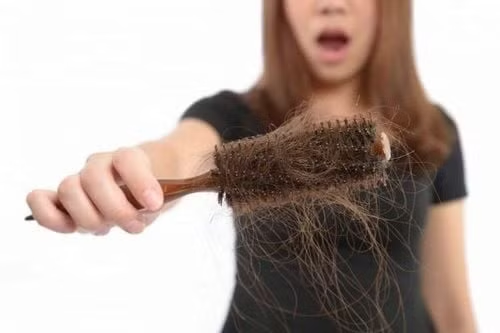
What nutrient deficiency causes hair loss? This is a question many women ask.
- Minerals
Protein :
Keratin is the main component of hair. It also helps produce collagen, which gives hair its natural shine and strength. Therefore, a protein deficiency in the body will cause hair to become dry, frizzy, weak, and prone to breakage.
Calcium:
Calcium is not only essential for strong and healthy bones, but it's also crucial for healthy hair and reducing breakage. Postpartum women often need more calcium than usual, which is why they frequently experience increased hair loss.
Zinc:
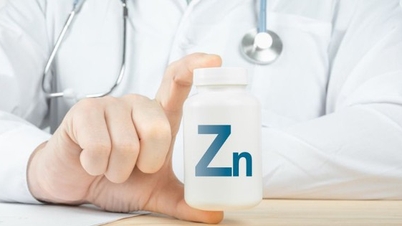
Zinc is an essential trace element for the body, and it can be obtained through daily diet. Hair loss is a common sign of zinc deficiency, and of course, this condition will improve with adequate zinc supplementation.
Iron :
Iron is a mineral that helps produce red blood cells, promoting the smooth transport of nutrients to the hair. Iron deficiency reduces red blood cell production, resulting in insufficient nutrient supply to the hair.
Silica:
A deficiency of silica in the body leads to poor nutrient absorption, which in turn negatively impacts hair, causing it to become weak, dry, and prone to breakage.
Selenium:
This mineral helps excrete heavy metals and also acts as an antioxidant, protecting hair follicles from the harmful effects of free radicals.
Sulfur:
This is a component of keratin in hair. Sulfur nourishes and helps hair grow faster. A deficiency of this mineral will cause hair to grow slower and weaker than normal.
What should I do to reduce excessive hair loss?
As mentioned, there are many causes of hair breakage and loss, so it's important to first understand the underlying reason. If you experience unusual hair loss with no clear cause, it's best to visit a medical facility for examination so that the most effective treatment can be determined.
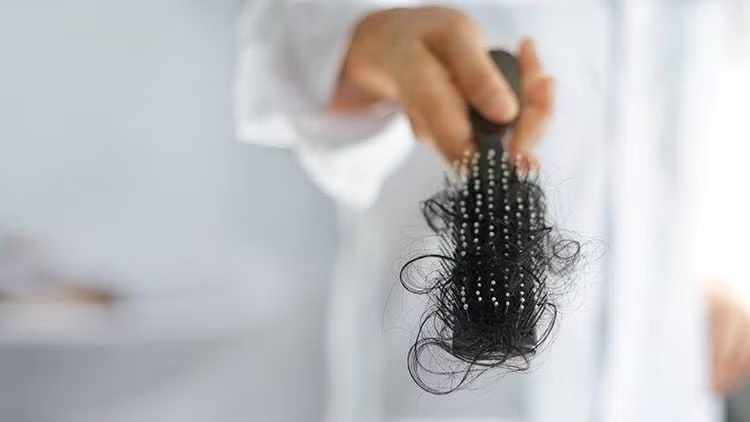
To stop hair loss, you need to find out the cause of your hair loss.
If hair loss is due to a nutritional deficiency, the most important thing is to improve and supplement the necessary vitamins and minerals through your daily diet.
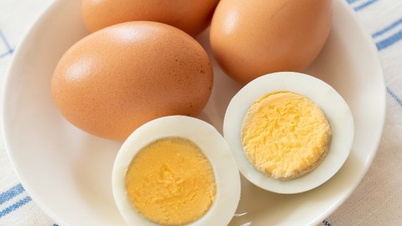
Protein sources: Abundant in eggs, milk, dairy products such as cheese and yogurt, various types of fish and shrimp, red meats such as beef and lean meat, beans and bean products, mushrooms, pumpkin, etc.
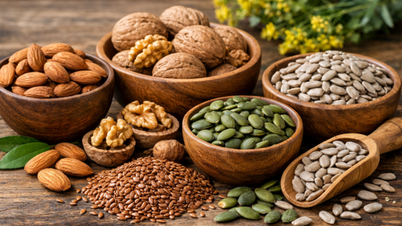
Supplementing minerals: A variety of foods such as: meat, seafood like clams, shrimp, oysters, tuna, liver, nuts, potatoes, grains, etc.
Include plenty of green vegetables for fiber and juicy fruits to provide extra vitamins, such as tomatoes, oranges, tangerines, and grapefruits.
If the damage is due to chemical treatments or frequent hair styling, it's necessary to limit frequent changes and treatments, and use nourishing products to help restore and moisturize the hair.
To help reduce excessive hair loss, in addition to supplementing nutrients through diet, you can combine this with using coconut oil or olive oil as a hair mask. Leave it on for 15-20 minutes, then rinse with clean water. Coconut oil helps moisturize hair, reduce dryness and frizz, and also promotes healthy hair growth.
Source: https://baohatinh.vn/vi-sao-toc-rung-nhieu-post297395.html
![[Photo] General Secretary and President To Lam receives Amazon's Senior Vice President David Zapolsky](https://vphoto.vietnam.vn/thumb/1200x675/vietnam/resource/IMAGE/2026/05/22/1779466547770_a1-bnd-3513-6601-jpg.webp)






















































































Comment (0)