

Innovation is essential for a double transformation.
In his opening remarks at the dialogue session, Vice Chairman of the Ho Chi Minh City People's Committee Vo Van Hoan raised the following issues: Alongside the achievements, Ho Chi Minh City's industry is facing challenges; development lacks sustainability; processing and assembly still account for a high proportion; and added value is low. Some technologies, after more than 30 years of investment and development, are now outdated. Meanwhile, the development process still relies heavily on resources, is labor-intensive, and supporting industries are developing slowly. In particular, the distribution of export processing zones and industrial parks is no longer suitable, with some industrial parks currently located in the city's core area. Therefore, to overcome these challenges, the transformation of Ho Chi Minh City's industrial sector is extremely urgent and necessary.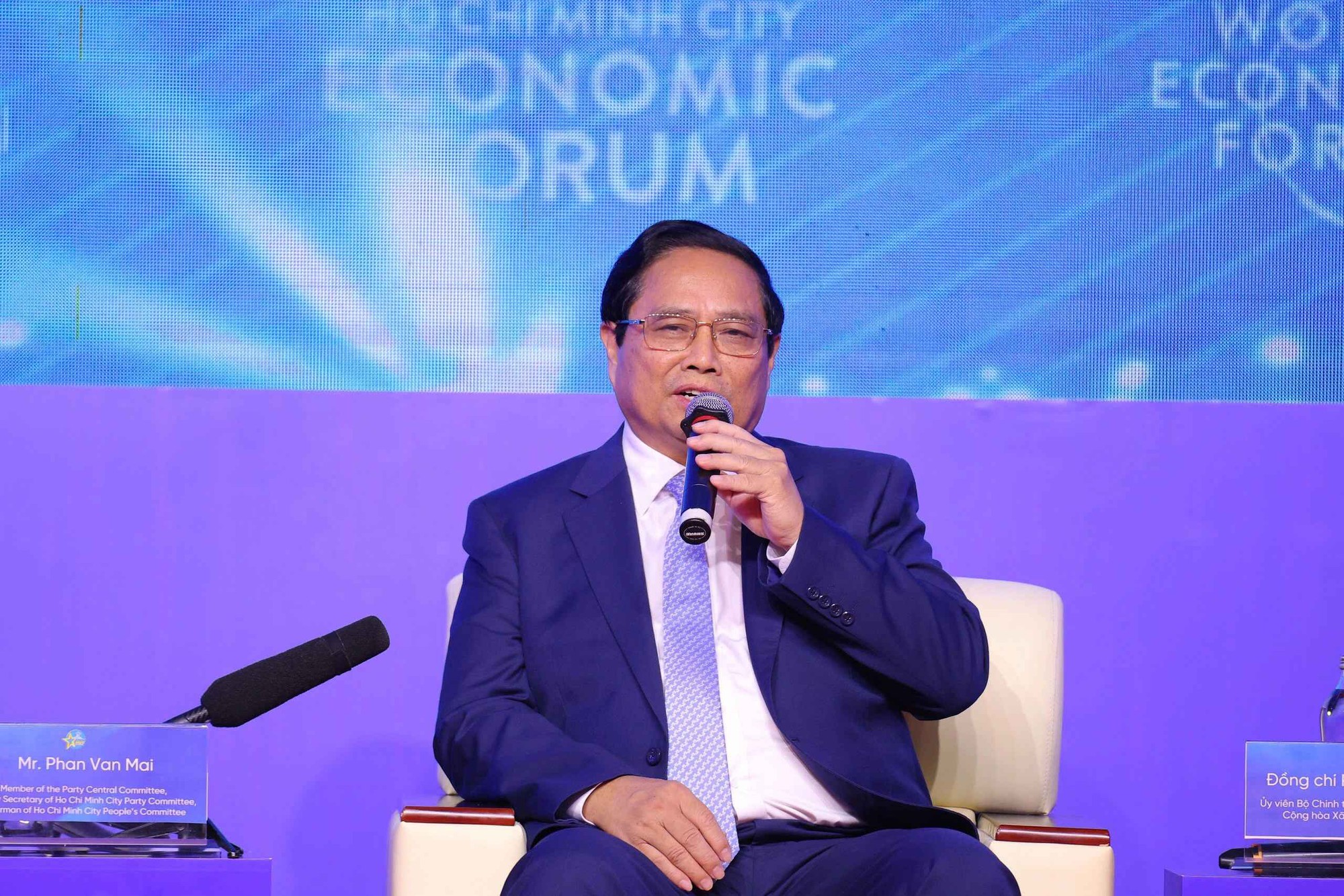
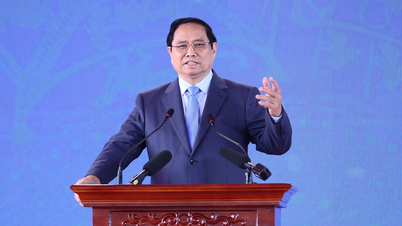
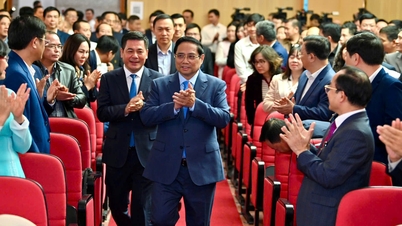
Prime Minister Pham Minh Chinh chaired the policy dialogue at the 5th Ho Chi Minh City Economic Forum 2024.
Photo: Nhat Thinh
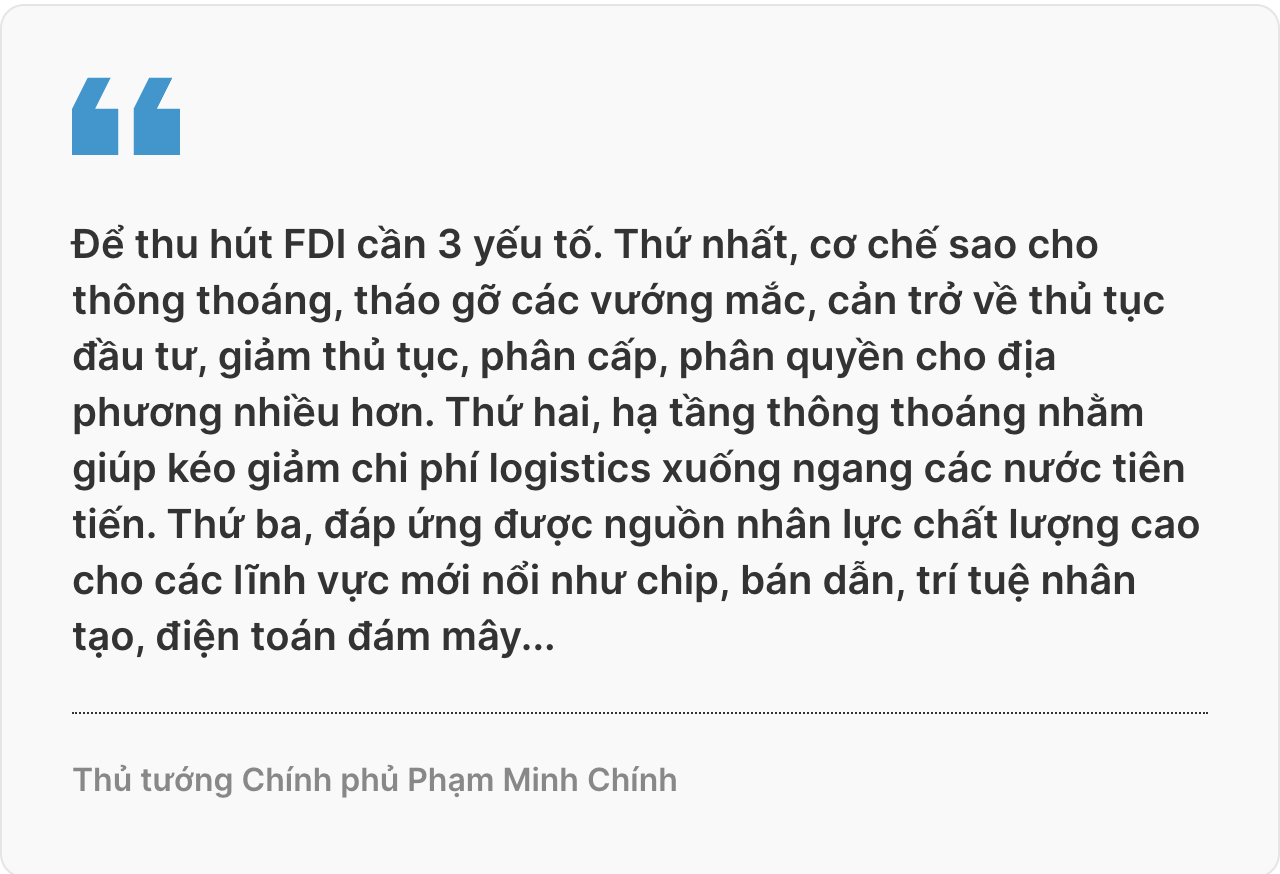 Similarly, another successful industrial transformation model is Chongqing (China). Mr. Trinh Huong Dong, Deputy Mayor of Chongqing, suggested that Vietnam needs to establish a land-sea corridor transit center in the two major cities of Hanoi and Ho Chi Minh City. The purpose is to expand the scale of exporting high-quality Vietnamese agricultural products to China's domestic markets. Previously, Mr. Vo Van Hoan shared Ho Chi Minh City's determination to build 180 km of urban railway by 2035 and invited Chongqing to invest in one of the components of this system. Commenting on scientific and technological research products, experts from Israel said that their country's strong scientific and technological development is due to research results, whether private or state-funded, being brought to market and becoming commodities. As the moderator of the policy dialogue session, economist Dr. Tran Du Lich directly addressed the question: What priority policies has the government implemented, is implementing, and will implement to support large and small businesses in accelerating the economic transformation process, primarily in the industrial sector? What is the national action plan on the circular economy; and what breakthrough policies and solutions are needed in science and technology across three fields: information technology, biotechnology, and new materials? In addition, representatives of foreign investors and Dr. Tran Du Lich also raised issues with the government regarding new policy mechanisms to encourage localities to participate with the government in the Net Zero commitment by 2050; and preferential policies for attracting new-generation foreign direct investment (FDI), especially after the application of the global minimum tax rate. At the dialogue session, Deputy Minister of Planning and Investment Tran Quoc Phuong stated that a deeper understanding of industrial transformation is a dual transformation: digital transformation and green transformation. To achieve this, innovation is essential. In the near future, the Ministry of Planning and Investment will submit to the Prime Minister a proposal to establish a fund to support businesses in the fields of innovation, digital transformation, and green transformation. Deputy Minister of Natural Resources and Environment Le Cong Thanh informed that Vietnam will aim to amend the environmental protection law to limit the import of scrap materials and encourage the collection and use of domestic scrap materials as raw materials for production. Representing the Ministry of Science and Technology, Deputy Minister Le Xuan Dinh stated that the Ministry is developing and amending the draft Law on Science, Technology and Innovation, replacing the current Law on Science and Technology. The biggest change is the regulation on the use of budget funds for public units to carry out research projects; this draft law will replace it with the use of socialized resources for science and technology activities. This will create conditions for businesses to absorb technology and increase innovation.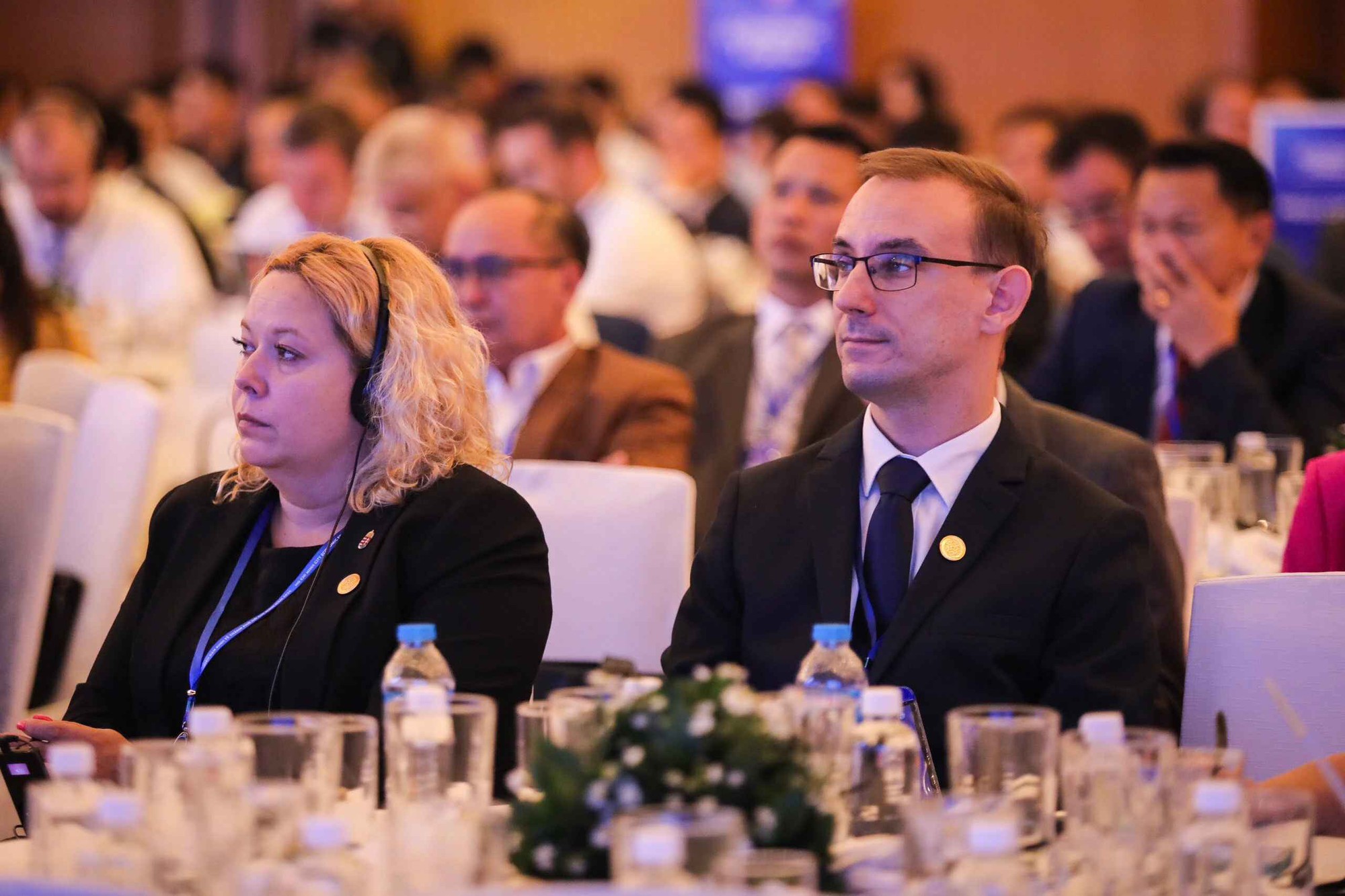
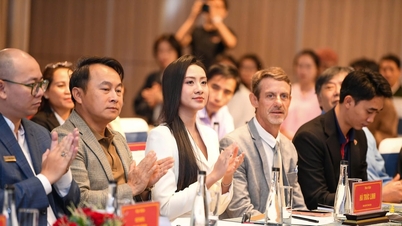
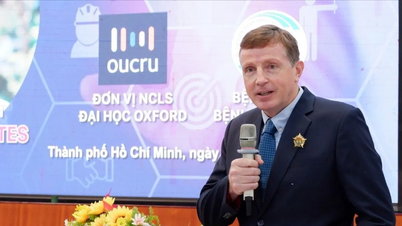
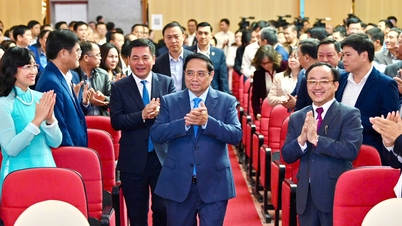
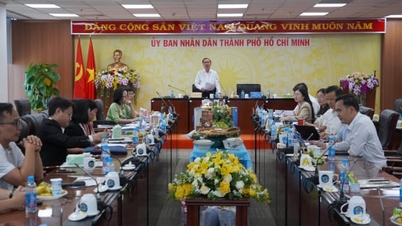
Many international delegates attended the dialogue.
Photo: Nhat Thinh

![[Photo] Prime Minister Pham Minh Chinh attends the Conference on the Implementation of Tasks for 2026 of the Industry and Trade Sector](/_next/image?url=https%3A%2F%2Fvphoto.vietnam.vn%2Fthumb%2F1200x675%2Fvietnam%2Fresource%2FIMAGE%2F2025%2F12%2F19%2F1766159500458_ndo_br_shared31-jpg.webp&w=3840&q=75)













































































Comment (0)