

In the context of global healthcare systems facing immense pressure from an aging population, rising non-communicable diseases, escalating healthcare costs, and inequality in access to services, Traditional Medicine (TM) is being re-evaluated as an important resource.
Traditional medicine today is not only valued for its cultural and historical significance, but also for its scientific basis, strict management, and effective integration into the national healthcare system.
The second World Health Organization (WHO) Global Summit on Traditional Medicine, taking place from December 17–19, 2025 in New Delhi, India, is a landmark event clearly demonstrating this direction. The summit will bring together health ministers, scientists, indigenous community leaders, and physicians from over 100 countries to discuss the path towards the responsible, safe, and sustainable development of traditional medicine in the age of science and technology.
1. Traditional medicine: The foundation of healthcare for billions of people.
According to the WHO, traditional medicine encompasses both systematized and unsystematized systems, predating modern medicine and continuing to adapt to current needs. For many communities, particularly in low- and middle-income countries, traditional medicine remains a primary source of healthcare due to its local availability, affordability, and socio-biological compatibility.
According to the WHO, nearly 90% of member states (170 out of 194 countries) report that between 40% and 90% of their populations use traditional medicine to varying degrees. For many, traditional medicine is not only an alternative when access to modern healthcare is limited, but also a personalized, natural, and preventative approach to health care.
This reality highlights the urgent need that, given the widespread use of traditional medicine, integrating it into a formal, evidence-based, and safe governance framework for the public is an urgent necessity.
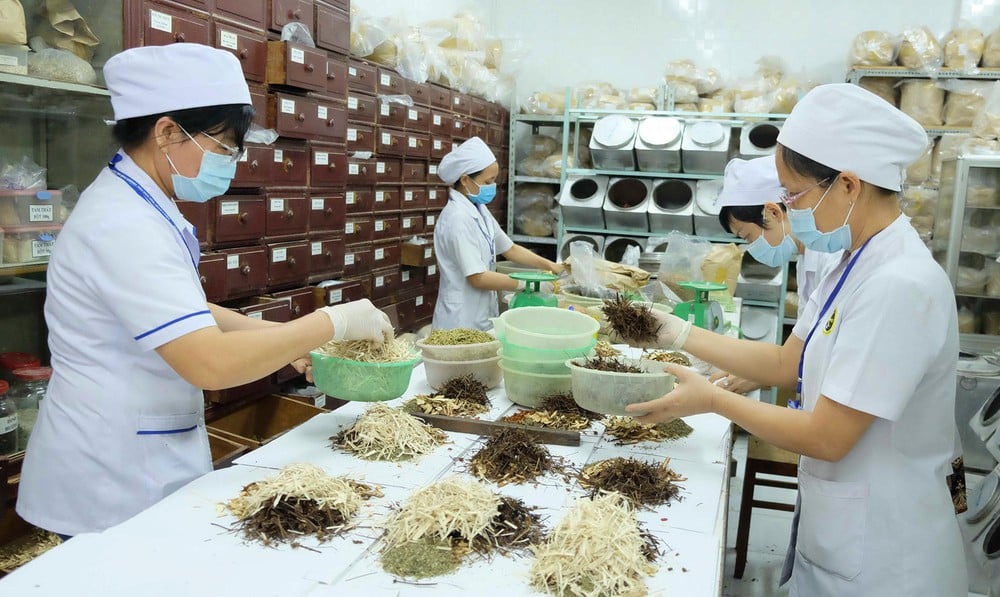
For many people, traditional medicine is not only an alternative when access to modern healthcare is limited, but also a personalized, natural, and preventative approach to health care.
2. Global Summit promoting evidence, governance, and integration
The Second Global Summit on Traditional Medicine was held to promote the implementation of the WHO's Global Strategy for Traditional Medicine 2025-2034. The focus of this strategy is to strengthen scientific evidence, improve the legal framework, integrate traditional medicine into health systems, and promote collaboration, innovation, and community participation.
Speaking at the conference, WHO Director-General Dr. Tedros Adhanom Ghebreyesus emphasized that the WHO is committed to combining millennia of wisdom with the power of modern science and technology to realize the vision of health for all. By engaging responsibly, ethically, and equitably, and by leveraging innovations from artificial intelligence to genetic technology, we can unlock the potential of traditional medicine to deliver safer, smarter, and more sustainable healthcare solutions for all communities and for our planet.
This message clearly demonstrates WHO's consistent stance: not romanticizing traditional medicine, but also not denying its value; instead, adopting a scientific, objective, and inclusive approach.
3. Integrating Traditional Medicine: A Solution to the Problem of Access to Healthcare
Nearly 4.6 billion people worldwide – almost half the global population – lack adequate access to essential health services. Furthermore, over 2 billion people face financial hardship when seeking healthcare. In this context, the WHO believes that integrating traditional medicine into health systems can contribute to expanding access to affordable, people-centered healthcare and support the goal of universal health coverage (UHC).
Emerging evidence suggests that, when applied correctly, traditional medicine can be cost-effective and improve health outcomes, particularly in disease prevention, health promotion, and chronic disease management. A focus on prevention also helps reduce the burden of treatment, limit antibiotic overuse, and optimize healthcare resources.
However, the WHO emphasizes that integration does not mean "inclusion at all costs." The prerequisites are a solid scientific foundation, global standards for quality and safety, and robust management and monitoring mechanisms.
4. Modern science and traditional medicine: Not opposed, but complementary.
According to Dr. Sylvie Briand (WHO expert), traditional medicine and modern biomedicine need to be evaluated with the same level of scientific rigor. This includes verifying efficacy, safety, and mechanisms of action, while respecting biodiversity, cultural specificity, and ethical principles.
A new aspect of the WHO's strategy is the encouragement of the application of advanced technologies – such as artificial intelligence, genomics, systems biology, neuroscience, and big data analytics – to research and development in traditional medicine. These tools can open up entirely new approaches, helping to decipher the mechanisms of action of traditional remedies, herbs, and therapies, thereby enhancing their reliability and applicability in clinical practice.
5. Promoting innovation, investment, and sustainable benefits.
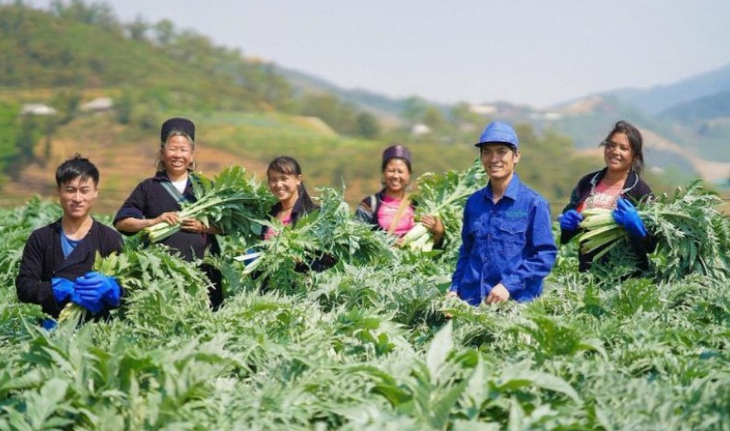
Indigenous communities, which make up only about 6% of the global population, are protecting as much as 40% of the world's biodiversity.
Traditional medicine is not only a healthcare field, but also forms the foundation of many rapidly growing global industries, most notably herbal medicine. The WHO states that all traditional medicine preparations and more than half of all current biopharmaceuticals are derived from natural resources.
Notably, indigenous communities – which make up only about 6% of the global population – are protecting 40% of the world's biodiversity. This demonstrates the close link between traditional medicine, nature conservation, and sustainable development. Therefore, promoting traditional medicine must go hand in hand with protecting the rights of indigenous peoples, ensuring fair trade, and sharing the benefits of traditional knowledge equitably.
6. Research gaps and strategic steps for the WHO
Despite its widespread use, less than 1% of current global medical research funding is allocated to traditional medicine. This gap leads to a lack of evidence, limits innovation, and hinders the integration of traditional medicine into the mainstream healthcare system.
To bridge that gap, the WHO launched the Global Library of Traditional Medicine – the first of its kind – with over 1.6 million scientific documents relating to research, policy, regulations, and diverse applications of traditional medicine. The library was developed in response to calls from heads of state at the G20 and BRICS summits in 2023.
Notably, this platform provides equal online access for organizations in low-income countries through the Research4Life initiative, while also supporting countries in trademark registration, intellectual property protection, and scientific capacity building to promote innovation.
According to Dr. Shyama Kuruvilla, Director of the WHO's Global Centre for Traditional Medicine, promoting traditional medicine is not just an option, but an urgent requirement based on evidence, ethics, and environmental protection. This summit is expected to announce new commitments from governments and stakeholders, and call for the formation of a global alliance to address systemic shortcomings and accelerate the implementation of a large-scale traditional medicine governance strategy.
The second WHO Global Summit on Traditional Medicine marked a significant shift: traditional medicine is no longer on the sidelines, but is gradually becoming a responsible part of the modern health system. When guided by science, with transparent governance and global cooperation, traditional medicine can make a practical contribution to universal health care, sustainable development, and harmony between humanity and nature.
Readers are invited to read more:
Source: https://suckhoedoisong.vn/who-thuc-day-hoi-nhap-y-hoc-co-truyen-vao-he-thong-y-te-toan-cau-169251218110437343.htm


![[Photo] Prime Minister Pham Minh Chinh attends the Conference on the Implementation of Tasks for 2026 of the Industry and Trade Sector](/_next/image?url=https%3A%2F%2Fvphoto.vietnam.vn%2Fthumb%2F1200x675%2Fvietnam%2Fresource%2FIMAGE%2F2025%2F12%2F19%2F1766159500458_ndo_br_shared31-jpg.webp&w=3840&q=75)
























































Comment (0)