

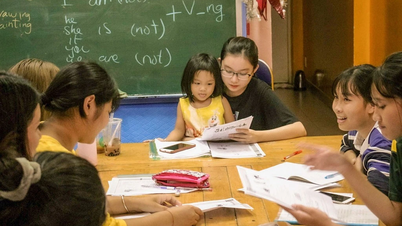
The Ministry of Education and Training's tightening of regulations on extracurricular tutoring under Circular 29 has received widespread support from various segments of society, including parents, students, and teachers.
The regulations on managing extracurricular tutoring under Circular 29 aim to eliminate long-standing inconsistencies in this area. Therefore, the public is hoping that education leaders will take strong action to ensure that extracurricular tutoring becomes more substantive, orderly, and regulated. Strong action would effectively address many of the paradoxes in education stemming from extracurricular tutoring.
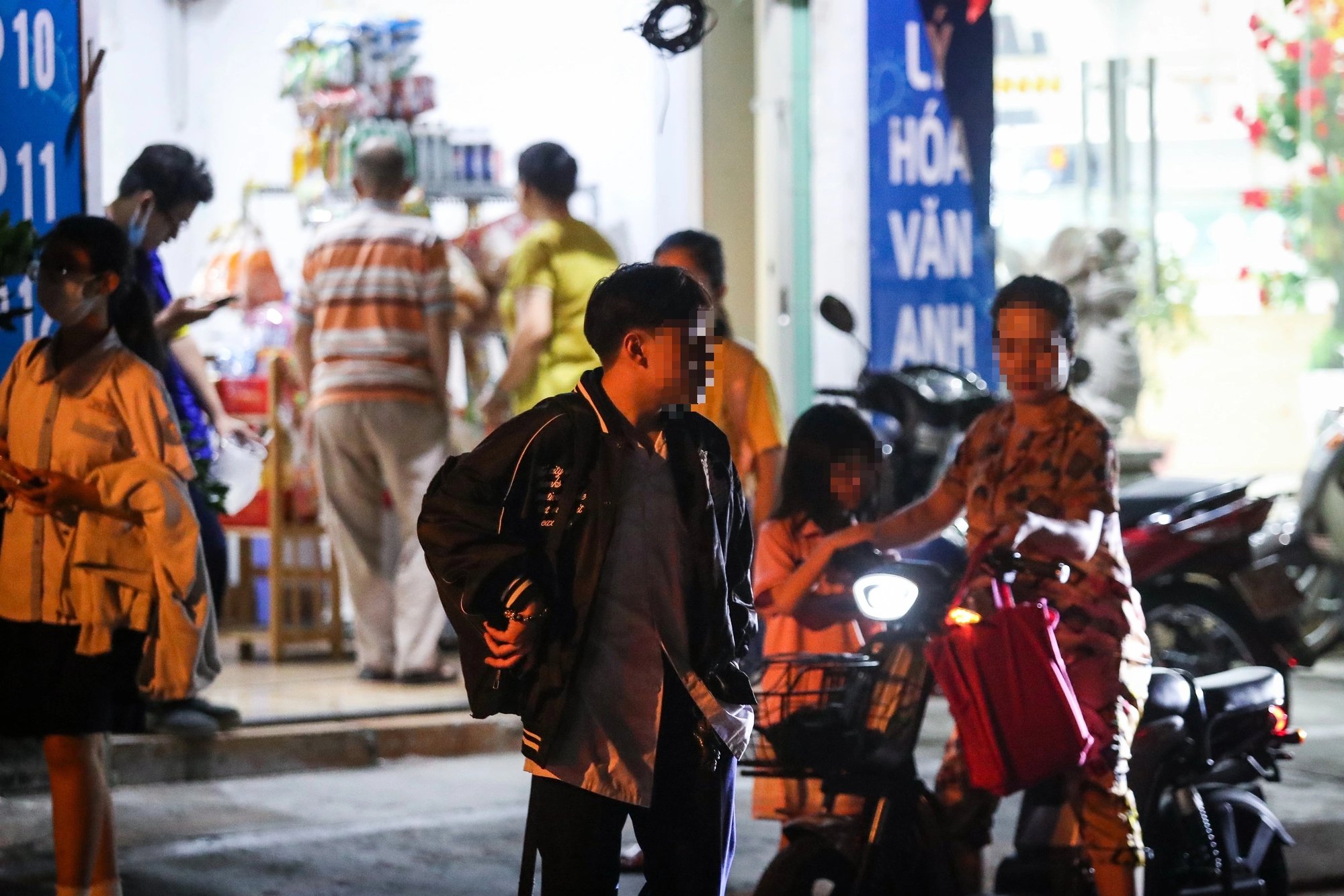
Tutoring and supplementary classes are regulated by Circular 29, which includes several new points aimed at curbing long-standing negative practices in this field.
Firstly, excessive tutoring by students will stifle their self-learning habits, skills, and methods. Restricting tutoring doesn't mean completely banning it for some students, but it will help them re-evaluate and become more aware of the importance of self-learning. The lack of self-learning spirit among students is paradoxical because, with today's digital technology, students can easily learn, discover, and consolidate their knowledge independently.
Secondly, the current approach to structuring the general education curriculum emphasizes skills rather than excessive knowledge. Teaching methods, timetables, and subjects are geared towards cultivating qualities, attitudes, skills, and behaviors. Therefore, the widespread practice of supplementary tutoring to reinforce knowledge, as seen today, contradicts modern educational principles and only creates an overload and burden for learners, especially elementary school students.
Thirdly, the assessment of learning outcomes in schools under the 2018 General Education Program no longer prioritizes certain subjects over others; all subjects are given equal attention. Classroom performance is no longer ranked from highest to lowest. Therefore, students (especially at the primary level) taking extra classes in subjects considered core subjects is illogical and goes against the principle of holistic education. If too much emphasis is placed on certain subjects in primary and secondary school, students will have a significant knowledge gap when they reach high school.
Except for the final year of junior high school, which requires extra tutoring for the entrance exam to grade 10, and high school students who need extra tutoring to increase their chances of getting into university, it must be acknowledged that students are the "victims" of their parents. Parents compete with each other regarding their children's academic performance, comparing them to other parents' children, thus placing a heavy burden of academic pressure on their children, especially elementary school students.
Furthermore, the negative aspects of students being forced to attend extra classes cannot be ignored. A high school math teacher in Ho Chi Minh City frankly admitted: "Students who attend extra classes with their teachers score high on tests in class. Conversely, those who don't attend extra classes don't know what the upcoming test questions will be." The author of this article also has a small experience: from elementary school to junior high school, I never knew about extra classes. In high school, I didn't participate in any extra classes either, only attending free provincial-level gifted student exam preparation classes taught by the school, but I'm still haunted by the injustice from my teachers. That is, students who attend extra classes get high scores because they practiced the test questions in those extra classes.
Eliminating the irrationalities of tutoring and extra classes is also a humane way to foster a pure relationship between teachers and students.
Source: https://thanhnien.vn/siet-day-them-hoc-them-xoa-so-nhung-bat-hop-ly-trong-giao-duc-185250222162441289.htm


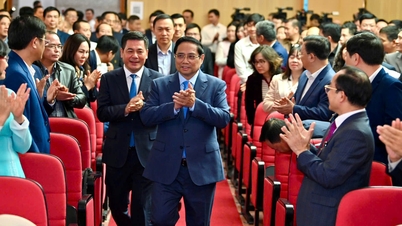
![[Photo] Prime Minister Pham Minh Chinh attends the Conference on the Implementation of Tasks for 2026 of the Industry and Trade Sector](/_next/image?url=https%3A%2F%2Fvphoto.vietnam.vn%2Fthumb%2F1200x675%2Fvietnam%2Fresource%2FIMAGE%2F2025%2F12%2F19%2F1766159500458_ndo_br_shared31-jpg.webp&w=3840&q=75)





















































Comment (0)