

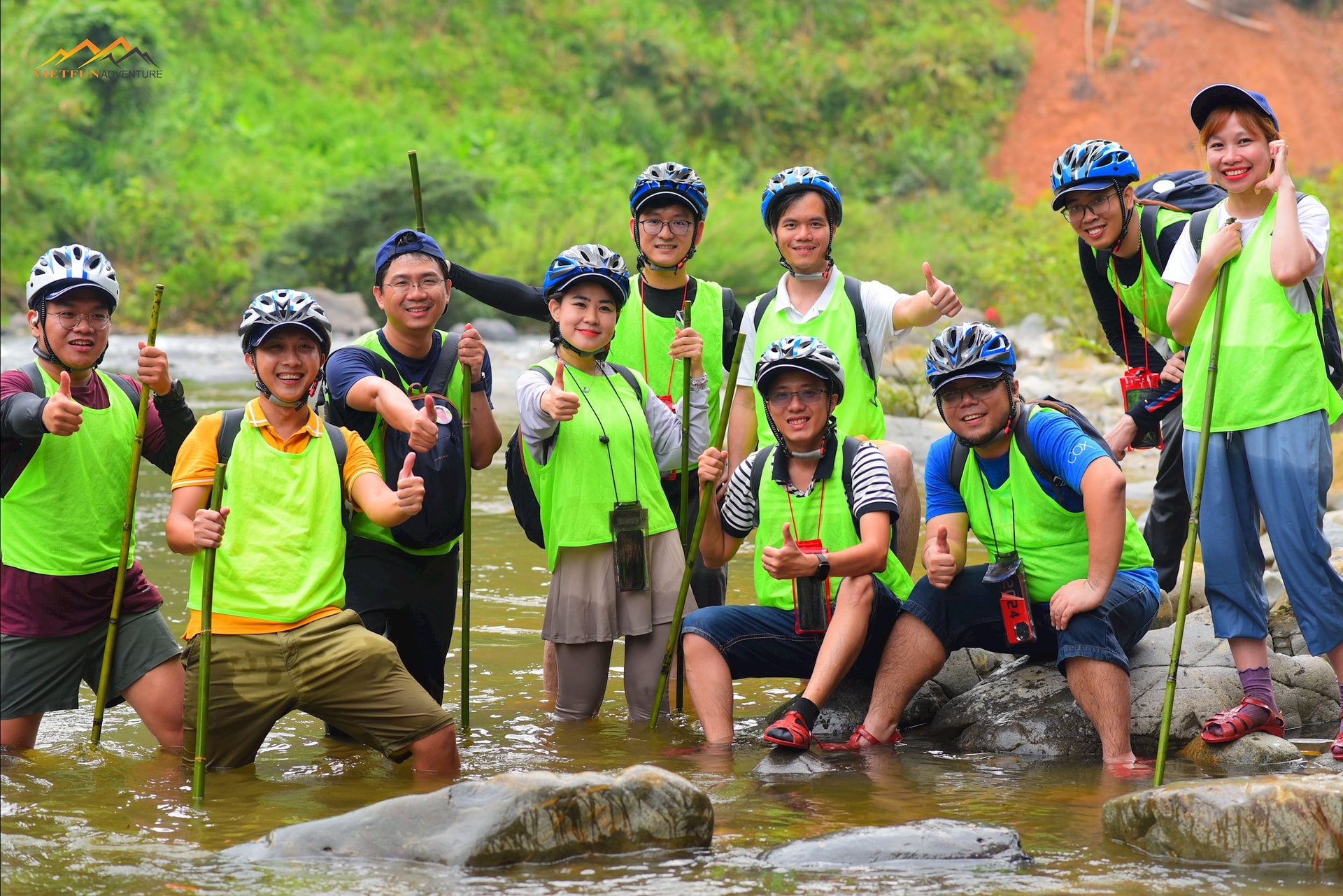
Solutions for tourism overcrowding
At the Horecfex Da Nang 2025 event, speaker Maeve Nolan - Product Director of EXO Travel Vietnam, in the discussion session on trending travel trends in 2026, stated that finding alternative destinations is becoming a concern not only for travelers but also for destination management agencies globally.
According to a recent report from Expedia and Booking.com, over 60% of global travelers prefer to explore peaceful, lesser-known destinations that still share similarities and evoke similar emotions as well-known landmarks.
For example, Albania is emerging as an alternative to Italy, with its pristine Adriatic coast and lower costs, allowing travelers to avoid the crowds in Venice or Rome while still enjoying ancient architecture and Mediterranean cuisine.
Meanwhile, Puglia in southern Italy is considered an alternative to the Amalfi Coast, with its impressive limestone landscapes, quaint villages, and abundant local produce, but with a lower tourism density, minimizing environmental impact and supporting community development.
Within a single country, in Thailand, instead of going to Bangkok, tourists can choose Pattaya. In Indonesia, they can avoid the familiar Bali and explore Lombok, a less well-known island with many unspoiled beaches, along with a unique Sasak culture and unusual activities such as trekking to the summit of Mount Rinjani…
This shift in tourism consumption behavior has contributed to "rescuing" destinations degraded by overexploitation, while simultaneously activating the potential of surrounding areas, reallocating resources, promoting socio-economic balance in the industry, and contributing to the achievement of sustainable development goals as set forth by the World Tourism Organization (UNWTO).
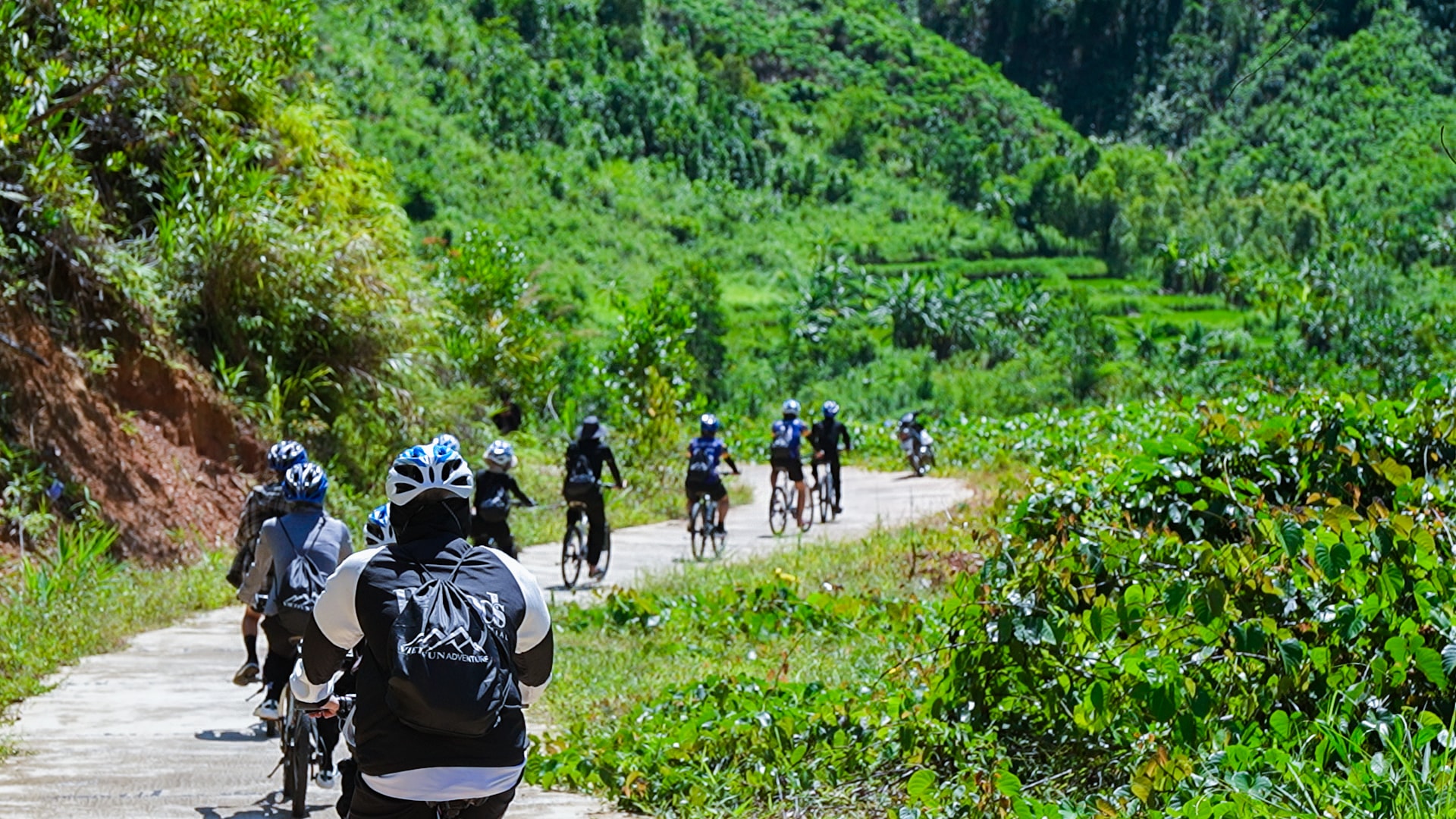
Opportunities to revitalize Da Nang as a tourist destination.
According to Dr. Tran Nien Tuan, lecturer at the Faculty of Tourism, University of Economics (Da Nang University), Da Nang has the most beautiful beaches on the planet, a diverse ecosystem of forests, mountains, rivers and lakes, and a vast area after the merger, with many pristine areas that have rich potential for developing new tourist routes to reduce pressure on existing "hot spots".
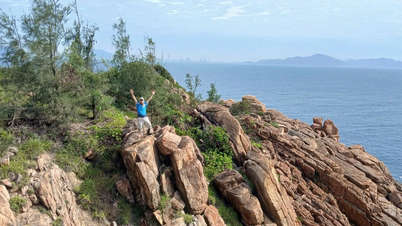
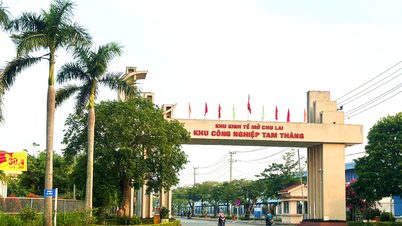
Tourists can explore lesser-known ancient villages in Hoa Vang instead of Marble Mountains or Hoi An, or enjoy pristine beaches like Bac Beach, Rang Beach, Tam Hai Beach, and Tam Thanh Beach to ease the congestion at My Khe Beach. Experiencing a trekking trip through the Truong Son mountain range via Tay Giang is also a great suggestion, in addition to Ba Na Hill…
“Promoting alternative destinations will help reduce pressure on central areas – which are facing the risk of accommodation and traffic overload – while creating momentum for the economic development of rural and mountainous areas through community-based tourism products such as eco-homestays or organic farming tours, in line with the city's tourism development orientation in the new phase,” Dr. Tran Nien Tuan observed.
Tourism experts suggest that, to fully capitalize on this trend, Da Nang needs to implement comprehensive solutions. First, it should invest in connecting infrastructure, expand the public transportation network and eco-friendly trails, linking alternative destinations to the city center without disrupting the natural ecosystem.
Secondly, implement tourism promotion and stimulus activities based on the message of diverse destinations, "one destination - multiple experiences," actively introducing and guiding tourists towards new options, linking them to rural areas, mountainous regions, and lesser-known coastal and island areas. Strengthen cooperation with multimedia platforms, travel bloggers, and influencers to spread authentic and novel experiences about the city's "hidden gems."
Developing new tourism products linked to biodiversity, researching and building tourism villages, stimulating tourism ecosystems in suburban areas, planning and developing some nature conservation forests into tourist areas based on compliance with green and sustainable standards.
Simultaneously, policies should be developed to support local businesses, including training in sustainable tourism management skills and tax incentives for green projects, encouraging mountainous and rural communities to participate in sustainable tourism activities, thereby enhancing the value of local culture and promoting the circular economy.
Developing alternative destinations does not mean repetition, but rather serves as a foundation for Da Nang to revitalize its tourism industry, attracting visitors based on its diverse beauty and sustainable commitments.
Source: https://baodanang.vn/xu-huong-diem-den-thay-the-3302806.html

























































































Comment (0)