

Fish, oysters, dark green vegetables, fruits rich in vitamin C, soybeans, garlic, fermented foods, and bone broth can all help supplement collagen in the body.
According to Dr. Tran Ngoc Phuong, Department of Aesthetic Dermatology, Ho Chi Minh City Dermatology Hospital, collagen is located in the dermis and is the main component of connective tissue that supports the skin's structure. Collagen helps the skin stay plump, healthy, and youthful.
As we age, the body produces less collagen because natural enzymes break it down. This causes the skin to thin, lose its firmness, and develop wrinkles. Additionally, sunlight, environmental pollution, free radicals, and cigarette smoke also contribute to collagen breakdown.
The body constantly produces new collagen to repair skin damage, but natural collagen production begins to decline after age 30, and the quality also deteriorates. This collagen deficiency can be compensated for through skincare and treatment. Additionally, diet plays a role in increasing collagen production.
Here are 11 foods that help boost collagen, according to Dr. Phuong.
Protein
Collagen is made up of 19 types of amino acids. Therefore, a diet rich in protein will provide the necessary raw materials for the body to produce collagen. High-quality animal proteins such as chicken and beef should be chosen.
Egg whites are also a great option. Besides providing the body with essential protein, egg whites are rich in lysine and proline. Therefore, including eggs in your diet can support the body's natural collagen production.
Fish
Tuna and salmon are rich in omega-3 fatty acids. Skin cells are covered by a protective layer of fat. When skin cells are healthy, the fat supports the skin's structure. Therefore, eating fish is very good for the body.
Oysters
Oysters are rich in copper, manganese, and zinc, three minerals that play a crucial role in collagen production. They also contain other nutrients such as iron and vitamin B12. Therefore, they are a low-calorie and highly beneficial choice for health.
Dark green vegetables
Dark green leafy vegetables like spinach and kale can help the body boost collagen production because they are rich in vitamin C, which has antioxidant properties and stabilizes enzymes that break down collagen. They also fight free radicals to prevent collagen damage.
Red vegetables
Tomatoes, peppers, and beets contain the antioxidant lycopene, which enhances the body's defenses against sun damage. Lycopene acts as a natural sunscreen, both protecting the skin from damage and increasing collagen levels in the skin.
Orange vegetables
Orange-colored vegetables like carrots and sweet potatoes are rich in vitamin A, which helps repair and regenerate damaged collagen.
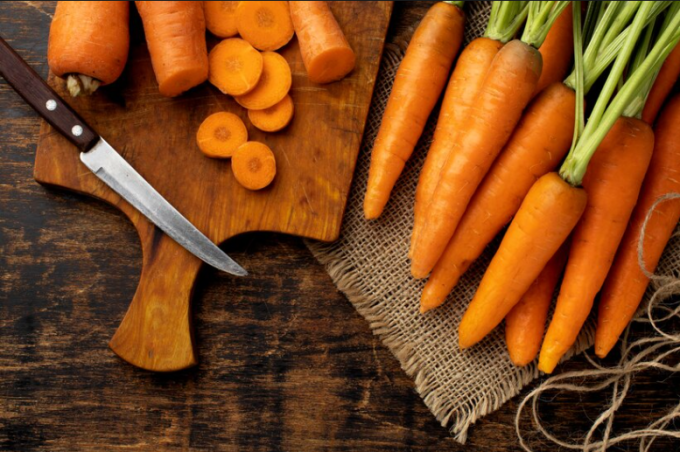
Carrots are rich in vitamin A, which helps repair and regenerate damaged collagen. Photo: Freepik
Fruits rich in vitamin C
Studies show that fruits rich in vitamin C can help convert the amino acids lysine and proline into collagen. Guava and kiwi, citrus fruits, berries, and green vegetables are excellent sources of vitamin C.
The antioxidant properties of vitamin C help neutralize free radicals, preventing them from breaking down collagen and elastin in the skin.
Soybeans
Soy milk, cheese, and tofu, all made from soybeans, contain genistein (a plant hormone that acts as an antioxidant), which promotes collagen production and helps inhibit enzymes like MMP, which can cause skin aging.
Garlic
Garlic is an excellent source of sulfur, which is essential for collagen production in the body. Garlic also provides lipoic acid and taurine, which help regenerate damaged collagen fibers.
Fermented foods
Fermented foods such as fermented soybeans, yogurt, sauerkraut, and fermented tea (kombucha) contain lactobacillus, a probiotic strain of bacteria that produces the enzyme superoxide dismutase. This is a powerful antioxidant that can prevent collagen breakdown by reducing the production of free radicals.
Bone broth
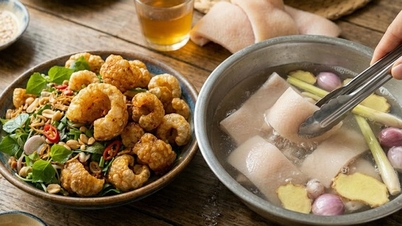
Bone broth can be an alternative to collagen peptides. Collagen released from beef, chicken, or fish bones during cooking provides a collagen-rich mixture that can be used as a seasoning or added to sauces.
America and Italy
Source link
![[Photo] General Secretary and President To Lam presides over the meeting to approve the draft report on the results of the second inspection by the Politburo of the Standing Committee of the Hanoi City Party Committee.](https://vphoto.vietnam.vn/thumb/1200x675/vietnam/resource/IMAGE/2026/05/26/1779789811432_a2-bnd-4430-9620-jpg.webp)






































































































Comment (0)