

The most important forms of omega-3s include ALA, EPA, and DHA. Omega-3 deficiency often doesn't cause obvious symptoms. Signs usually appear subtly and are easily mistaken for stress, aging, or other common health problems. Therefore, many people are deficient in omega-3s for extended periods without realizing it, according to the health website Healthline (USA).
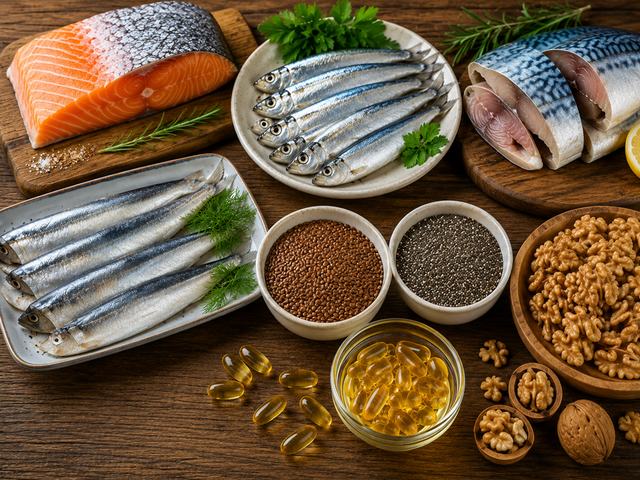
Salmon, mackerel, flax seeds, chia seeds, walnuts... are all foods rich in omega-3 fatty acids.
PHOTO: N. Quy created using AI
Here are some warning signs that your body is lacking omega-3s.
Persistent dry, flaky skin
The skin is one of the organs that can show early signs of omega-3 deficiency. These fatty acids help maintain the skin's natural protective barrier, retain moisture, and limit water loss through the skin's surface.
When the body doesn't get enough omega-3s, the skin can become dry, flaky, or more easily irritated than usual. Some people notice their skin losing its softness, elasticity, or frequently developing red and itchy patches despite using skincare products.
Dry eyes
Many people believe that dry eyes are simply a consequence of excessive computer or phone use. However, this condition is sometimes also related to a deficiency in omega-3 fatty acids.
DHA is an important component in the structure of the retina, while EPA and DHA participate in regulating inflammatory responses on the surface of the eye. When omega-3 levels decrease, the quality of the tear film can be affected, leading to persistent dryness, burning, or gritty sensations in the eyes.
A study published in the Journal of Clinical Medicine showed that omega-3 supplementation may help improve dry eye symptoms in a variety of individuals. If your eyes are frequently irritated even after adequate rest or without any obvious ophthalmological condition, this is a sign that should not be ignored.
Persistent joint pain or stiffness
Omega-3s are known for their ability to regulate inflammatory responses in the body. In some people, when omega-3 levels are low, inflammatory processes may become more intense.
Many people believe that joint pain is only related to age or overexertion. However, a diet lacking in omega-3s can also contribute to increased pain or stiffness in the joints, especially in those with chronic inflammatory conditions.
Groups at high risk of omega-3 deficiency include people who eat little fish, vegetarians, or vegans who do not supplement with adequate sources of omega-3s. Additionally, people with medical conditions that impair fat absorption and older adults with poor diets are also more susceptible to omega-3 deficiency, according to Healthline .
Source: https://thanhnien.vn/3-dau-hieu-co-the-thieu-omega-3-ma-nhieu-nguoi-de-bo-qua-185260531133936856.htm


![[Photo] Delegation attending the 14th Congress of the Vietnam Trade Union visits the Mausoleum of President Ho Chi Minh.](https://vphoto.vietnam.vn/thumb/1200x675/vietnam/resource/IMAGE/2026/06/03/1780451842301_ndo_br_img-3824-jpg.webp)










































































































Comment (0)