

1. Why do omega-3s cause belching and heartburn?
- 1. Why do omega-3s cause belching and heartburn?
- 2. How to fix it
- 2.1. Choose the right type of product.
- 2.2. Timing and method of consumption
- 2.3. Additional tips to help reduce fishy-smelling burps
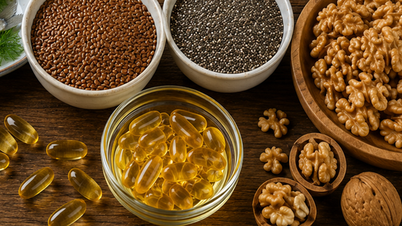
When using omega-3 supplements, some people may experience belching with a fishy odor. This is because some undigested fish oil can reflux from the stomach into the esophagus, causing discomfort and leaving a fishy taste in the mouth.
Additionally, omega-3s may also be linked to heartburn or gastroesophageal reflux in some sensitive individuals. The fatty acids in fish oil can reduce the tone of the lower esophageal sphincter—a structure that prevents stomach acid from refluxing. When this sphincter relaxes, stomach acid can more easily flow back up into the esophagus, causing a burning sensation behind the breastbone or chest discomfort.
Several factors can increase the risk of developing these symptoms:
Product quality: Oxidized fish oil products or those containing many impurities may cause more gastrointestinal irritation than products that are properly refined and preserved.
Take on an empty stomach: Taking omega-3s before meals may increase the risk of gastrointestinal discomfort, including belching and reflux.
Taking a high dose at once: Ingesting the entire dose of omega-3s at once can put a strain on the digestive system, thereby increasing the risk of upper gastrointestinal symptoms.
Lying down immediately after drinking: Lying down reduces the effect of gravity in keeping food and gastric juices in the stomach, making reflux more likely to occur.

Omega-3s are among the most beneficial nutrients for cardiovascular health, brain function, and joint health.
2. How to fix it
To minimize belching or heartburn, users should take omega-3 during or immediately after meals, dividing the dose if needed, and avoiding lying down within 2-3 hours after use. Additionally, it's important to choose products from reputable sources, meeting quality standards, and stored properly, specifically:
2.1. Choose the right type of product.
The formulation of omega-3s significantly affects gastrointestinal tolerance. Reesterified triglyceride fish oil has a structure closest to the natural form in fish, is absorbed more quickly, and is less likely to cause reflux than the ethyl ester form.
One worthwhile option is enteric-coated capsules, designed with a special coating that prevents the capsule from dissolving in the stomach and instead dissolves in the small intestine, further away from the esophagus. Numerous meta-analysis studies have confirmed that this dosage form significantly reduces digestive symptoms compared to conventional capsules.
Furthermore, prioritizing products that undergo molecular distillation to remove impurities and oxidation products is also an important factor that should not be overlooked.
2.2. Timing and method of consumption
Changing your omega-3 intake habits often yields noticeable improvements, even without changing the product. The most important thing is to take omega-3s immediately after a meal containing healthy fats, such as avocados, nuts, or olive oil. The fats in food help slow gastric emptying, thereby minimizing esophageal sphincter relaxation and reducing reflux.
After drinking, you should sit or stand upright for at least 30 minutes so that gravity helps keep the oil and acid in the correct position in your stomach. If you have a habit of drinking in the evening, make sure to drink at least two hours before going to bed to avoid reflux when your body is lying down.
Another simple adjustment is to divide the dose instead of taking it all at once, perhaps into two doses, one in the morning and one in the evening. This reduces the burden on the digestive system, and many people report significant symptom improvement with this adjustment alone, without needing to switch products.
2.3. Additional tips to help reduce fishy-smelling burps
In addition, you can apply some of the following tips:
- Refrigerating capsules before use is a simple yet effective method: Cold capsules dissolve more slowly in the stomach, reducing the amount of oil that comes into contact with the esophageal sphincter at any given time.
- Drinking a full glass of water with the capsule helps to push it down into the stomach faster, preventing the oil from coming into contact with the throat and upper esophagus.
- Swallowing the tablet quickly instead of letting it sit near the tongue or throat for too long also reduces the fishy taste immediately.

After drinking, you should sit or stand upright for at least 30 minutes so that gravity helps keep the oil and acid in the correct position in your stomach.
For those who frequently experience gastrointestinal discomfort when taking fish oil, other omega-3 supplements may be worth considering after consulting with a healthcare professional.
Krill oil is a popular alternative. The omega-3s in krill oil are primarily in the form of phospholipids, which disperse well in water and may be better tolerated by some people. Some studies suggest that krill oil tends to cause less belching or a fishy aftertaste than traditional fish oil.
Seaweed oil is a source of DHA, and some products also contain EPA, derived entirely from microalgae. It's a suitable option for vegetarians, vegans, or those who prefer not to consume seafood-based products. Seaweed oil also tends to have less of a fishy odor and less gastrointestinal discomfort compared to some fish oil preparations.
However, absorption efficiency and tolerance levels can vary from person to person. Users should choose products from reputable sources, with verified quality, and use them in dosages appropriate to their health needs.
Most cases of belching and heartburn related to omega-3s can be managed at home with the adjustments mentioned above. However, you should see a doctor immediately if you experience severe or prolonged chest pain, difficulty swallowing, unexplained weight loss, or signs of gastrointestinal bleeding. These symptoms may indicate a more serious condition requiring specialist evaluation.
Please check out more videos of interest:
Source: https://suckhoedoisong.vn/vi-sao-uong-omega-3-bi-o-hoi-va-cach-khac-phuc-169260531111946629.htm




























![[Photo] Reception to welcome General Secretary and President To Lam and his wife on their State visit to the Philippines](https://vphoto.vietnam.vn/thumb/1200x675/vietnam/resource/IMAGE/2026/06/01/1780295488620_vna-potal-chieu-dai-chao-mung-tong-bi-thu-chu-tich-nuoc-to-lam-va-phu-nhan-tham-cap-nha-nuoc-toi-philippines-8798060-7855-jpg.webp)












































































Comment (0)