

Hyperthyroidism occurs when the thyroid gland produces excess thyroxine (T4) and triiodothyronine (T3) hormones, leading to a 20-30% increase in metabolism, causing weight loss despite increased appetite, rapid heartbeat, tremors, anxiety, fatigue, menstrual irregularities, and a higher risk of osteoporosis. A suitable diet can help improve hyperthyroidism.
1. Dietary principles for people with hyperthyroidism
- Sufficient energy: Although hyperthyroidism increases metabolism, causing weight loss due to the body burning more calories, this condition can be controlled with proper treatment. Therefore, the energy needs of people with hyperthyroidism will vary, but are nearly equivalent to normal levels when the disease is well controlled. Thus, there is no single recommendation regarding the amount of energy that needs to be provided.
Patients need to adjust their food intake according to their physical condition, ensuring they don't lose weight and gradually gain weight as the disease is well controlled, to achieve their ideal weight (ideal weight is the weight to achieve a BMI between 21 and 22). For example, if you are 1.6m tall, your ideal weight would be (1.6 x 1.6) x 21 = 54 kg to (1.6 x 1.6) x 22 = 56 kg (between 54 and 56 kg).

People with hyperthyroidism should consume protein sources like chicken.
- Choose protein sources: If the body doesn't receive enough energy, it will lose muscle mass to produce energy. Therefore, if you have lost or are losing weight, you need to eat more protein to compensate for the lost amount. If your weight is well controlled (no weight loss), the amount of protein needed should be similar to normal.
It's important to choose the right type of protein. In cases of hyperthyroidism, the body needs to be supplied with a type of protein that it can use immediately, such as protein from chicken, fish, shrimp, eggs, meat, milk, soy, and various types of beans.
Limit the consumption of protein sources containing unhealthy fats (such as meat from four-legged animals with fat); limit protein sources high in iodine (such as seaweed and seafood), because in hyperthyroidism, iodine-rich foods can stimulate the thyroid gland to become even more active, harming thyroid health.
However, patients should ask their doctor whether they need to restrict iodine intake, because once the disease is under control, there may no longer be a need to worry about iodine levels in the diet.
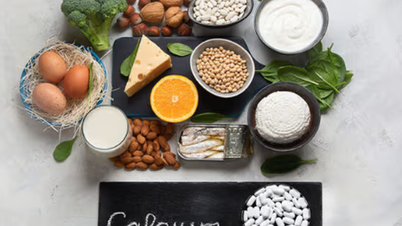
- Sufficient calcium and vitamin D: Excess thyroid hormone reduces bone density, so you need 1000-1200 mg of calcium daily from your diet. Foods rich in calcium include shrimp/small fish, crab, sesame seeds, and broccoli. In addition, sufficient vitamin D is needed to absorb calcium from food. Vitamin D is obtained from fish oil, fatty fish, eggs, mushrooms, and is synthesized by the skin when exposed to sunlight.
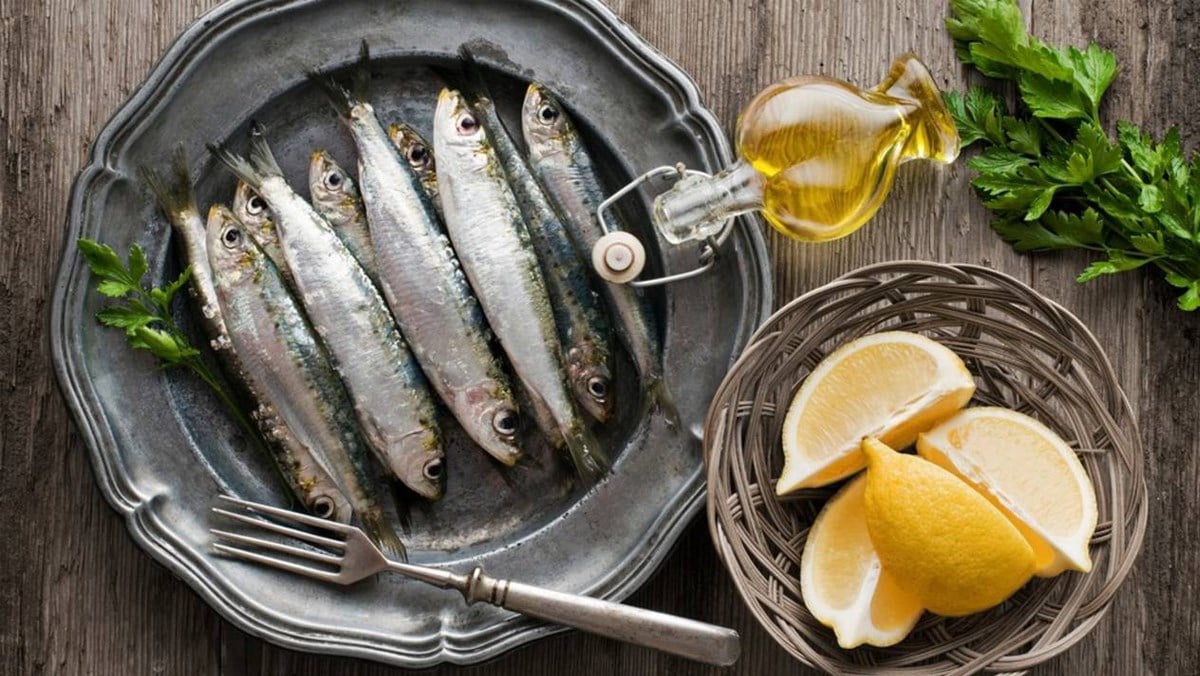
Fatty fish are rich in vitamin D, which helps people with hyperthyroidism absorb calcium from food.
- Increase your intake of foods rich in antioxidants, zinc, selenium, and omega-3s: These nutrients support hormone metabolism and reduce inflammation. Selenium comes from cashews, brown rice, or mushrooms; zinc from lean beef and sesame seeds; and omega-3s from fatty fish and walnuts.
- Drink enough water: Maintain a daily intake of 2-2.5 liters to keep your body adequately hydrated.
- Limit iodine intake as directed by your doctor.
- Reduce/Avoid stimulants: Avoid caffeine from coffee and strong tea; alcohol, spicy foods, or chocolate to reduce rapid heartbeat and anxiety. People with hyperthyroidism can drink herbal tea or lemon water if they want a slightly flavored drink, but these are not a complete replacement for plain water.
- Divide meals into smaller portions: If eating three main meals makes the body feel too full, patients can eat 5-6 smaller meals a day to ensure sufficient energy. These smaller meals can include fruit smoothies, porridge, egg sandwiches, or boiled corn/potatoes. Patients should proactively prepare these smaller meals in advance to use when needed without disrupting their daily routines/work.
2. Suggested meal plan for patients with hyperthyroidism.
This menu provides 1600 kcal for 3 main meals and 500-600 kcal for snacks; patients can flexibly add or subtract to suit their individual needs. Ideally, patients should consult with a nutritionist to design a personalized meal plan.
Meal | Dish | Energy |
Breakfast | Affordable chicken pho: - Rice noodles 180g - 50g chicken meat - Green onions, cilantro, lime leaves | 450 kcal |
Snack 1 | - Banana: 1 small banana - Unsweetened yogurt: 100 ml | 150 kcal |
Lunch | Rice: 1 bowlful Boiled pork leg: 50 g Chicken stir-fry with onions: 50g chicken + 50g onions Stir-fried water spinach: 100g water spinach Green squash soup with meat: 50g green squash + 5g meat Roasted peanuts: 10-12 kernels | 650 kcal |
Snack 2 | Boiled corn: 1 cob | 250 kcal |
Dinner | Rice: 1 bowlful Stir-fried dried shrimp: 1 tablespoon Tofu in tomato sauce: 1 small block of tofu Boiled water spinach: 150 g | 550 kcal |
Snack 3 | Unsweetened fresh milk: 200 ml 1 small taro root | 200 kcal |
See more trending articles:
Source: https://suckhoedoisong.vn/thuc-don-cho-nguoi-benh-cuong-giap-169260601172411274.htm



























![[Photo] Reception to welcome General Secretary and President To Lam and his wife on their State visit to the Philippines](https://vphoto.vietnam.vn/thumb/1200x675/vietnam/resource/IMAGE/2026/06/01/1780295488620_vna-potal-chieu-dai-chao-mung-tong-bi-thu-chu-tich-nuoc-to-lam-va-phu-nhan-tham-cap-nha-nuoc-toi-philippines-8798060-7855-jpg.webp)









































































Comment (0)