

In adults, a normal heart rate when not exercising is between 60 and 100 beats per minute. If the heart rate is higher than 100 beats per minute during normal activity, it is considered tachycardia, according to the health information website Everyday Health (USA).
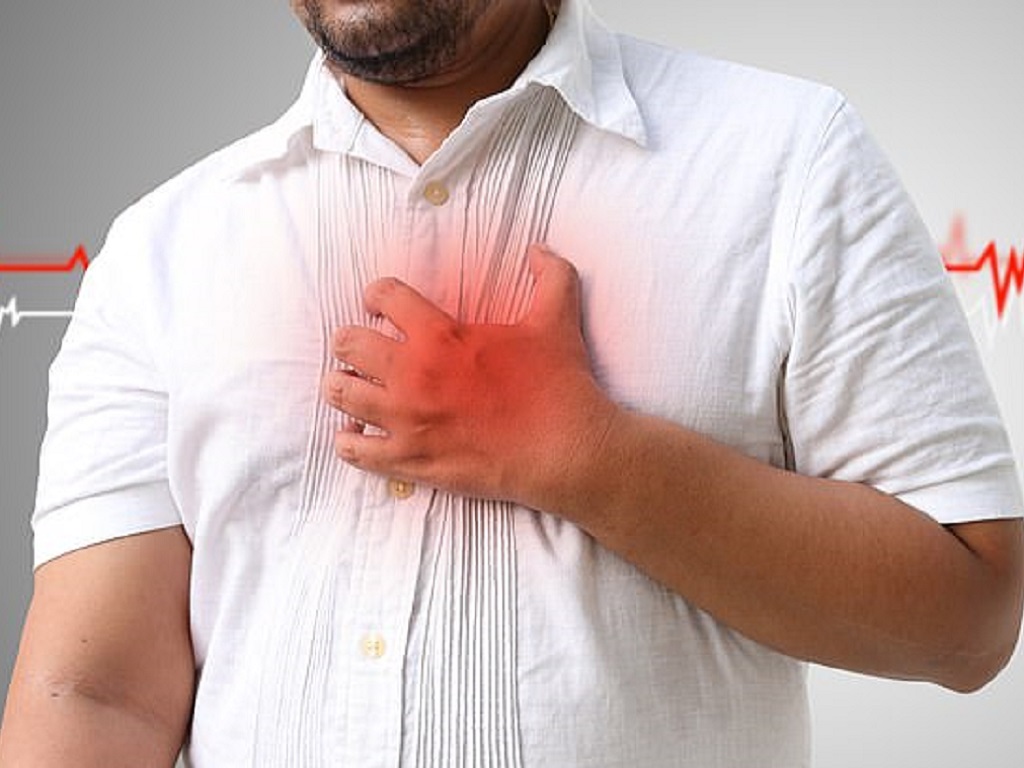
Stress and anxiety are common factors that can lead to a rapid heart rate.
Symptoms of a rapid heart rate include palpitations, a feeling of the heart pounding in the chest, accompanied by fatigue, dizziness, and even fainting. A rapid heart rate can also be an indicator of overall health. A heart rate that is too fast or too slow can both be signs of health problems.
Stress and anxiety
Stress and anxiety are common issues that contribute to a rapid heart rate. In particular, long-term anxiety disorders can lead to high blood pressure, arrhythmias, and even heart attacks.
Strong emotional reactions, such as stress and anxiety, can also cause the heart to beat faster, leading to low blood pressure and fainting.
Thyroid disorders
One health problem that can cause a rapid heart rate is a thyroid disorder. The thyroid gland secretes hormones that regulate the body's metabolism. When the thyroid produces too much hormone, it can cause the heart to beat harder and faster, leading to heart rhythm disorders such as atrial fibrillation.
Heart disease
Another medical condition that can cause a rapid heart rate is heart disease. The heart is responsible for pumping blood throughout the body, and when this organ malfunctions, the heart beats faster than normal. In some cases, heart disease will cause serious arrhythmias, such as ventricular tachycardia.
Anemia
Anemia is a condition in which the body lacks healthy red blood cells. When the body doesn't have enough red blood cells to carry oxygen to the tissues, the heart has to work harder to circulate blood, leading to an increased heart rate. In addition, severe iron deficiency can also cause an increased heart rate, left ventricular dysfunction, and even heart failure.
Therefore, if you notice signs of a rapid heartbeat, you should see a doctor for a check-up. By identifying the underlying cause of the rapid heartbeat, the doctor will provide appropriate treatment and prevent complications, according to Everyday Health .
Source link

































































































Comment (0)