

In addition to using phone cases or warranty packages like AppleCare+ to protect their devices, users also need to pay attention to where they store and charge their phones.
Temperature, ambient environment, and daily usage habits can all directly affect the performance and safety of smartphones.
Do not leave or charge your phone near heat sources.
One of the common reasons phones break down quickly is prolonged exposure to high temperatures. Many people only focus on avoiding water or impacts, forgetting that high temperatures can also seriously damage the battery and internal components of the device.
Experts advise against placing or charging phones near heat-generating devices such as ovens, microwaves, electric stoves, or even televisions that are running for extended periods.
Furthermore, seemingly harmless situations can also cause phones to overheat. For example, many people have a habit of charging their phones overnight under their pillows or blankets. This prevents heat from escaping, increasing the risk of battery degradation, device damage, and in some cases, even fire or explosion.
For greater safety, users should charge their phones on a hard, well-ventilated surface and avoid covering the device while it's charging.
Don't leave your phone in the car.
Car interiors can heat up very quickly, especially in the summer or when parked in direct sunlight. Even when parked in the shade, the temperature inside can still be high enough to affect your phone.
According to many studies, cars function like "greenhouses," trapping heat inside and causing temperatures to rise rapidly in a short period of time. When exposed to excessively high temperatures, phone batteries can experience reduced lifespan, swelling, or damage to internal components.
The temperature inside a car can also fluctuate dramatically throughout the day. So even if you don't feel the car is too hot when you leave, a few hours later the temperature inside could still rise to a level that's dangerous for the equipment.
Besides the risk of heat damage, leaving phones or other valuable electronic devices in your car also increases the risk of theft.
Do not leave your phone in the security check tray at the airport.
When going through airport security, many people have a habit of placing their phones directly into the security tray. However, travel experts warn that this can increase the risk of losing or having the device stolen.
While users are focused on retrieving their luggage or moving quickly through the security area, phones can easily be left behind or out of sight.
Instead of placing the phone separately in the tray, experts recommend keeping the device in a zippered compartment of a backpack, handbag, or jacket when going through security screening. After the screening is complete, users should also check immediately to make sure the phone is still in the bag.
This is one of the common situations where many people only discover their phone is missing after they've left the security check area.
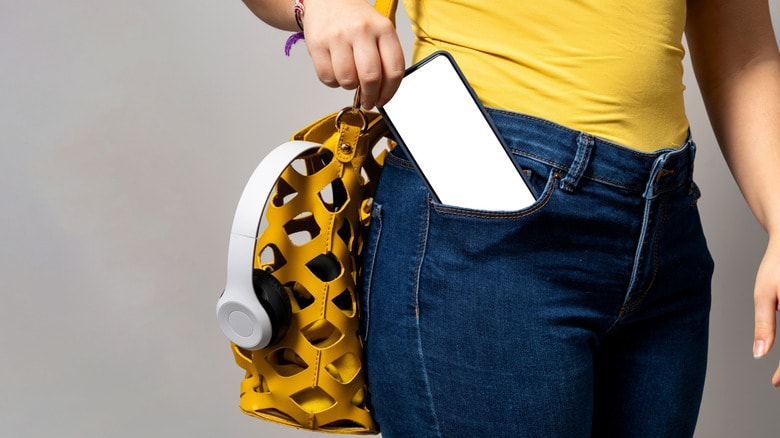
Avoid keeping your phone in your pants pocket for too long.
Keeping your phone in your pocket is a common habit because it's convenient, but this can cause the device to overheat due to prolonged close contact with your body.
In addition, phones emit radio waves, a form of electromagnetic radiation. While there is currently no definitive scientific conclusion about the extent of this radiation's impact on human health, some studies suggest that prolonged exposure may be linked to certain health risks.
Therefore, many experts recommend that users limit keeping their phones close to their bodies for extended periods unless necessary. They can switch to keeping their phones in a handbag, backpack, or placing them on a desk when possible.
In addition, prolonged and continuous phone use can negatively impact users' sleep, mental health, and emotions.
Many seemingly harmless daily phone habits can actually cause the device to degrade quickly or pose potential health risks.
Avoiding leaving your phone in high-temperature areas, limiting direct contact with your body for extended periods, and being more careful when traveling will not only help extend the device's lifespan but also contribute to your own safety.
Source: https://baonghean.vn/4-noi-ban-tuyet-doi-khong-nen-de-dien-thoai-10338550.html
![[Photo] Standing Committee member of the Party Central Committee Tran Cam Tu working with the Central Inspection Committee](https://vphoto.vietnam.vn/thumb/1200x675/vietnam/resource/IMAGE/2026/05/28/1779969579668_ndo_br_bnd-2495-jpg.webp)














































































































Comment (0)