

I have kidney stones and occasionally use traditional Chinese medicine. Will eating water spinach have any negative effects? Please advise, expert. (Hoang Lich - Hanoi )
Traditional medicine practitioner Bui Dac Sang - Hanoi Traditional Medicine Association advises:
Water spinach is a familiar food in the meals of many Vietnamese families. This vegetable is low in calories, rich in fiber, vitamin A, vitamin C, calcium, and antioxidants, so it is considered good for health, especially in helping to control blood sugar in people with diabetes and increasing fiber intake.
According to Traditional Chinese Medicine, water spinach has a slightly sweet taste and a cooling nature. It is very effective in clearing heat, detoxifying, promoting urination, and stopping bleeding. It is used in cases of internal heat, food poisoning, difficulty urinating, blood in urine, nosebleeds, and gastric bleeding.
However, if eaten incorrectly, water spinach can also pose many risks to the body. Be aware of things to avoid when eating water spinach, including the risk of kidney stones.
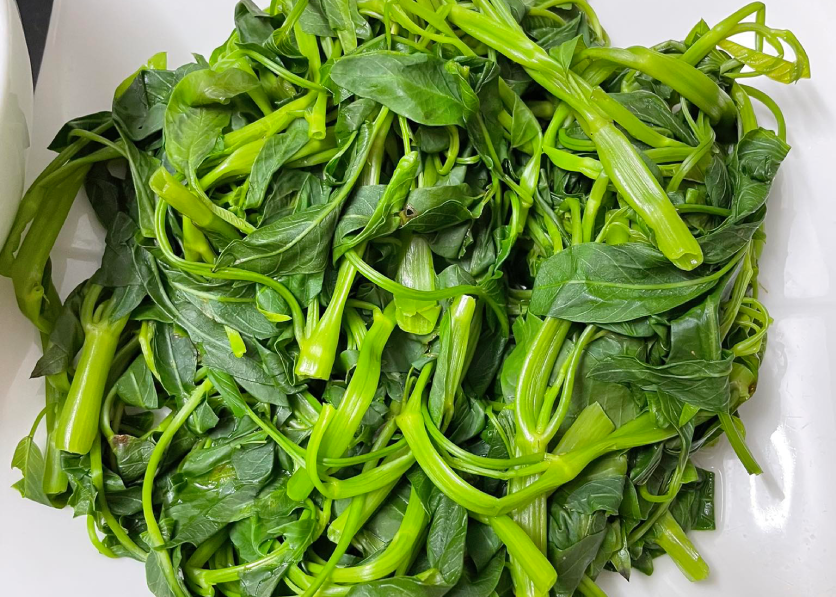
1. Avoid overeating if you have kidney stones, gout, or kidney disease.
Water spinach contains high levels of purines and minerals that may not be suitable for people with gout, kidney stones, urinary tract infections, or impaired kidney function. Eating large quantities of this vegetable can worsen inflammation, pain, and metabolic disorders. People with high blood pressure or kidney disease should consume it in moderation and consult their doctor.
2. Do not eat water spinach when you have an open wound.
According to folk beliefs and clinical experience, water spinach can stimulate tissue proliferation, easily leading to the formation of keloid scars or unsightly dark spots, especially in people with a predisposition to keloid scarring.
People who have recently undergone surgery, have soft tissue wounds, or are in the process of skin healing should limit their intake of this food.
3. Avoid excessive consumption of water spinach if you are undergoing treatment for bone and joint diseases.
People with arthritis and joint pain are advised not to eat too much water spinach, as it can increase inflammation and worsen pain symptoms. A balanced and varied diet is recommended, rather than relying on just one type of vegetable.
4. Do not eat water spinach without consulting a doctor while taking traditional Chinese medicine.
This vegetable may affect the effectiveness of some traditional Chinese medicine remedies, especially those with toxicity or requiring stable absorption. If you are undergoing long-term treatment with traditional Chinese medicine or prescription medication, you should consult your doctor before regularly consuming water spinach.
5. Do not eat raw or undercooked water spinach.
Water spinach grown in water may contain intestinal parasites. If the spinach is not washed thoroughly or not cooked properly, the parasites can enter the body, causing abdominal pain, bloating, indigestion, skin allergies, or digestive disorders. Therefore, you should soak and wash the spinach thoroughly and cook it thoroughly to reduce the risk of infection.
Overall, water spinach remains a highly nutritious vegetable. With a low glycemic index (GI around 10), low calories, and high fiber content, water spinach is suitable for people who need to control their weight or those with diabetes.
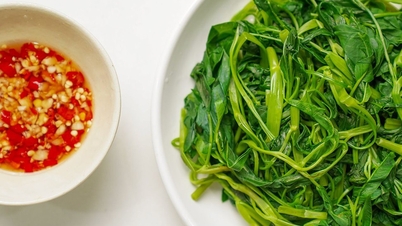
Some popular dishes made with water spinach include: boiled, stir-fried with garlic, stir-fried with beef, and soup. To reap the benefits of water spinach, people should choose fresh, clean vegetables, wash them thoroughly, cook them well, and consume them in moderation.
Source: https://vietnamnet.vn/5-khong-khi-an-rau-muong-de-tranh-hai-suc-khoe-2520701.html



![[Photo] Admire the coral "masterpiece" amidst the million-year-old heritage of Dak Lak province.](https://vphoto.vietnam.vn/thumb/1200x675/vietnam/resource/IMAGE/2026/05/30/1780107638639_y25-jpg.webp)








































































































Comment (0)