

Create a strong password.
According to a 2019 online security survey by Google and Harris Poll, 13% of users use the same password for all their personal accounts. This makes you vulnerable to data theft if your credentials are leaked.
According to Zdnet , using strong passwords is crucial for protecting personal data. Passwords should be at least 12 characters long and contain uppercase and lowercase letters, numbers, and symbols. Experts advise users not to include their full names or phone numbers in their passwords.
Furthermore, users should avoid using the same password for multiple accounts. Some users use password managers to create and remember complex passwords, but caution should be exercised with these applications as they themselves can become targets for hackers.
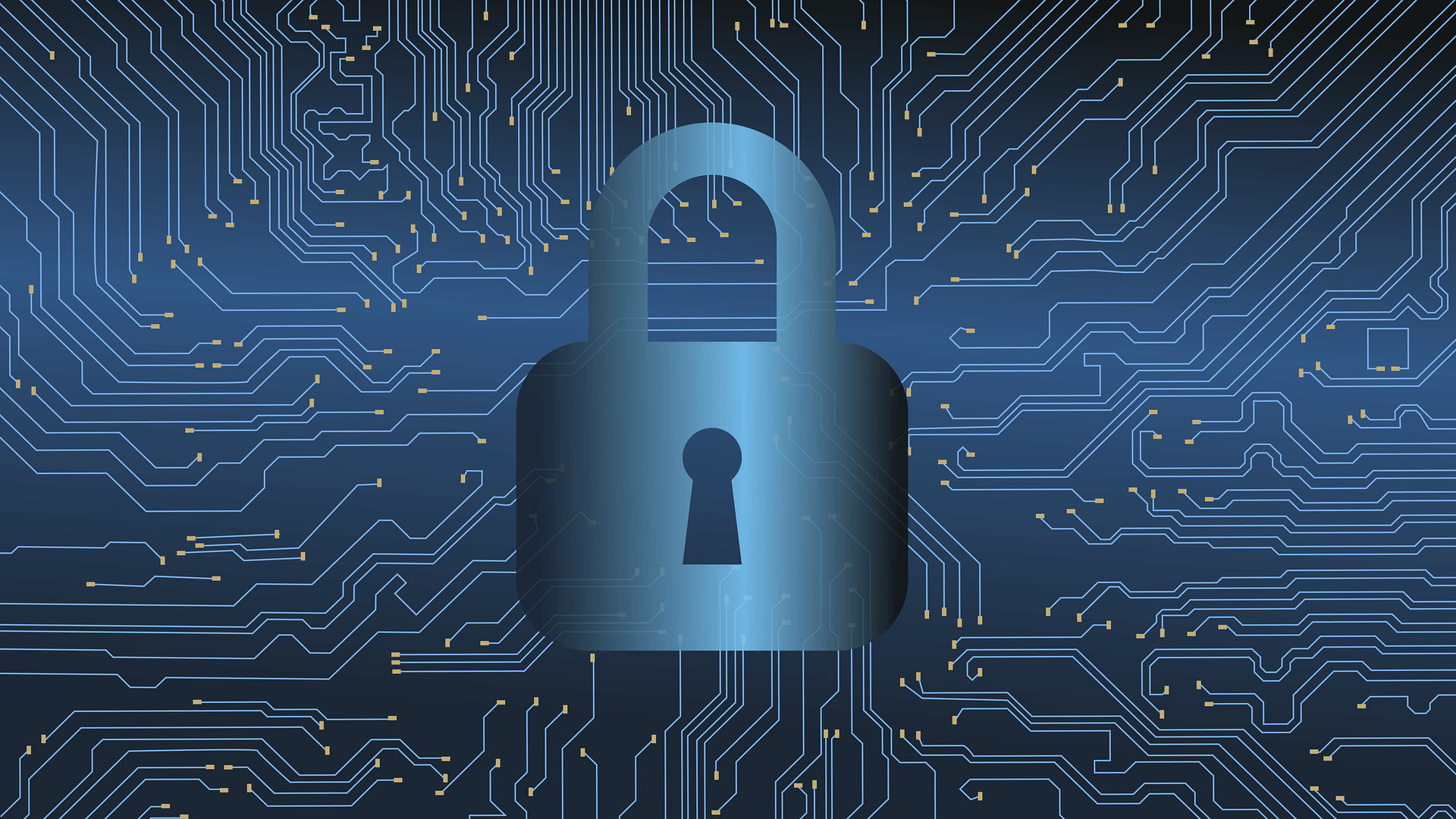
Simple passwords are always easy targets for hackers.
Multi-factor authentication
Multi-factor authentication combines the use of a password with another method, which could be text messaging, an app, or biometric identification. This feature adds an important layer of protection to user accounts.
Experts recommend that users utilize multi-factor authentication for high-security activities such as transferring money or adding information to credit cards. While this process takes a little longer, it provides a safety net to protect you from hackers.
Use a separate email address.
Use two separate email accounts, one for personal use and one for online services and communications. This separation helps minimize the risk of malicious actors gaining unauthorized access to your primary email address containing sensitive information.
Be careful when posting online.
Malicious actors can exploit personal information, photos, videos , and other data that users upload to steal their identities. Therefore, users should adjust their privacy settings on social media and avoid tagging themselves in photos or videos that reveal location or other sensitive information.
Avoid sharing too many details such as your home address, date of birth, or the school your children attend, as hackers can use your information to find your passwords or answer security questions to reset your password.
Use a VPN
Using a Virtual Private Network (VPN) is an effective solution for protecting data. VPNs allow users to maintain anonymity and hide their IP address, a crucial feature for those who need online privacy.
Do not click on strange links.
If you receive a suspicious link from friends or family, ask for clarification before clicking, as their account may have been hacked. These links could contain malicious code or lead to a fake website. Alternatively, you can copy and paste the link into a reputable link checker tool.
Source link

![[Photo] Solemn bathing ceremony and Buddha procession in Hue](https://vphoto.vietnam.vn/thumb/1200x675/vietnam/resource/IMAGE/2026/05/31/1780228263543_1-jpg.webp)
![[Photo] The General Secretary, President and his wife begin their state visit to the Philippines.](https://vphoto.vietnam.vn/thumb/1200x675/vietnam/resource/IMAGE/2026/05/31/1780230559452_anh-man-hinh-2026-05-31-luc-19-28-11.png)
![[Image] Hanoi Police officially crowned champions of V-League 2025/2026](https://vphoto.vietnam.vn/thumb/1200x675/vietnam/resource/IMAGE/2026/05/31/1780244769054_ndo_br_039d561b692be875b13a-jpg.webp)
![[Photo] Admire the coral "masterpiece" amidst the million-year-old heritage of Dak Lak province.](https://vphoto.vietnam.vn/thumb/1200x675/vietnam/resource/IMAGE/2026/05/31/1780221235105_anh-man-hinh-2026-05-31-luc-16-53-27.png)























![[Video] Sunset at Lap An Lagoon – Where the sun sets over the fishing nets](https://vphoto.vietnam.vn/thumb/340x192/vietnam/resource/IMAGE/2026/05/31/1780192137701_beach-landscape-sea-water-nature-grass-745871-pxhere-com.jpeg)





































![[Photo] Admire the coral "masterpiece" amidst the million-year-old heritage of Dak Lak province.](https://vphoto.vietnam.vn/thumb/402x226/vietnam/resource/IMAGE/2026/05/31/1780221235105_anh-man-hinh-2026-05-31-luc-16-53-27.png)






























Comment (0)