

Middle-aged women who eat fewer calories and increase their intake of fiber, protein, and omega-3 fatty acids may support better overall health and weight management.
According to the National Institute on Aging in the United States, menopause is the transitional phase following the end of menstruation due to the natural decline of female reproductive hormones such as estrogen and progesterone. Menopause typically occurs around the ages of 45-55, and the entire transition process can take 7 years or more.
Hormonal changes contribute to a number of problems such as hot flashes, mood swings, weight gain, and decreased bone strength. Paying attention to your diet can help menopausal women manage their weight and feel better.
Pay attention to your calorie intake.
Women's bodies change with age, and so do their calorie needs. A calorie-controlled diet can help balance intake and better manage weight. According to the Mayo Clinic , women in their 50s should aim to eat 200 fewer calories per day to maintain a healthy weight. Eating plenty of whole, plant-based foods also supports a healthy weight.
To manage hunger throughout the day, women can eat smaller meals and snack frequently on fruits, vegetables, whole grains, low-fat yogurt, and other similar foods.
Eat foods rich in fiber.
Whole, plant-based foods offer benefits for maintaining a healthy weight and overall well-being. They are high in fiber, increase feelings of fullness, reduce snacking, and support healthy digestion and weight management.
Women aged 50 and older should consume 22 grams of fiber daily. Healthy food groups include fruits and vegetables, whole grains (oats, whole-wheat bread, barley), legumes (chickpeas, lentils, peas), and nuts.
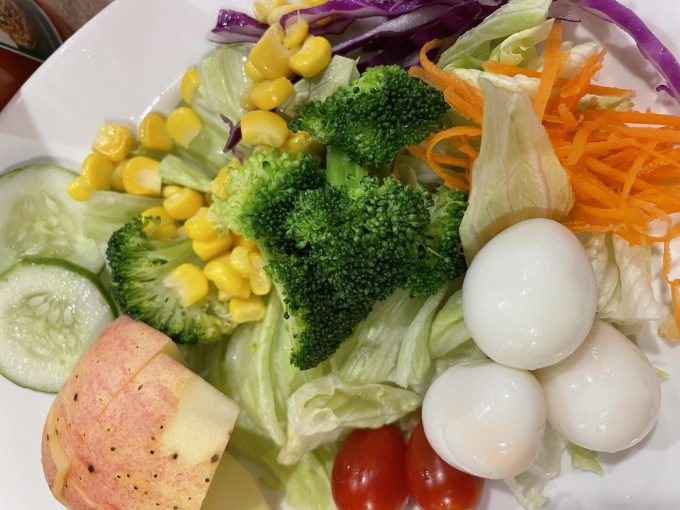
Middle-aged women should eat plenty of fiber from fruits and vegetables and protein from eggs to support weight loss. Photo: Ha Phuong
Increase protein intake
Protein is another important nutrient that needs to be supplemented during menopause because it can compensate for age-related muscle loss. Middle-aged women should supplement 141-170g of protein per day. Suitable protein-rich foods for meals include tofu, tempeh, cereals, quinoa, eggs, yogurt, cheese, nuts, lean meats, etc.
Omega-3
Omega-3s support cognitive function, muscle health, and bone health as we age. They may also reduce the risk of heart disease by lowering cholesterol and triglyceride levels. Foods rich in omega-3s include fish such as salmon, mackerel, tuna, herring, and sardines; nuts such as flaxseed, chia seeds, and walnuts; and vegetable oils including flaxseed oil, soybean oil, and canola oil.
Phytoestrogen supplementation
Phytoestrogens are plant-derived compounds that can act similarly to a form of estrogen in the body. They may reduce menopausal symptoms such as hot flashes and vaginal dryness, which occur in part due to decreased estrogen production in women. Sources of phytoestrogens include soy products (tofu and tempeh), flaxseed, sesame seeds, almonds, and legumes.
Drink enough water.
Older adults are at a higher risk of dehydration, so during menopause, it's crucial to drink plenty of fluids, from water to healthy beverages like herbal teas. Aim to drink approximately 11.5-15.5 cups of fluid per day, or drink whenever you feel thirsty.
Bao Bao (According to Livestrong )
| Readers can ask questions about female physiology here for the doctor to answer. |
Source link
![[Photo] Secretary of the National Assembly Party Committee, Chairman of the National Assembly presides over the meeting of the Standing Committee and Executive Committee of the National Assembly Party Committee.](https://vphoto.vietnam.vn/thumb/1200x675/vietnam/resource/IMAGE/2026/06/03/1780480353201_ndo_br_bnd-2585-jpg.webp)
![[Photo] General Secretary and President To Lam presides over a meeting with the Central Organizing Committee.](https://vphoto.vietnam.vn/thumb/1200x675/vietnam/resource/IMAGE/2026/06/03/1780482764658_a1-bnd-4741-3342-jpg.webp)
![[Photo] First session of the 14th Congress of the Vietnam Trade Union](https://vphoto.vietnam.vn/thumb/1200x675/vietnam/resource/IMAGE/2026/06/03/1780465947883_ndo_br_img-3852-jpg.webp)












































![[Video] Sunset at Lap An Lagoon – Where the sun sets over the fishing nets](https://vphoto.vietnam.vn/thumb/1200x675/vietnam/resource/IMAGE/2026/05/31/1780192137701_beach-landscape-sea-water-nature-grass-745871-pxhere-com.jpeg)
























Comment (0)