

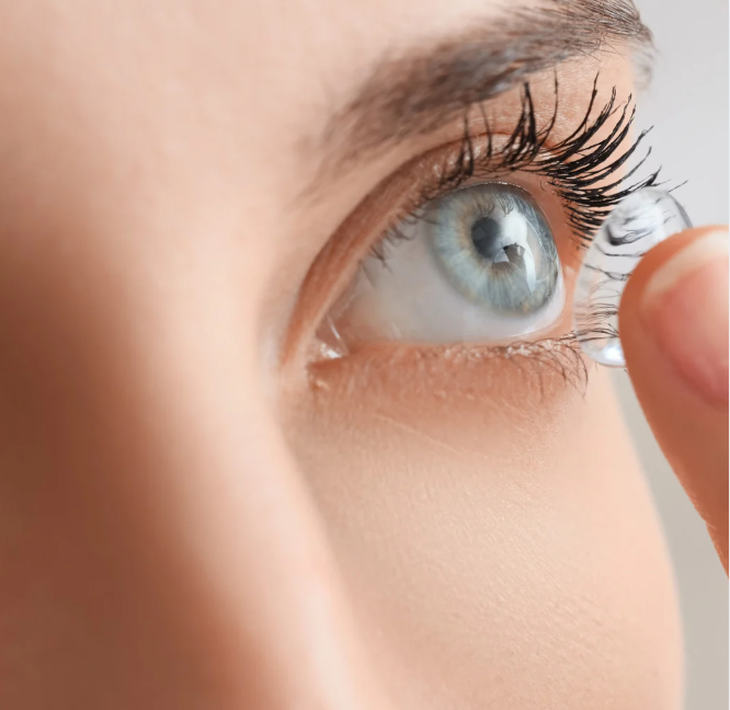
Falling asleep while wearing contact lenses creates a breeding ground for bacteria on the surface of the eye - Photo: AI
Problems such as blurred vision, infections, corneal damage, or retinopathy are becoming increasingly common, especially with age. While modern medicine can intervene with medication or surgery, doctors emphasize that prevention remains the most effective solution.
Here are nine habits that ophthalmologists advise you to avoid if you want to protect your eyesight in the long term.
Habit number one: Wearing contact lenses while sleeping.
Falling asleep with contact lenses on creates a breeding ground for bacteria on the surface of the eye. This can lead to infections, corneal ulcers, and even serious vision damage. Unless the lenses are designed for long-term wear, you should remove them before sleeping in all cases.
Second habit: Staring at the screen continuously without a break.
Staring at phones or computers for extended periods not only causes eye strain but also increases the risk of nearsightedness, especially in young people. Experts recommend applying the 20:20:20 rule, looking at a distance of about 6 meters for 20 seconds every 20 minutes to reduce eye pressure.
Third habit: Delaying routine eye exams.
Many eye conditions progress silently without obvious symptoms. Regular eye exams, especially pupil dilation checks, help detect problems such as diabetic retinopathy, cataracts, or glaucoma early, before they cause vision loss.
Fourth habit: Ignoring abnormal vision symptoms.
Symptoms such as flashes of light, the appearance of "floaters," or a feeling of a veil in front of the eyes can be signs of a torn or detached retina. If left untreated, this condition can lead to permanent vision loss.
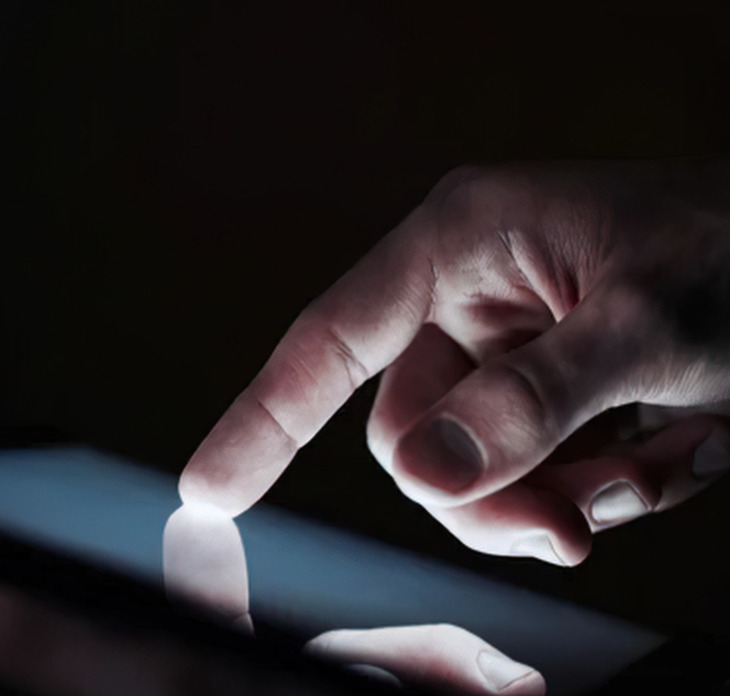
Spending hours looking at your phone is bad for your eyes - Photo: AI
Fifth habit: Not removing eye makeup before bed.
Eye makeup, especially eyeliner and mascara, can clog tear glands and reduce the eye's natural lubrication. If not cleaned properly, it can cause irritation, infection, and prolonged dry eyes.
Habit number six: Look directly at the sun.
Looking directly at the sun, even for a short time, can cause irreversible damage to the retina. Even during astronomical events like solar eclipses, the use of specialized protective eyewear is mandatory to avoid "retinal burns".
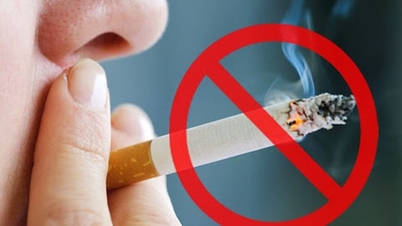
Seventh habit: Smoking cigarettes or e-cigarettes
Smoking not only harms the lungs but also increases the risk of serious eye diseases such as macular degeneration and cataracts. In addition, cigarette smoke irritates the surface of the eye, leading to dry eyes and corneal damage.
Eighth habit: Rinse contact lenses with tap water.
Tap water can contain bacteria and microorganisms that are harmful to the eyes. Using this water to clean contact lenses increases the risk of keratitis, and can even lead to blindness. Contact lenses need to be cleaned with a specialized solution and replaced on schedule.
Ninth habit: Unbalanced eating habits
A diet high in sugar and fat not only affects cardiovascular health but also increases the risk of eye diseases, especially complications from diabetes. Conversely, a healthy diet rich in vegetables and nutrients helps protect eyesight and reduce the risk of eye diseases.
In general, many eye injuries stem from very common daily habits. Behavioral changes, combined with regular care and checkups, can help maintain healthy vision in the long term.
Source: https://tuoitre.vn/9-viec-lam-khien-thi-luc-ngay-cang-suy-yeu-20260418224101646.htm




![[Image] Nearly 125,000 Hanoi students completed the Literature exam for the 10th grade entrance exam.](https://vphoto.vietnam.vn/thumb/1200x675/vietnam/resource/IMAGE/2026/05/30/1780117233041_ndo_br_thiet-ke-chua-co-ten-2-png.webp)























































































Comment (0)