

 |
Budget smartphones are under immense pressure due to sharply rising component prices. Photo: The Verge . |
Forty years ago, the best computer an American could afford cost the equivalent of $19,400 in today's dollars. Today, a smartphone thousands of times more powerful can be bought for $50 at a secondhand market. This is one of the biggest price revolutions in modern economic history.
This year, IDC forecasts a 13% drop in global smartphone shipments, the largest annual decline ever. In Africa and the Middle East, the drop exceeds 20%. This isn't a temporary disruption; it's a complete restructuring of the market as mid-range smartphones become increasingly unaffordable for the average consumer.
The era of cheap prices is coming to an end.
AI requires a special type of memory chip called high-bandwidth memory (HBM) to power GPUs that process billions of calculations per second. The problem is that one gigabyte of HBM takes more than three times the production capacity of a regular gigabyte of DRAM. For every gigabyte of HBM produced, three gigabytes of DRAM used in phones and computers are cut.
In 2023, HBM accounted for only 2% of total global memory chip production. By the end of 2026, this figure is expected to reach 20%. During the same period, HBM's profit margin reached 70%, while conventional DRAM only reached 20-30%.
 |
Smartphone prices are expected to continue rising sharply in 2026. Photo: The Verge . |
As a result, the supply of LPDDR, the type of memory chip used in phones, has plummeted. From Q1 2025 to Q1 2026, the prices of LPDDR4 and LPDDR5 increased by 250% and 220% respectively. In Germany, the price of DDR5 increased by as much as 414% in just one year. The proportion of memory costs in the price of a cheap Android phone increased by 15-50%.
Budget phone manufacturers like Transsion, Oppo, and Vivo operate on a very thin profit margin model, offset by massive sales volumes. When memory costs surge, this model immediately collapses.
Transsion, which holds 48% of the phone market share in Africa, announced a 54% drop in net profit for 2025 and cut its export target by an additional 40% compared to current capacity. Oppo cut production by over 20%, Vivo by nearly 15%, while Xiaomi reduced its output by 19% in the first quarter of 2026. In India, the market for phones under $100 has shrunk by 59% year-on-year.
Phones that once sold for $50 now cost $120 . For low-income consumers, that price is completely out of reach.
The crisis is spreading.
What's even more worrying is that this trend isn't limited to the budget smartphone market.
Samsung's phone division was unable to secure a long-term agreement with its own memory chip supplier, resulting in the Galaxy S26 launching with less RAM than initially rumored. Samsung executives warned that the phone division could record its first net loss in history.
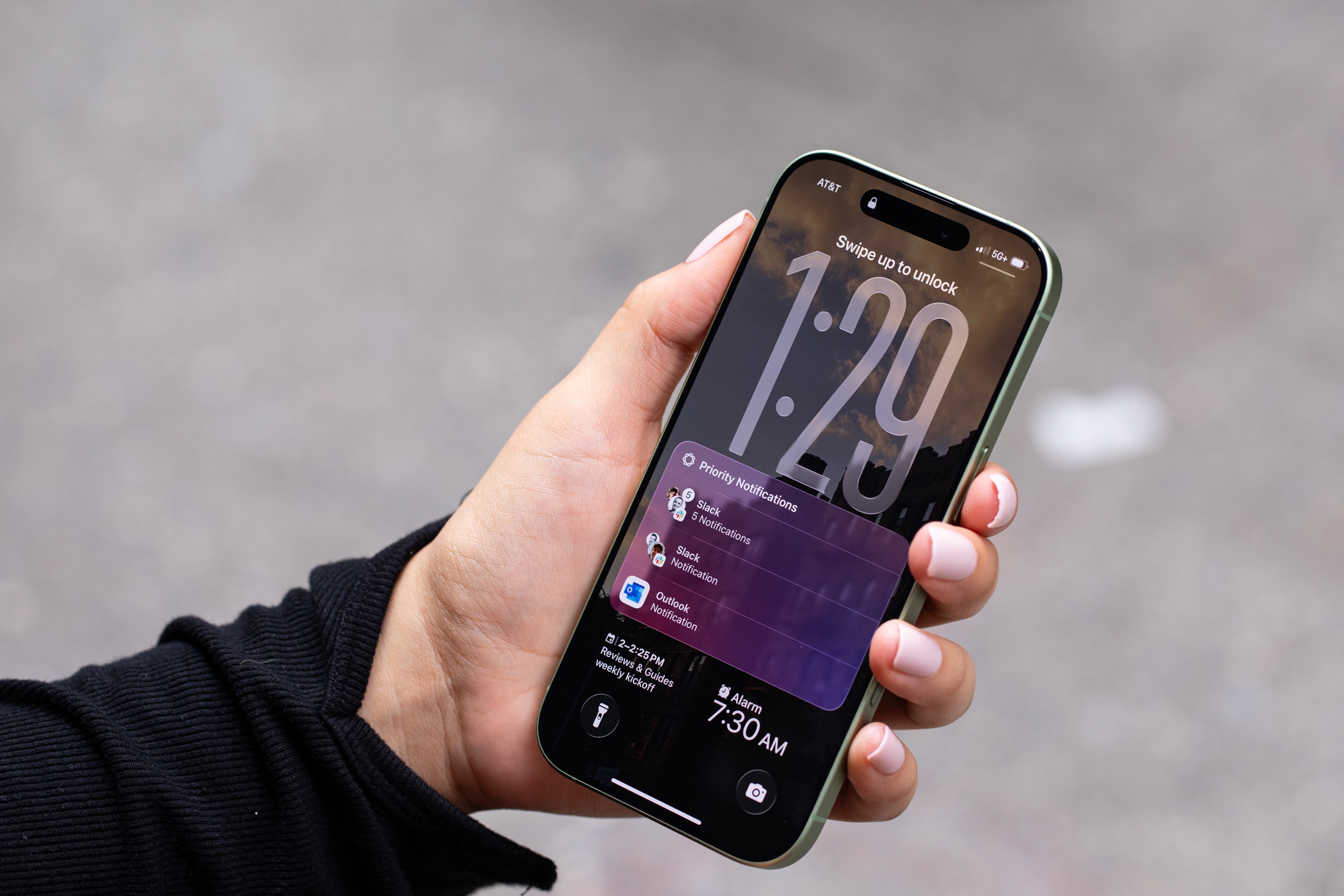 |
Apple has also been affected by the soaring prices of smartphone components. Photo: The Verge . |
Even Apple is under immense pressure. When its deal expired in January, memory chip manufacturers refused to sign contracts for more than one quarter. In February, Apple had to agree to pay Samsung 100% more for the LPDDR5X chips used in iPhones. The price of these chips has increased by 230% in 2025. As a result, the standard iPhone 18 may be delayed until spring 2027, while the Mac Studio has been pushed back from summer to fall.
The situation could get even worse. Nvidia's Vera Rubin platform, expected to launch in late 2026, uses Vera CPUs with massive LPDDR demands. According to JPMorgan, by 2027, memory could account for up to 45% of iPhone component costs, compared to around 10% today.
The only hope comes from China. CXMT is expanding rapidly and currently holds over 30% of the domestic LPDDR market. However, even this major producer is planning to shift 20% of its capacity to HBM.
Source: https://znews.vn/ai-xoa-so-smartphone-gia-re-post1654146.html





















![[Photo] Reception to welcome General Secretary and President To Lam and his wife on their State visit to the Philippines](https://vphoto.vietnam.vn/thumb/1200x675/vietnam/resource/IMAGE/2026/06/01/1780295488620_vna-potal-chieu-dai-chao-mung-tong-bi-thu-chu-tich-nuoc-to-lam-va-phu-nhan-tham-cap-nha-nuoc-toi-philippines-8798060-7855-jpg.webp)
































































Comment (0)