

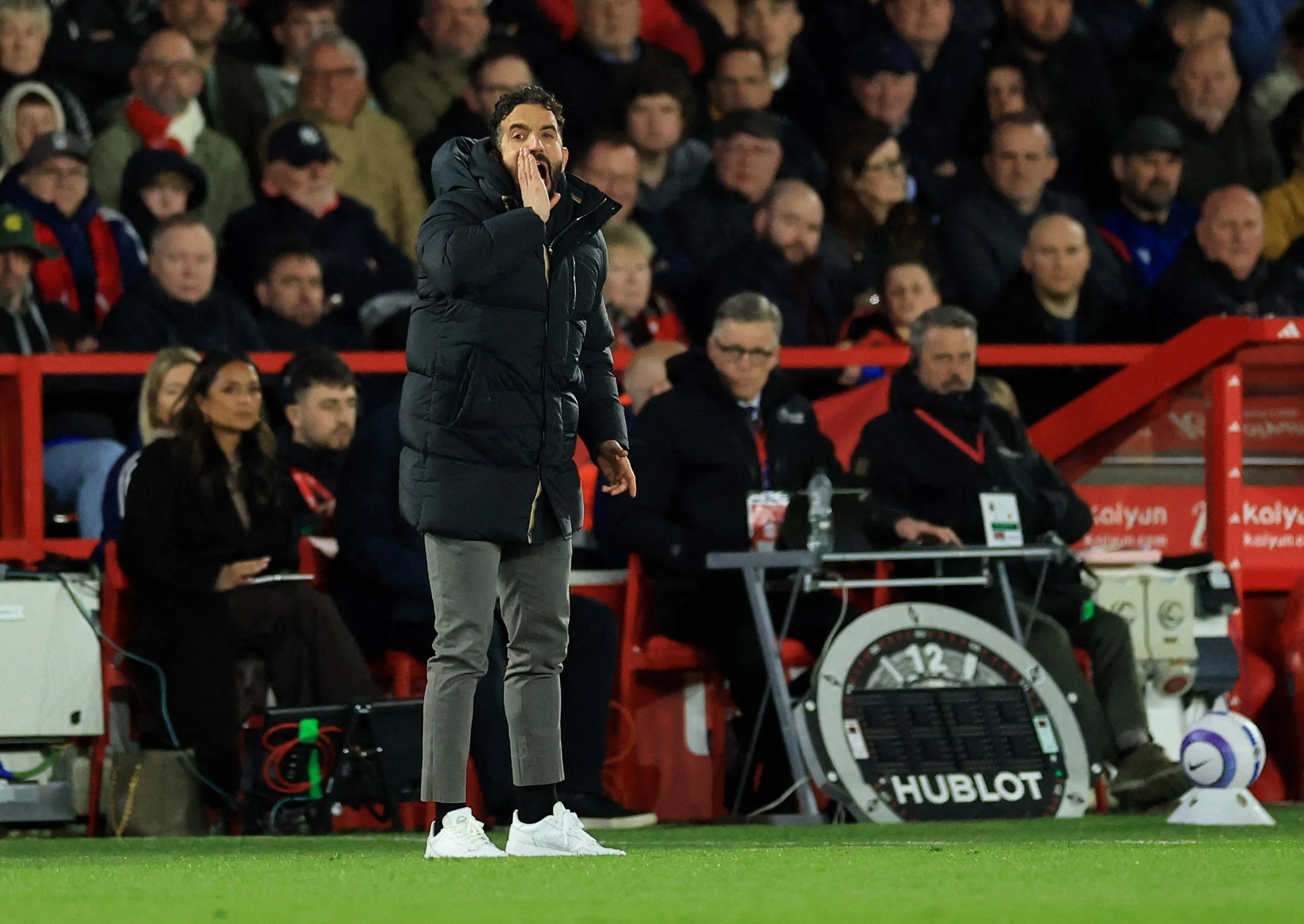
 |
Ruben Amorim is trying to create a distinct identity for Manchester United. |
Manchester United are accustomed to changing managers, but not their core values. Each new era begins with a few victories, followed by crises, and ends with a feeling of incompleteness.
Erik ten Hag was also caught in that cycle. He arrived at Old Trafford promising to bring the team back to standard, but the path he chose was one of reactive action. Wherever problems arose, Ten Hag patched them up. This approach helped the team survive week after week, but it didn't help them grow.
Ten Hag - firefighting mindset and chaotic football.
Ten Hag builds his team based on form and feel. Players who perform well are given opportunities, regardless of whether they truly fit into the overall structure.
His tactical formations changed constantly. Sometimes he played with three central defenders, other times he switched to four defenders. When he needed a goal, he pushed his players further forward. When he needed to maintain the score, he reinforced the defense.
It was chaotic football with moments of brilliance. Manchester United under Ten Hag could beat big opponents with flashes of brilliance, but crumble against mid-table teams with just one slip-up.
The system isn't strong enough to protect the players. The players have to strain themselves to protect the system.
After two seasons, Ten Hag's "patches" could no longer save the team. One mistake piled on top of another.
From their pressing structure and midfield organization to their ability to escape pressing in their own half, everything lacks consistency. Manchester United play differently in every game, as if they were never built on a solid foundation.
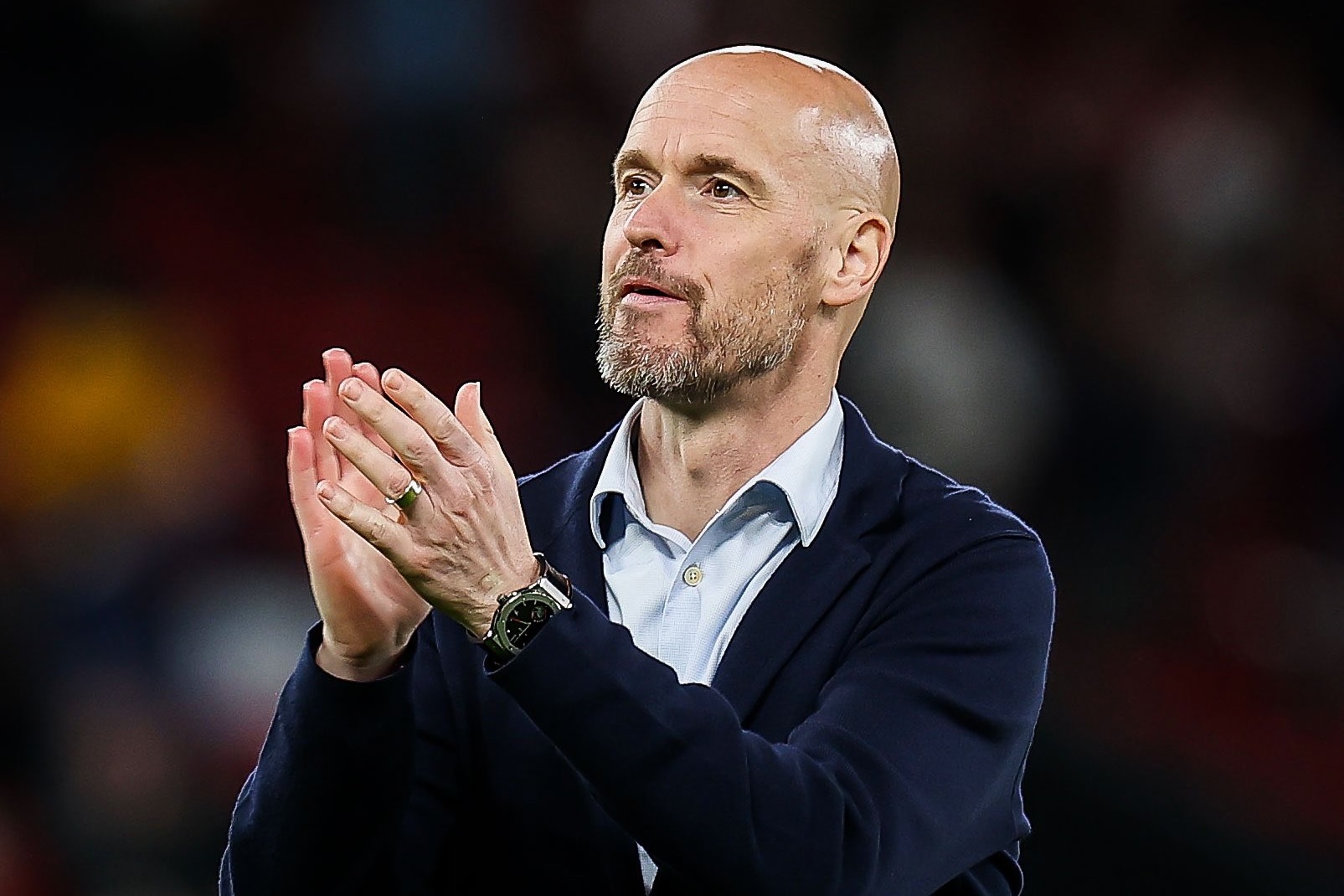 |
Erik ten Hag was a failure at Manchester United. |
Ruben Amorim emerged with a completely different mindset. He didn't start with the question "who is in top form," but rather with the question "how should my team operate?"
Amorim doesn't see players as the solution. He sees the system as the solution, and the players as links that must fit into that structure.
Therefore, Amorim's first two months at Old Trafford were a difficult period. The results were unimpressive. The team's play lacked fluidity. But one noticeable change occurred: order emerged. The lines were no longer fragmented.
The gap between the midfield and defense has narrowed. Ball distribution is no longer entirely dependent on a single individual, but is beginning to form fixed patterns.
Amorim doesn't mind benching familiar names if they don't fit the tactical role. For him, there's no such thing as an "untouchable star."
Only those positions that are properly filled will survive. Anyone who cannot adapt will be removed from the system, even if they were once key players.
This is the core difference. Ten Hag uses people to fix the system. Amorim uses the system to force people to change.
Manchester United may now lose games they shouldn't lose. But they no longer lose senselessly. Amorim's defeats are structural. They highlight weaknesses in the system, rather than exposing widespread disarray as before.
From short-term thinking to long-term strategy
Ten Hag always thinks about the present. Every match is a matter of life and death. He needs points to protect his job.
Amorim, on the other hand, accepted losing points as long as the structure remained intact. For Amorim, victory was only valuable when it came from the system, not from the brilliance of an individual.
This shift is not pleasant. Manchester United fans are used to demanding immediate results. But they are also tired of the team repeating the same disastrous scenario.
Amorim didn't promise paradise. He promised a process.
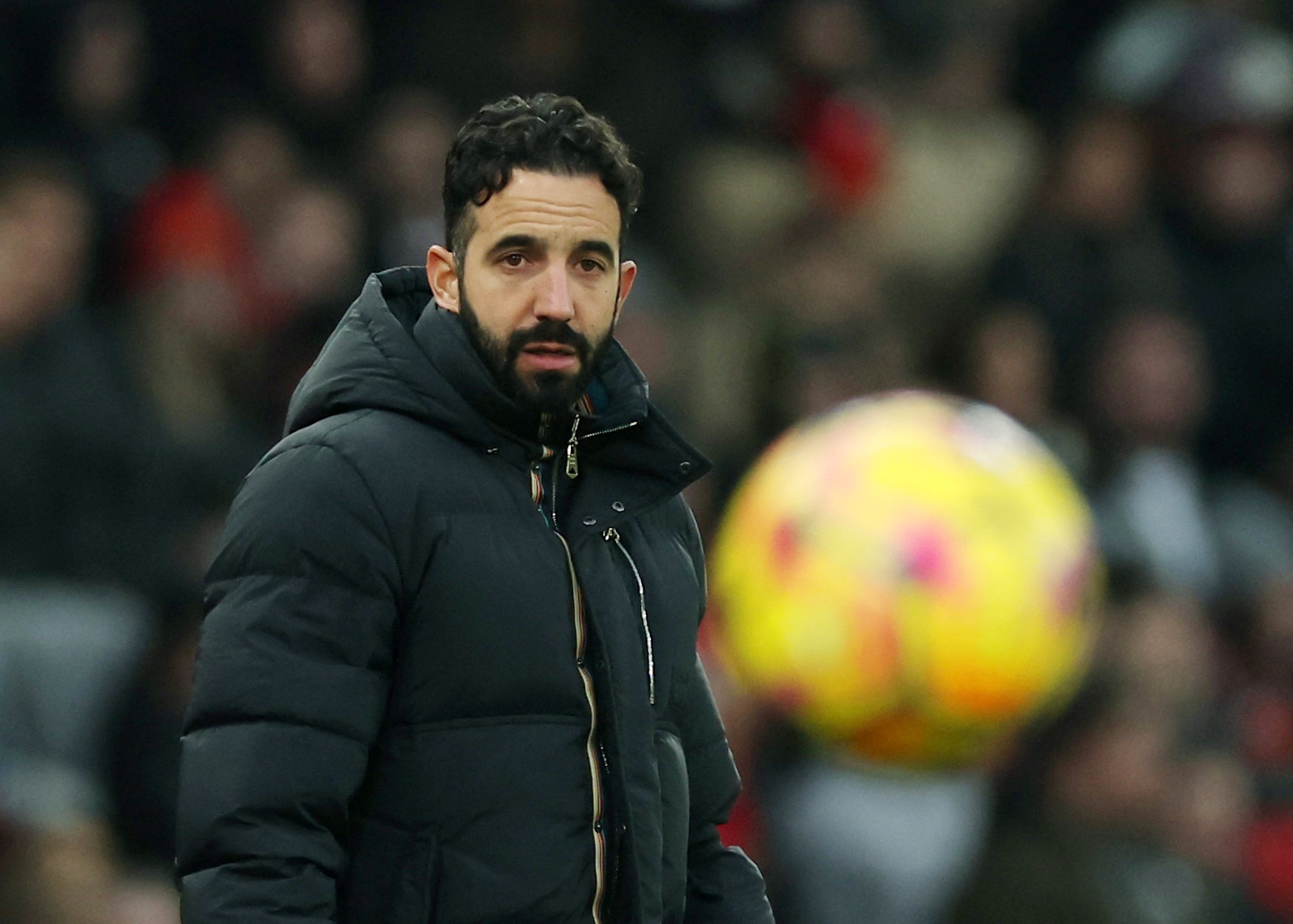 |
Will Ruben Amorim succeed with his philosophy at Manchester United? |
And perhaps, for the first time in many years, Old Trafford is witnessing a true rebuilding process. Not with slogans, not with a few blockbuster signings, but with tearing down old habits and rebuilding from the ground up.
Ten Hag tried to fix Manchester United with orders. Amorim is fixing them with structure. One seeks to survive each crisis. The other accepts the pain to end the crisis.
If Amorim succeeds, Manchester United will not only have one good season. They will have a foundation that will prevent them from having to start over after every manager change. And that is something Ten Hag, and many before him, never managed to achieve.
Source: https://znews.vn/amorim-dang-lam-dieu-ten-hag-chua-tung-dam-post1615910.html




![[Image] Nearly 125,000 Hanoi students completed the Literature exam for the 10th grade entrance exam.](https://vphoto.vietnam.vn/thumb/1200x675/vietnam/resource/IMAGE/2026/05/30/1780117233041_ndo_br_thiet-ke-chua-co-ten-2-png.webp)


















![[Photo] Admire the coral "masterpiece" amidst the million-year-old heritage of Dak Lak province.](https://vphoto.vietnam.vn/thumb/1200x675/vietnam/resource/IMAGE/2026/05/30/1780107638639_y25-jpg.webp)


































































Comment (0)