

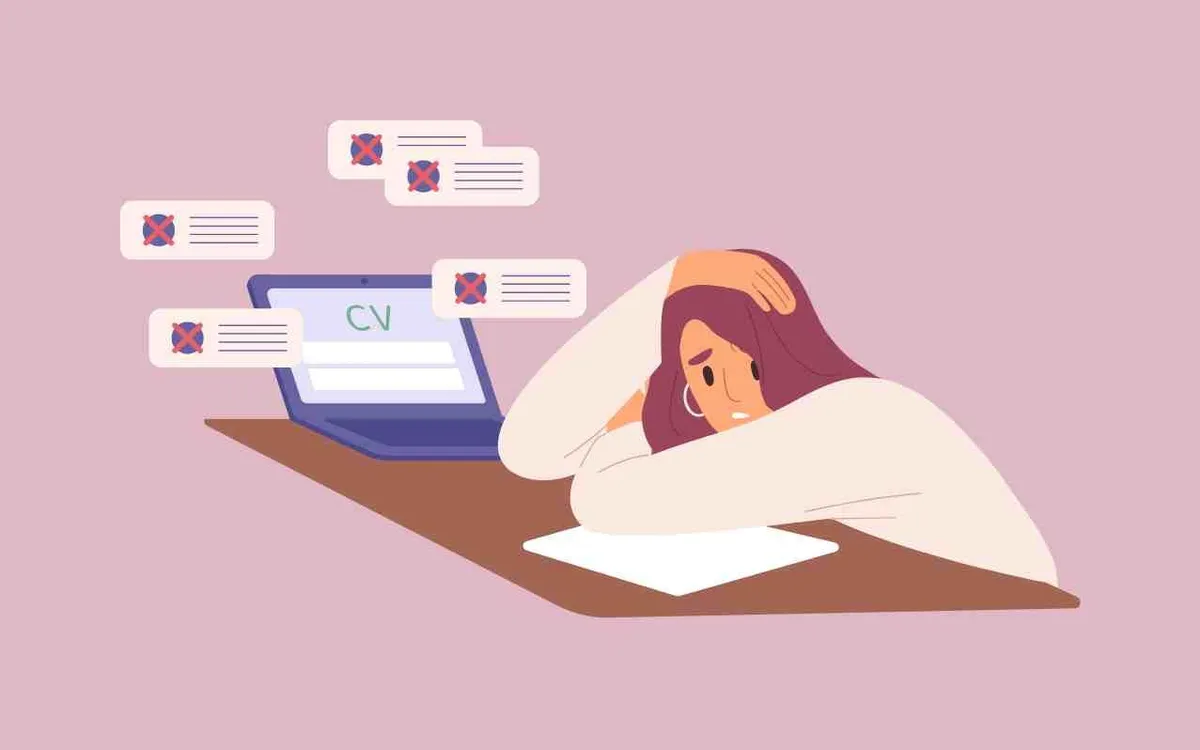
Illustration: Good Studio
Every exam season, the long study sessions, packed exam preparation schedules, and expectations from family and themselves cause many students to experience stress, insomnia, or even exhaustion and anxiety disorders.
According to educational psychology experts, anxiety before exams is a normal reaction. However, when pressure is prolonged and not properly relieved, students may experience many physical and mental problems: difficulty sleeping, headaches, lack of concentration, irregular eating habits, irritability, or loss of motivation to study. More dangerously, they may face problems such as anxiety disorders, mental breakdown, or even signs of depression if exam pressure exceeds their ability to cope and they do not receive timely support.
The worrying thing is that many students today tend to study continuously for long periods without adequate rest, exercise, and mental health care.
Studying more doesn't necessarily mean better results.
Experts say that a common mistake students make during the final stages of exam preparation is trying to cram as much knowledge as possible into a short period of time.
In fact, when the brain is overloaded, memory and concentration abilities decrease significantly. Prolonged late-night hours also lead to fatigue and can easily cause a decline in performance during exams.
Instead of studying continuously for many hours, experts encourage students to: break up their study time into smaller sessions, take short breaks between study sessions, get enough sleep, and maintain light physical activity to reduce stress.
Maintaining mental health during exam season
Besides the pressure of grades, many students also suffer from a fear of failure or anxiety due to family expectations. According to psychology experts, what students need most during this period is not constant pressure, but a feeling of being supported and understood.
Parents should avoid creating pressure by comparing grades, pay attention to their children's sleep and health, encourage them instead of just mentioning exams, and help them maintain a balanced daily routine.
In addition, students also need to learn how to reduce stress for themselves by not isolating themselves, sharing their feelings with friends or family, limiting prolonged late-night activities, and avoiding excessive exposure to stressful content on social media.
A healthy exam season is just as important as the results.
Many teachers believe that exams will eventually pass, but it's physical and mental health that has a lasting impact on young people. Therefore, instead of trying to study until you're exhausted, it's more important to keep your body energized and your mind stable enough to enter the exam room in the best possible state.
Exam season can be stressful, but it shouldn't become a time when students sacrifice their sleep, health, and emotions. Sometimes, getting enough sleep, eating on time, or taking a few minutes of rest at the right time can help students succeed in the long run.
Source: https://vtv.vn/ap-luc-mua-thi-de-si-tu-khong-duoi-suc-100260529095442975.htm
![[Photo] Admire the coral "masterpiece" amidst the million-year-old heritage of Dak Lak province.](https://vphoto.vietnam.vn/thumb/1200x675/vietnam/resource/IMAGE/2026/05/30/1780107638639_y25-jpg.webp)












































































































Comment (0)