

- Strengthening food safety controls
- Strengthening food safety management to protect people's health.
- Food safety control from kitchen to street
Focus on disseminating legal documents.
Specifically, all levels, sectors, and socio- political organizations should implement food safety awareness campaigns; emphasize the role and responsibility of all levels of government and heads of units and agencies; strengthen communication to disseminate legal regulations on food safety; commend and promote safe food products and production and business models that are appropriate to the local situation. Mobilize the public address systems in wards and communes to participate in disseminating policies, laws, and knowledge about food safety; and simultaneously warn consumers about organizations and individuals producing and trading food that violate legal regulations. Strengthening the dissemination of information on safe food production, business models, products, and food chains, as well as local traditional products, aims to promote and encourage the production of safe food and local specialties. In addition, the steering committee requires the public disclosure of establishments and individuals fined for administrative violations related to food safety, in order to warn, deter, and prevent illegal food production, business, and advertising.
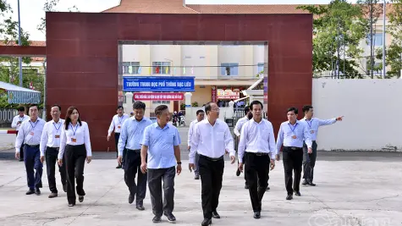
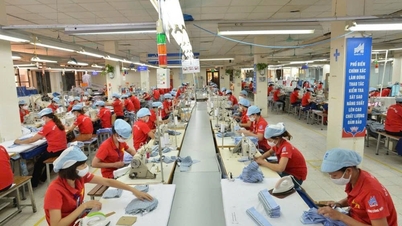
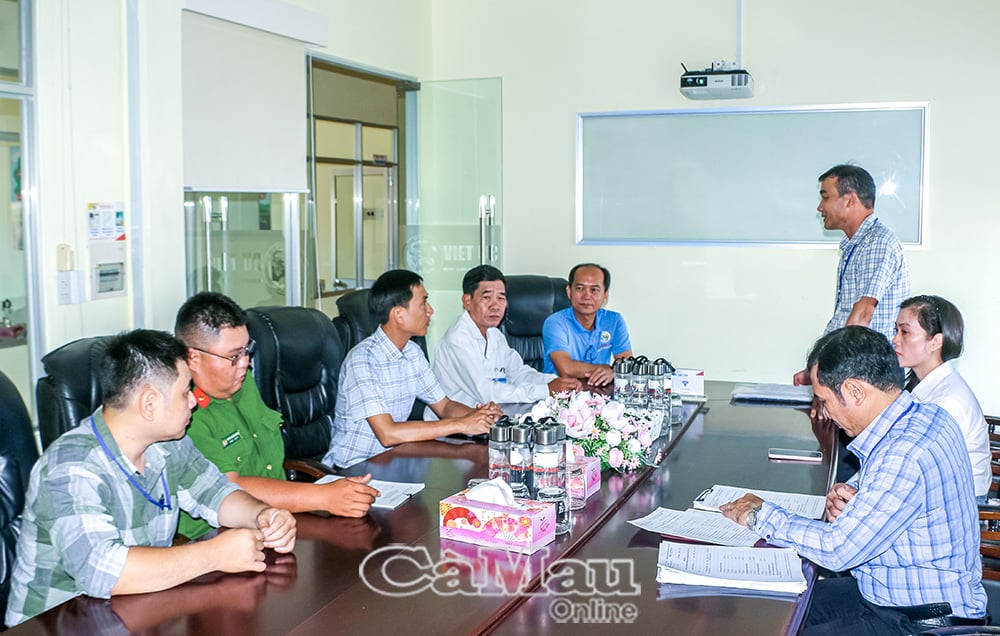 The inter-agency inspection team on food safety disseminated legal regulations on food safety at Viet Uc Joint Stock Company.
Priority should be given to communicating with all levels of government, agencies and units involved in food safety management; political and social organizations; organizations and individuals involved in food production and business, with a focus on collective kitchens, food service and street food vendors, and food consumers.
Focus on disseminating legal regulations on food safety such as: the Food Safety Law; the Law on Standards and Technical Regulations; the Law on Product Quality; the Law amending and supplementing a number of articles of the Law on Handling Administrative Violations No. 88/2025/QH 15 dated June 25, 2025; decrees guiding the implementation of a number of articles of the Food Safety Law; the implementation of the Law on Product Quality; decrees regulating investment and business conditions under the State management scope of the Ministry of Health and the Ministry of Industry and Trade; decrees regulating administrative penalties for food safety violations; penalties in the fields of standards, measurement and product quality; scientific and technological activities, technology transfer; atomic energy; decrees guiding the detailed implementation of a number of articles of the Advertising Law and directives of the Prime Minister on strengthening the fight against smuggling, trade fraud and counterfeit goods in the new situation; Circulars of the Ministry of Agriculture and Environment on the decentralization of state management in the field of quality management of agricultural, forestry and aquatic products.
This helps to strengthen the State's responsibility for food safety management in the new situation, especially in evaluating and clearly demonstrating the roles and responsibilities of various sectors and levels in ensuring food safety in the area.
Diversify communication channels.
With the theme "Ensuring food safety and preventing food poisoning in food service and street food" for the 2026 Food Safety Action Month, the province has identified that leadership and guidance in ensuring food safety is a key and ongoing task for the entire political system, in which the advisory role of functional agencies is very important.
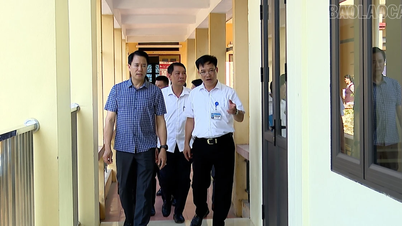
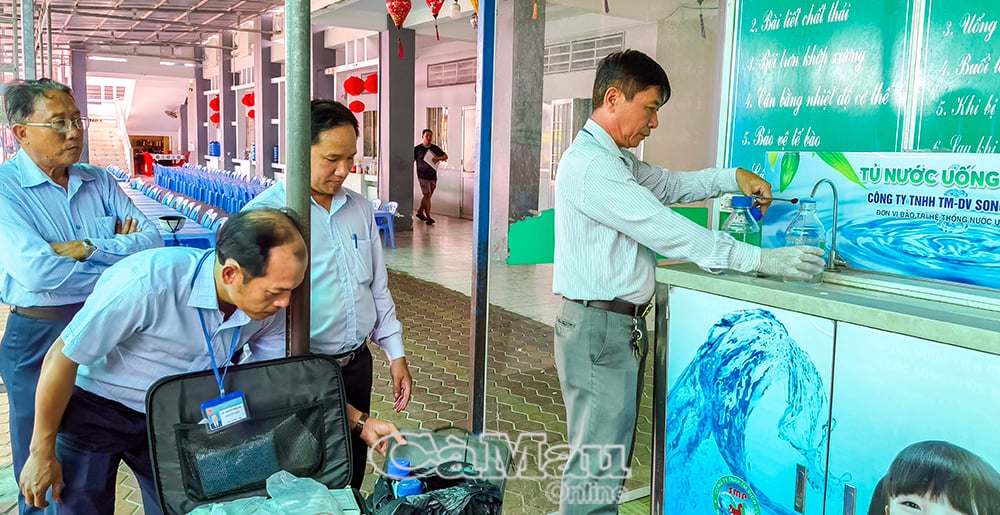 The inter-agency inspection team on food safety of the province inspected the quality of drinking water at the clean water dispenser of Nguyen Van Troi Primary School, Tan Thanh ward.
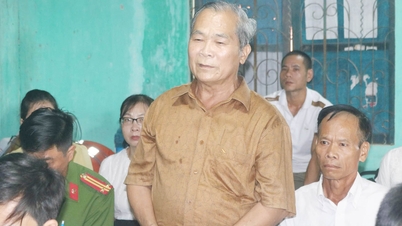
Mr. Nguyen Viet Hong, Deputy Head of the Provincial Food Safety Department, said that through inspections of food production and business establishments, violations are still occurring. Along with issuing violation notices and requesting corrective actions, the authorities are also disseminating information about food safety regulations.
Mr. Tran Thanh Tung, Deputy Head of the Food Safety Sub-Department, Provincial Department of Health , said that the unit has guided establishments to implement the procedures for submitting food safety documents online, conducting periodic health check-ups for employees working in food service areas; and at the same time requested establishments to strictly implement food traceability, keep complete records, and equip themselves with food protection screens.
Simultaneously, digital technology will be applied in communication, while direct communication will be strengthened through staff from departments, agencies, and organizations... using methods such as group practice sessions, conversations, and workshops...
The Provincial Fatherland Front Committee and political and social organizations also participated in propaganda efforts, especially in monitoring food production and business activities within the community.
The primary objective of the communication campaign is to help organizations, individuals, and businesses involved in food production and trade recognize their responsibility to ensure food safety and strictly comply with regulations; at the same time, to help consumers understand their rights, know how to choose safe food, resolutely boycott unsafe products, and boldly report violations.
Kim Phuong
Source: https://baocamau.vn/day-manh-truyen-thong-ve-an-toan-thuc-pham-a128723.html






















































































Comment (0)