

Many people think that heart attacks only occur in older people, those who are overweight, or those with unhealthy lifestyles. However, the reality is that an increasing number of seemingly healthy individuals are unexpectedly suffering heart attacks.
One of the underlying causes is high blood pressure. According to Dr. Anjan Siotia, Director of the Cardiology Department at BM Birla Cardiovascular Hospital (India), high blood pressure is called the "silent killer" because it often has no obvious symptoms: no fever, no pain, no clear warning signs, but inside the body, high blood pressure silently damages blood vessels, puts pressure on the heart, and increases the risk of stroke, kidney disease, and other dangerous cardiovascular events.
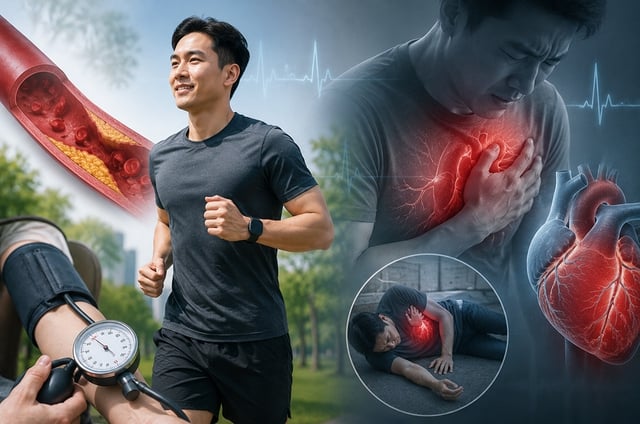
Sometimes, people who appear healthy may be silently carrying a risk of cardiovascular disease without even knowing it.
ILLUSTRATIVE IMAGE: NQ CREATED BY AI
'Looking healthy' doesn't necessarily mean you're actually healthy.
Dr. Siotia said: “Many people don’t get regular health checkups because they think they’re healthy and have no symptoms like chest pain or fatigue, but their hearts have been under strain for years. This silently developing hypertension over a long period leads to the first signs, which are heart attacks, strokes, heart failure, or kidney damage.”
According to the U.S. Centers for Disease Control and Prevention (CDC), high blood pressure often causes no signs or symptoms, even when the levels are dangerous. High blood pressure silently causes small damages inside the blood vessels, making it easier for plaque to form, causing arteries to harden, and forcing the heart to work harder each day. Just one blockage or a heart rhythm disturbance can be life-threatening.
Prevention should begin before symptoms appear.
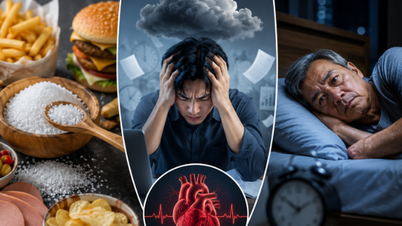
According to experts, prolonged sitting, constant screen time, staying up late, poor sleep, prolonged stress, smoking, eating processed foods, and lack of exercise are all significant risk factors that increase the risk of hypertension.
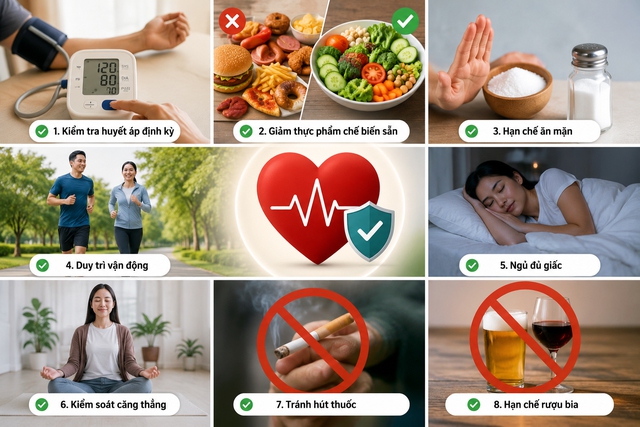
One of the most dangerous aspects of high blood pressure is that patients often feel completely normal. Therefore, proactive health care and monitoring are essential.
PHOTO: NQ CREATED BY AI
In addition, work pressure, financial worries, and less time for rest cause prolonged increases in stress hormones, which in turn affect blood vessels and heart rate.
The good news is that silent hypertension can be detected early and effectively controlled. Experts recommend that everyone should:
- Get your blood pressure checked regularly.
- Reduce your intake of processed foods.
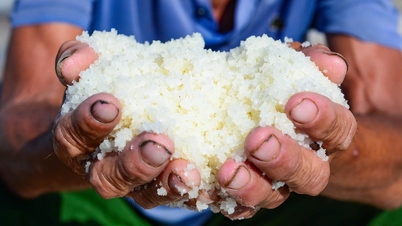
- Limit your salt intake.
- Keep moving.
- Get enough sleep.
- Manage stress.
- Avoid smoking.
- Limit your alcohol consumption.
Furthermore, doctors advise against measuring blood pressure only when feeling tired or experiencing symptoms. Even people in their 20s and 30s should have their blood pressure checked regularly, especially if they have a family history of hypertension, diabetes, or cardiovascular disease, according to the Times of India .
Myocardial infarction no longer occurs only in the "typical risk group".
Cardiologists are now seeing an increasing number of patients who don't resemble the "typical" image of someone with heart disease. According to Dr. Anjan Siotia, many people appear very healthy, are active, and have never had any symptoms before, yet they are still admitted to the emergency room due to complications from high blood pressure.
This has forced the medical community to reconsider its preventative approach. A slim physique or a healthy appearance does not equate to healthy arteries. Even thin people can suffer from high blood pressure, underlying inflammation, sleep disorders, elevated stress hormones, or underlying cholesterol imbalances.
In some cases, genetic factors also play a significant role. A person may be at risk of high blood pressure even if they maintain a relatively healthy lifestyle, according to the Times of India .
Source: https://thanhnien.vn/bac-si-dung-doi-dau-dau-dau-nguc-moi-do-huyet-ap-18526052612195098.htm


![[Photo] General Secretary and President To Lam presides over the meeting to approve the draft report on the results of the second inspection by the Politburo of the Standing Committee of the Hanoi City Party Committee.](https://vphoto.vietnam.vn/thumb/1200x675/vietnam/resource/IMAGE/2026/05/26/1779789811432_a2-bnd-4430-9620-jpg.webp)



























































Comment (0)