

1. After age 50, exercise is essential, but it must be done correctly.
- 1. After age 50, exercise is essential, but it must be done correctly.
- 2. How should people over 50 exercise?
- 2.1 Prioritize low- and moderate intensity exercises.
- 2.2 New moderation training is important
- 2.3 Pay attention to the timing of your workouts.
- 2.4 Maintaining a regular routine is more important than high intensity.
- 3. Things to note when starting to exercise in middle age.
Physical activity is always a crucial factor in maintaining good health. Numerous studies show that exercise helps boost immunity, control weight, improve bone density, and support endocrine function.
However, as people enter middle and old age, their bodies undergo many changes: muscle mass decreases, bone density declines, and the cardiovascular system and blood vessels become less flexible. The risk of diseases such as hypertension, atherosclerosis, and deep vein thrombosis also increases, especially in those who are less active. Therefore, exercise is not just about whether or not to exercise, but more importantly, about exercising appropriately.
Many people believe that running, swimming, or yoga are the best choices. In reality, no single type of exercise is suitable for everyone. After age 50, individualization is paramount. Each person has different physical conditions, medical histories, and fitness levels. For example:
- People with bone and joint conditions are not suitable for high-intensity running.
- People with cardiovascular disease should avoid sudden bursts of strenuous exercise.
- People who have been sedentary for a long time need to start at a light level...
Therefore, the best choice is an exercise that suits your physical condition, not a popular one.

People with cardiovascular disease need to choose exercises that are suitable for their physical condition, not just "popular" exercises.
2. How should people over 50 exercise?
2.1 Prioritize low- and moderate intensity exercises.
As we age, our bodies' endurance gradually decreases. High-intensity exercises like soccer, basketball, or sprinting can increase the risk of injury, especially fractures or joint damage.
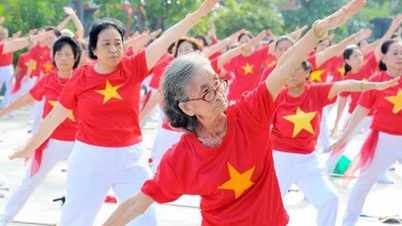
Therefore, people over 50 should prioritize: brisk walking, light cycling, slow swimming, Tai Chi, gentle yoga… These forms of exercise help improve blood circulation, maintain joint flexibility, and increase endurance without overloading the body.
According to the World Health Organization (WHO), adults should maintain at least 150–300 minutes of moderate-intensity physical activity per week.
2.2 New moderation training is important
A common mistake is overtraining in the hope of quickly improving health. However, this can be counterproductive. Overtraining can cause prolonged fatigue, heart rhythm disturbances, increased risk of injury, temporary immune system weakness, and more.
In middle age, the body needs more time to recover compared to younger people. Therefore, the important principle is to exercise at a moderate intensity, gradually increase the intensity, and maintain consistency.
2.3 Pay attention to the timing of your workouts.
Not only the type and intensity, but also the timing of exercise plays a crucial role.
Some things to keep in mind:
- Avoid exercising immediately after a full meal (it can easily affect digestion).
- Avoid high-intensity exercise on an empty stomach in the morning.
- Do not exercise when you are tired, sick, or after drinking alcohol.
- It's best to exercise in the early morning or late afternoon...
Exercising at the right time helps the body absorb oxygen better, reducing the risk of low blood pressure or stroke during exercise.
2.4 Maintaining a regular routine is more important than high intensity.
Consistency is key to long-term health improvement. However, many people have a habit of exercising intensely for a few days and then taking long breaks. This method doesn't yield noticeable benefits and can even reduce the muscles' ability to adapt.
Maintaining a regular exercise routine helps:
- Improve memory.
- Stabilize blood pressure.
- Improve cardiovascular endurance.
- Reduce the risk of falls...
According to the U.S. Centers for Disease Control and Prevention (CDC), maintaining regular physical activity helps reduce the risk of heart disease, stroke, and type 2 diabetes…

Walking is a simple form of exercise; high intensity is more important.
The reality is that many people underestimate simple activities like walking or doing housework. However, these are forms of exercise that are very suitable for older adults.
Walking regularly every day can:
- Improves blood circulation.
- Reduces the risk of blood clots.
- Strengthen your leg muscles.
- Supports weight management...
In addition, activities such as cleaning the house, cooking, and gardening contribute to maintaining the necessary level of physical activity. If a person has difficulty even walking or doing housework, it could be a sign that their health needs to be re-evaluated.
3. Things to note when starting to exercise in middle age.
To ensure safety, people over 50 should:
- Get a health checkup before starting any training program.
- Warm up thoroughly before exercising.
- Drink enough water.
- Listen to your body; stop if you experience any unusual symptoms such as chest pain or dizziness.
If you have underlying medical conditions such as cardiovascular disease, bone and joint problems, or diabetes, you should consult your doctor to develop a suitable exercise program.
There is no single best exercise for everyone over 50. The important thing is to choose a form of exercise that suits your physical condition, maintain a reasonable intensity, and exercise regularly. Simple activities like walking, incorporated into daily routines, if done correctly, still provide significant benefits for cardiovascular health, bone and joint health, and long-term quality of life.
Please watch the video for more information:
Source: https://suckhoedoisong.vn/bai-tap-tot-nhat-cho-nguoi-tren-50-tuoi-169260427160040998.htm


























![[Photo] Reception to welcome General Secretary and President To Lam and his wife on their State visit to the Philippines](https://vphoto.vietnam.vn/thumb/1200x675/vietnam/resource/IMAGE/2026/06/01/1780295488620_vna-potal-chieu-dai-chao-mung-tong-bi-thu-chu-tich-nuoc-to-lam-va-phu-nhan-tham-cap-nha-nuoc-toi-philippines-8798060-7855-jpg.webp)




































































Comment (0)