

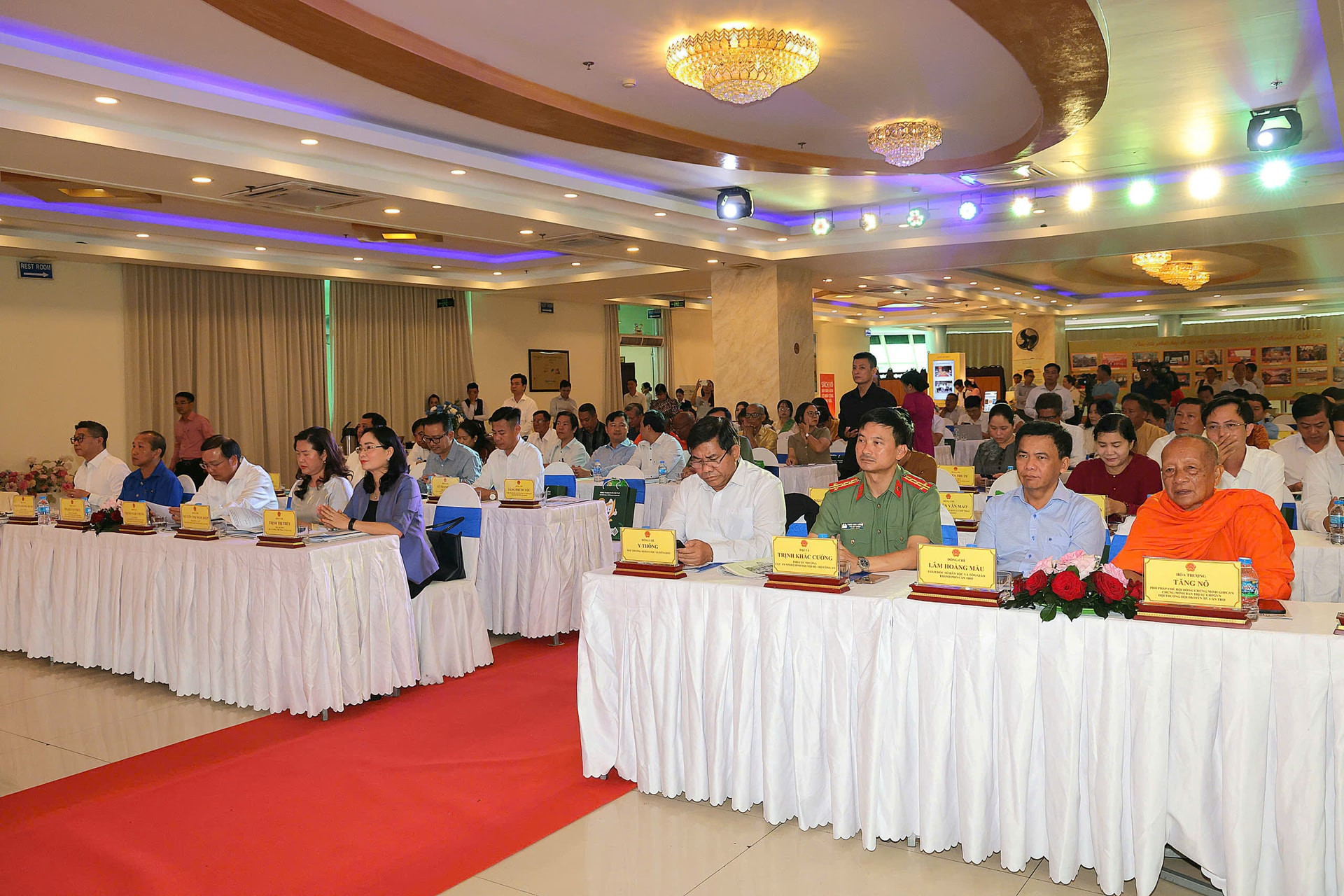
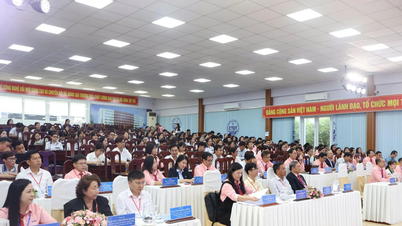
Attending the conference were Deputy Minister of Culture, Sports and Tourism Trinh Thi Thuy; Deputy Minister of Ethnic Minorities and Religion Y Thong; representatives from central and local ministries, departments and agencies; scientists and experts in the fields of ethnology, heritage and tourism; dignitaries and monks of the Khmer Theravada Buddhist tradition, and influential figures among the Khmer ethnic community.
Many achievements come with challenges.
The Khmer ethnic group currently numbers over 1.3 million people, residing mainly in the Southern region of Vietnam: An Giang , Ca Mau, Can Tho City, Dong Nai City, Dong Thap, Tay Ninh, Ho Chi Minh City, and Vinh Long.
This is a community with a long history of residence, creating a unique and distinctive cultural space that plays an important role in the unified Vietnamese culture.
Currently, the Southwestern region of Vietnam has over 450 Khmer Theravada Buddhist temples. The Khmer temple system plays a particularly important role in community life, not only as a center for religious and spiritual activities, but also as a place for preserving and teaching the language and script, providing moral education , and maintaining traditional cultural values for generations of the Khmer people.
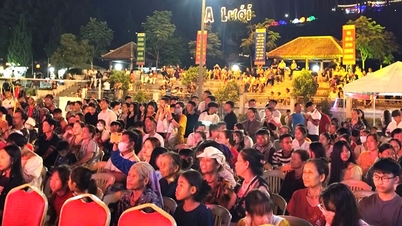
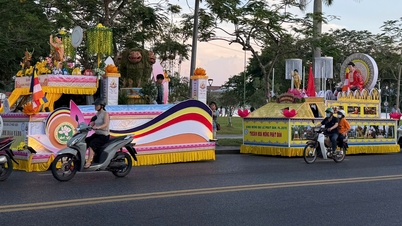
Traditional festivals such as Chol Chnam Thmay, Sene Dolta, Ooc Om Bok, and Ngo boat racing continue to be widely maintained in localities with large Khmer ethnic populations.
These are not only religious and cultural activities of the community, but also an environment for practicing and transmitting many traditional art forms such as Dù kê, Rô băm, Ngũ âm music, Aday singing, Chằn dance, Rom vong dance, Lâm thôn dance…
Many forms of Khmer ethnic cultural heritage have been included in the National List of Intangible Cultural Heritage, such as: Southern Khmer Dù kê art, Rô băm art, Oóc Om Bók festival, folk performance art of Ngũ âm music, Khmer flattened rice cake making craft, Khmer folk dance art...
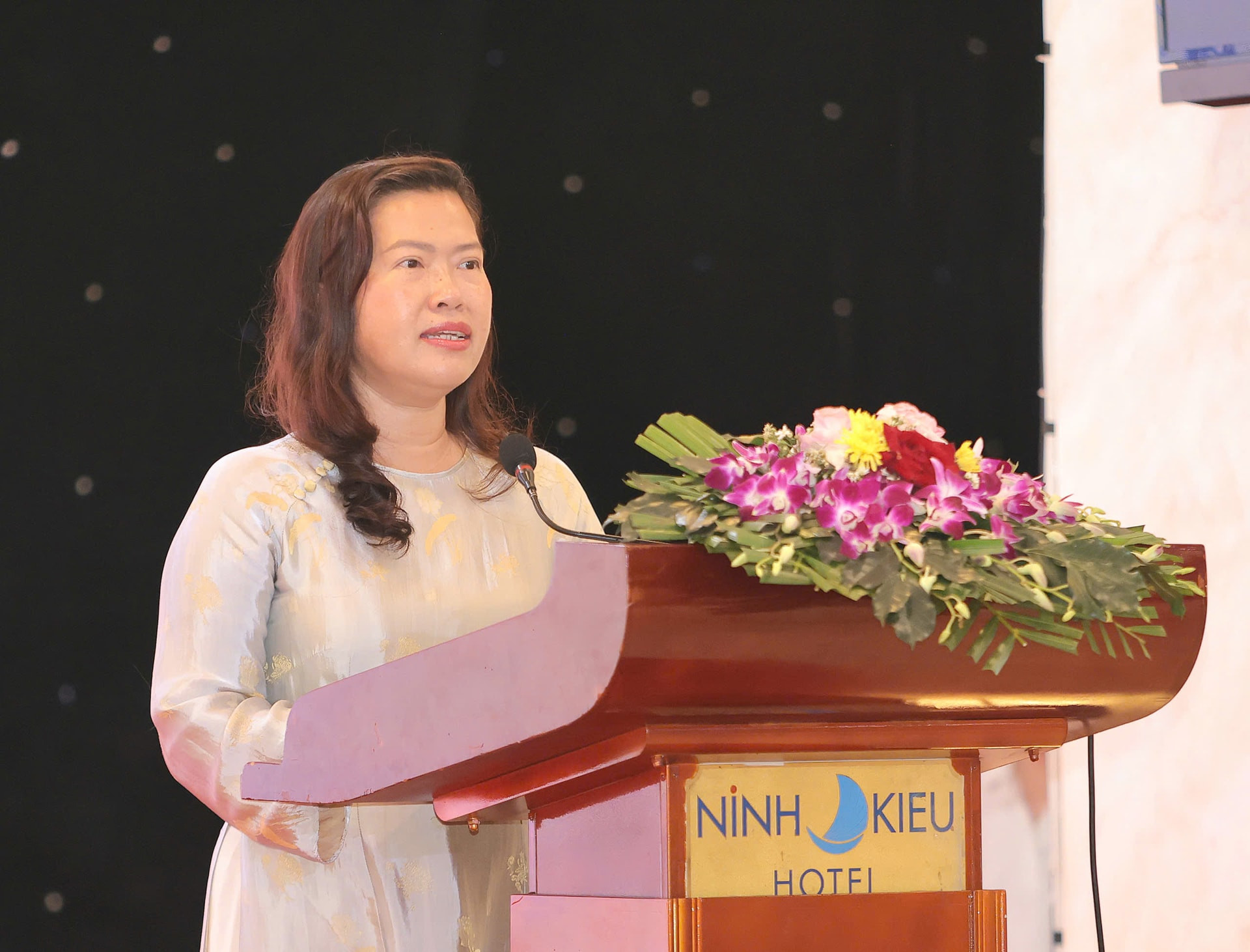
According to Ms. Nguyen Thi Ngoc Diep, Vice Chairman of the People's Committee of Can Tho City: The locality currently has 120 Khmer Theravada Buddhist temples. Of these, 2 temples are classified as national historical relics: Kh'Leang Pagoda and Doi Pagoda; 9 temples are classified as city-level historical relics; and 6 ethnic minority artisans have been awarded the titles of "People's Artisan" and "Outstanding Artisan" in the field of intangible cultural heritage by the President of Vietnam.
Among Can Tho's 16 intangible cultural heritage sites, there is one intangible cultural heritage site representing humanity: "Southern Vietnamese folk music and singing art," and 15 intangible cultural heritage sites have been included in the National List of Intangible Cultural Heritage - including "The folk performance art of Aday singing of the Khmer people in Xa Phien commune."
According to Ms. Nguyen Thi Ngoc Diep, the city has consistently prioritized and facilitated the preservation and promotion of the traditional Khmer ethnic culture over the years.
The city has also implemented comprehensively and effectively the guidelines and policies on ethnic affairs and ethnic policies, especially the National Target Program for socio-economic development in ethnic minority and mountainous areas.
Not only Can Tho, but many other localities with large Khmer populations are also stepping up efforts to preserve and promote the cultural values of their people.
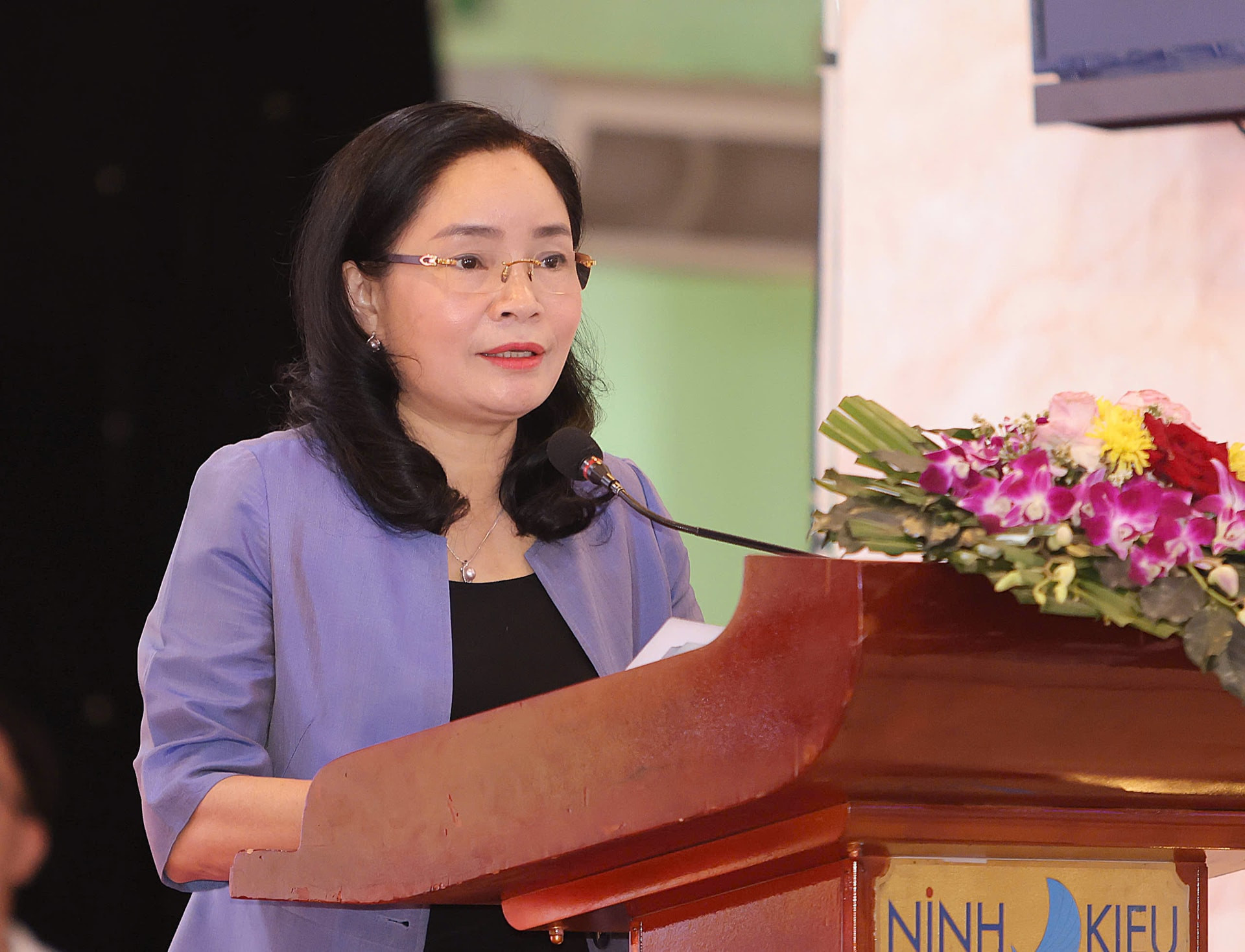
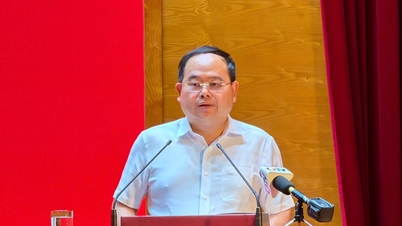
Speaking at the conference, Deputy Minister of Culture, Sports and Tourism Trinh Thi Thuy emphasized: Implementing the Party's guidelines and policies, and the State's laws on ethnic affairs and cultural development, the work of preserving and promoting Khmer ethnic culture has achieved many positive results.
However, in practice, many difficulties and challenges are emerging. Some forms of traditional culture are at risk of disappearing; over time, the number of artisans is increasing; and the transmission of culture within the community, especially to the younger generation, still faces many difficulties.
In addition, urbanization, labor migration, and the impact of the market economy are transforming the traditional cultural space of ethnic minority communities in general, and the Khmer people in particular.
To ensure that Khmer culture continues to flourish and its values are preserved.
Mr. Nguyen Hoang Hanh, Deputy Director of the Department of Propaganda on Ethnic and Religious Affairs, Ministry of Ethnic and Religious Affairs, believes that the worrying issue today is not only the risk of cultural erosion but, more profoundly, the risk of a breakdown in the transmission of culture among the younger generation.
According to Mr. Hanh, in some areas, policies are still fragmented and lack coordination; conservation activities are still heavily administrative or driven by campaigns. Some cultural values are at risk of being commercialized, "theatricalized," and separated from the original cultural space of the community.
Therefore, the new context demands a strong renewal of thinking in cultural governance and ethnic and religious affairs; in particular, it requires the improvement of institutions and policies on ethnic and religious affairs linked to cultural development in an integrated, interdisciplinary, synchronized manner and in accordance with the new development context.
Mr. Nguyen Hoang Hanh emphasized the need for a strong shift from a mindset of "purely preserving culture" to a mindset of "management and development based on cultural values." The State plays a role in fostering development, while the community must truly be the central subject in the process of preserving, creating, and disseminating culture.
"Furthermore, digital transformation is not just about digitizing cultural data, but also about digitizing the ability to spread identity and connect the younger generation with the roots of national culture through new, modern, and more engaging methods," Mr. Nguyen Hoang Hanh emphasized.
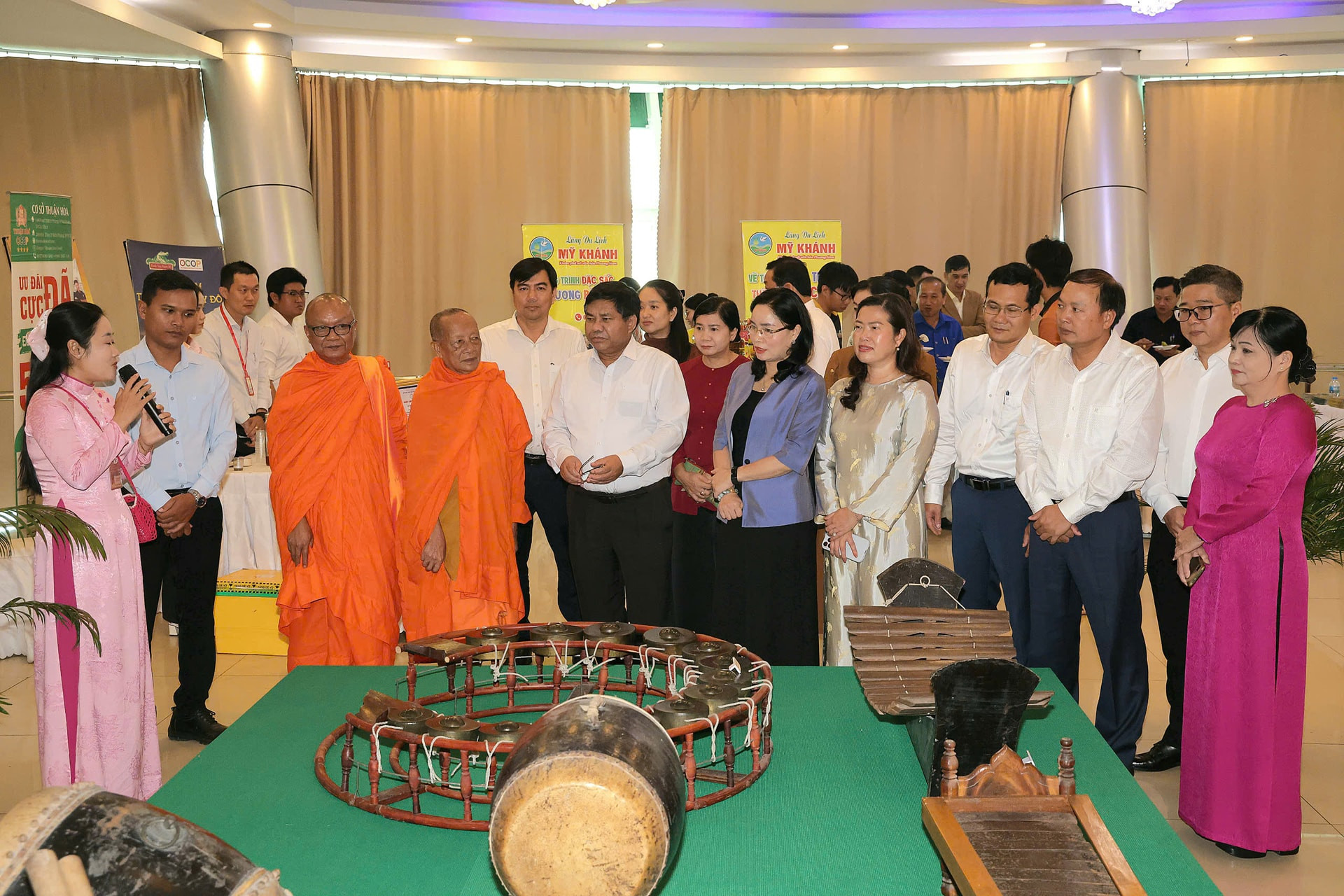
In the field of education, Dr. Ngo So Phe, Principal of the Southern Khmer Language, Culture, Arts and Humanities School (CLASKA) under Tra Vinh University, believes that it is necessary to continue promoting the role of educational institutions in training human resources in culture and arts, fostering teachers, and developing a team of intellectuals and artists who understand the Khmer language and culture.
According to Dr. Ngo So Phe, promoting scientific research and digitizing the cultural values of the Khmer ethnic minority region will contribute to creating more resources to serve the preservation and promotion of ethnic identity in the new era.
At the conference, delegates also shared the view that, in the new context, the preservation of Khmer culture needs to be viewed with a broader perspective, not just focusing on preserving heritage but also linking it to socio-economic development and improving community life.
Source: https://vietnamnet.vn/giai-phap-bao-ton-van-hoa-dan-toc-khmer-trong-khong-gian-phat-trien-moi-2518312.html
![[Image] Pleasant weather helps students enter the 10th grade entrance exam with confidence.](https://vphoto.vietnam.vn/thumb/1200x675/vietnam/resource/IMAGE/2026/05/29/1780034401612_ngay-1-thi-lop-10-minh-duy-8-5009-jpg.webp)
![[Photo] Ba Lang An Lighthouse - the "eye of the sea" amidst the "rock museum" of Quang Ngai province.](https://vphoto.vietnam.vn/thumb/1200x675/vietnam/resource/IMAGE/2026/05/29/1780038698840_anh-man-hinh-2026-05-29-luc-14-10-42.png)






































































Comment (0)