

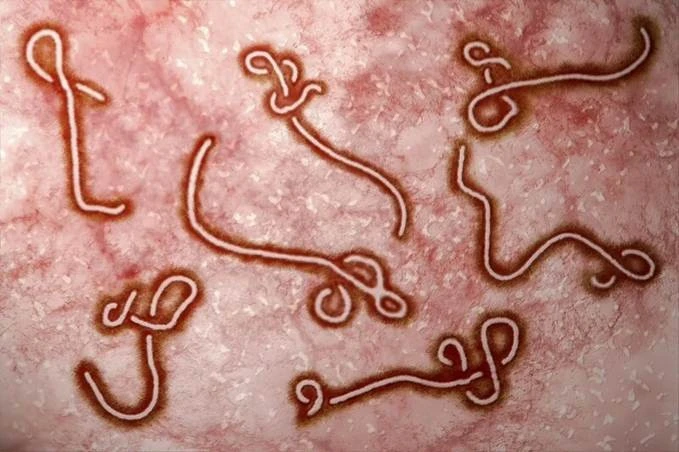
According to the World Health Organization (WHO), the death toll from the current Ebola outbreak has exceeded 220 since the outbreak was announced in mid-May. With the disease spreading faster than local health authorities can control, emergency meetings are being held to find solutions. However, to date, no vaccine has been licensed or entered clinical trials to prevent the Bundibugyo strain.
Unlike the Ebola Zaïre strain, which caused major outbreaks in Africa and for which vaccines have helped control the disease, Bundibugyo is a less studied variant because it rarely caused widespread outbreaks in the past. This presents scientists with many challenges when the disease unexpectedly returns.
Given the current urgent need, many research groups are exploring ways to adapt existing Ebola vaccine technologies to combat the new virus strain. One approach attracting attention is replacing the surface protein of previous Ebola vaccines with a Bundibugyo-specific glycoprotein to trigger an immune response against the virus. While considered promising, vaccine development still requires further research, safety testing, and efficacy evaluation before it can be used.
In addition, mRNA technology – a foundation that made breakthroughs during the COVID-19 pandemic – is also being researched for the purpose of preventing Bundibugyo. Several collaborative projects between European universities and biotechnology companies have been launched, but experts believe there is still a significant gap between laboratory research and practical application.
While there is no specific vaccine yet, scientists are also considering the possibility of using existing Ebola vaccines to create cross-protection against the Bundibugyo strain. Some animal trials have shown promising results, although the actual effectiveness in humans still needs further evaluation.
Furthermore, many scientists are aiming to develop vaccines capable of protecting against multiple strains of Ebola, and even other dangerous filoviruses such as Marburg. Some studies have noted positive immune responses in laboratory animals when combining glycoproteins from multiple virus strains in a single vaccine, but the protective efficacy in humans remains unconfirmed.
According to experts, this outbreak also reflects the reality that diseases that primarily appear in poorer countries often do not receive adequate research investment before a crisis occurs. Bundibugyo was not considered a top priority for pharmaceutical companies, forcing the world to almost start from scratch when the pandemic broke out.
With a vaccine yet to be available, measures such as isolating infected individuals, tracing contacts, and raising public awareness remain crucial in controlling the epidemic. The race to develop the Bundibugyo vaccine is therefore not only a scientific challenge but also a test of the world's ability to respond to new future epidemic threats.
Source: https://baolaocai.vn/bao-gio-the-gioi-moi-co-vaccine-chong-chung-ebola-moi-post900450.html
![[Photo] Standing Committee member of the Party Central Committee Tran Cam Tu working with the Central Inspection Committee](https://vphoto.vietnam.vn/thumb/1200x675/vietnam/resource/IMAGE/2026/05/28/1779969579668_ndo_br_bnd-2495-jpg.webp)





















































































Comment (0)