

Preserving the beauty of traditional culture.
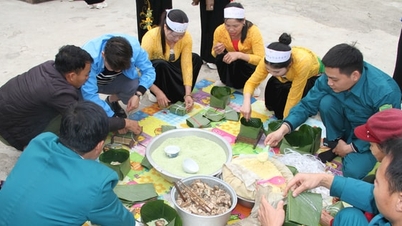
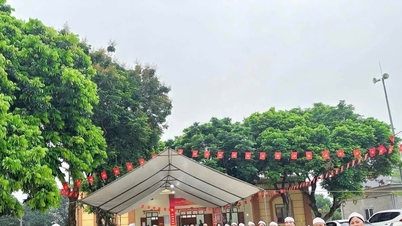
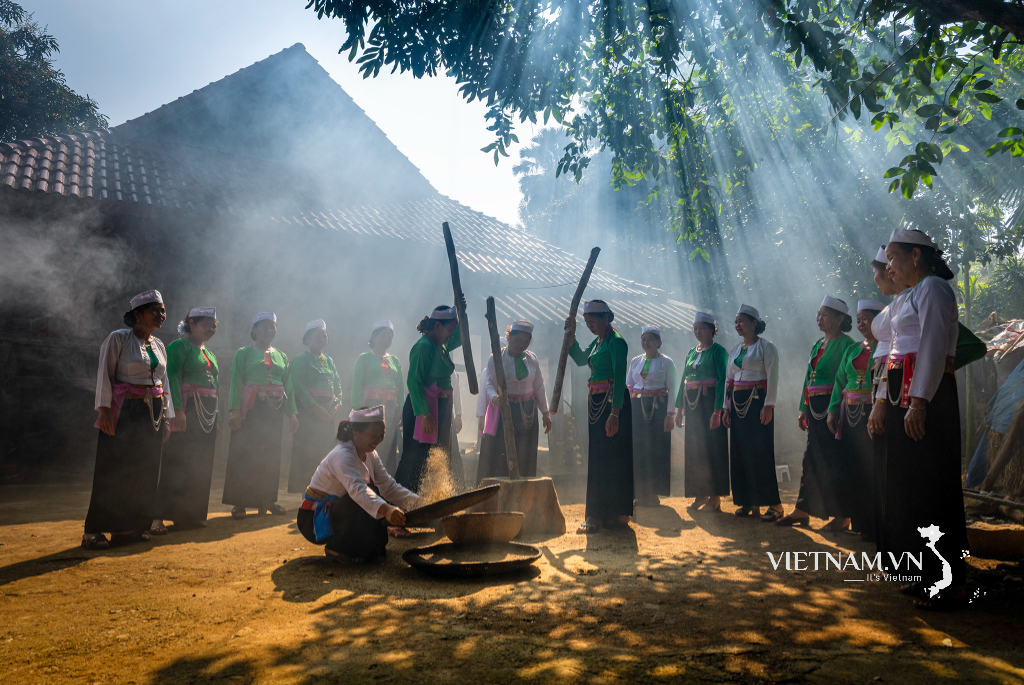
Hop Thanh village currently has 176 households with over 700 inhabitants, of which nearly 98% are Muong ethnic people. For many years, the people here have maintained their distinctive cultural features such as their language, clothing, folk songs, traditional dances, and gong music.
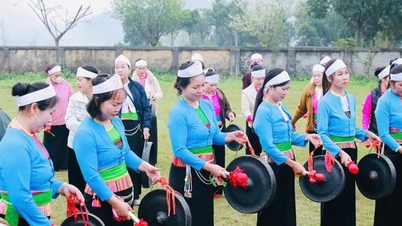
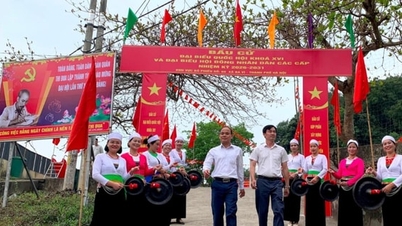
A significant milestone in cultural preservation efforts was the establishment of the Muong Ethnic Cultural Identity Preservation Club in 2022, with over 20 members. Since its inception, the club has become a community cultural hub, contributing to fostering national pride among its residents.
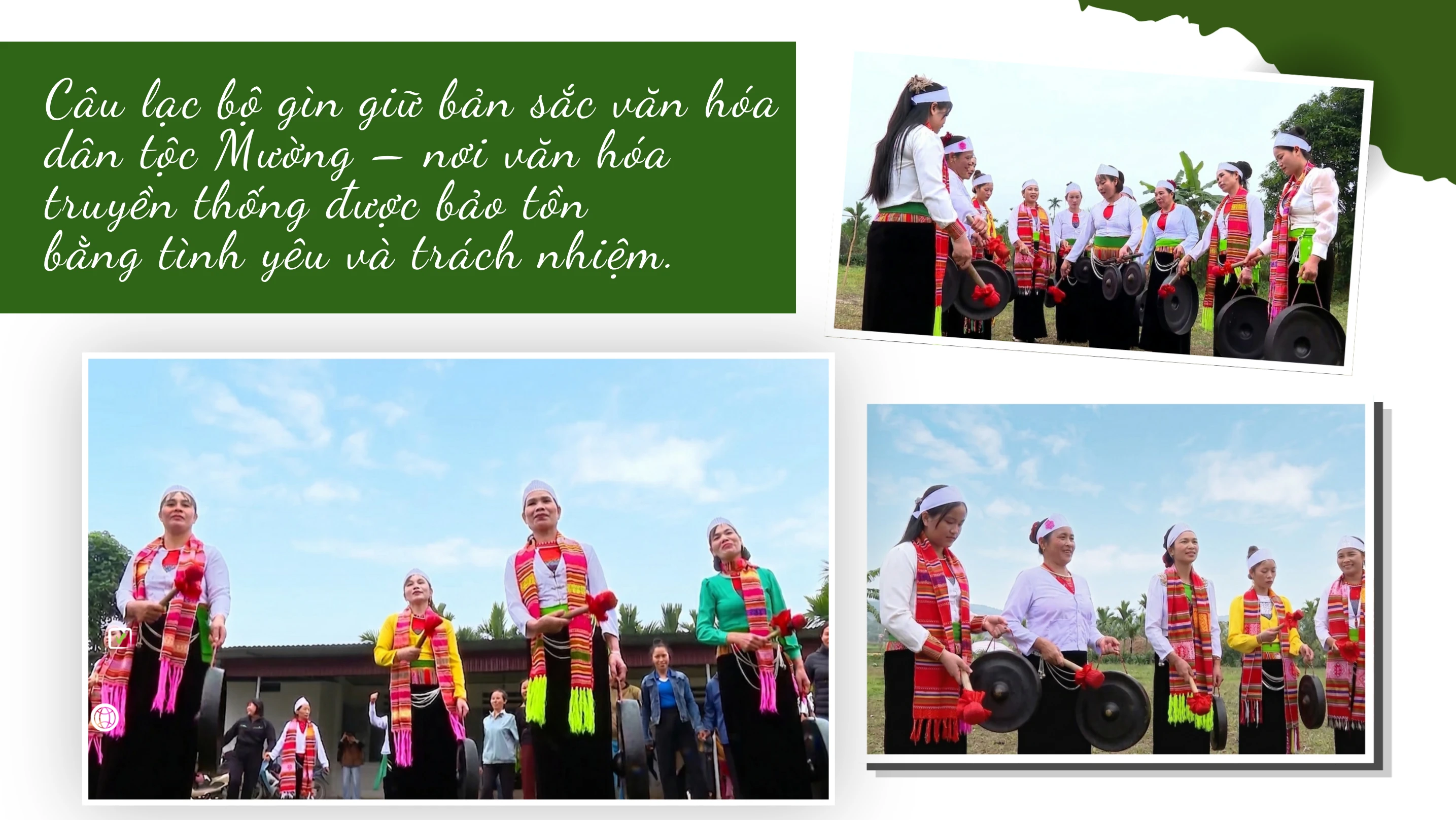
Ms. Dinh Thi Thanh, the club's chairperson, said: "In the early days of its establishment, the local authorities supported the purchase of gongs and invited artisans from Ba Vi, Hanoi, to provide guidance on gong-playing techniques. Elderly artisans in the village also directly taught Muong folk songs, Moi dances, and call-and-response singing to the younger generation."
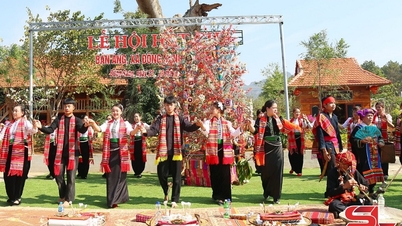
Currently, the club regularly participates in performances at local festivals and holidays, as well as cultural and artistic exchange programs. The resonant sounds of gongs and drums, along with traditional dances, have become a source of pride for the Muong people here.
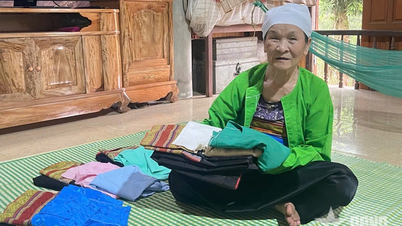
According to Mr. Nguyen Manh Ha, Deputy Head of the Culture and Social Affairs Department of Quy Mong commune, the Muong people in the locality still preserve many traditional cultural values such as traditional wooden houses, costumes, language, and distinctive dances. In 2024, the commune organized a Muong language training class for more than 30 students; at the same time, it revived the performance of the "dam duong" dance and gong art associated with the Quy Mong communal house and temple festival.
To ensure that traditional culture is passed on to the younger generation, in the 2023-2024 school year, preschools and primary schools in the commune collaborated with the Muong Ethnic Cultural Preservation Club to organize experiential sessions for students to learn about the language, costumes, and gong art of the Muong people.
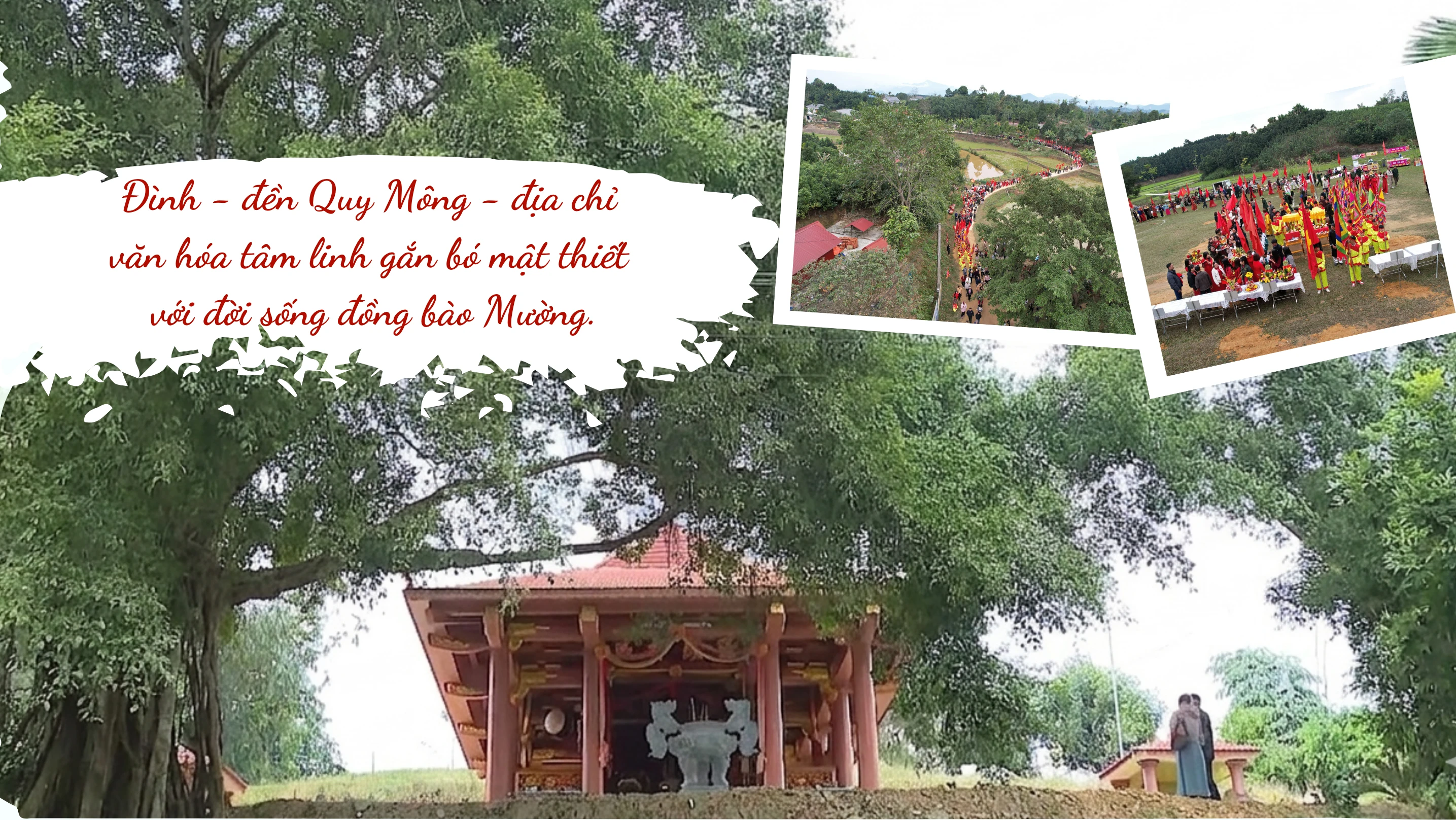
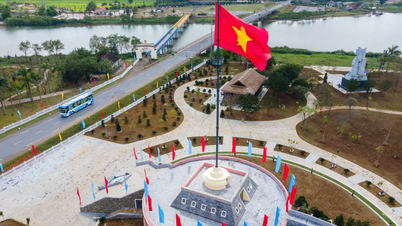
Along with preserving intangible cultural heritage, Quy Mong commune also focuses on promoting the value of the Quy Mong communal house and temple complex – a spiritual and cultural site closely associated with the lives of the Muong people here. According to Mr. Dinh Xuan Su, the caretaker of the Quy Mong temple, the complex was formed during the process of the Muong people coming to clear land and establish villages. The structures were built in the late 19th and early 20th centuries, initially as simple thatched-roof structures. During the Nguyen dynasty, a group of Muong people led by Mr. Dinh Van Can traveled upstream along the Thao River to reclaim land and simultaneously renovated the communal house and temple, creating a spiritual and cultural complex that remains closely connected to community life to this day.
In 2025, the local authorities undertook restoration and preservation of the historical and cultural relics to safeguard their value. Every year, the Quy Mong communal house and temple festival is held with numerous rituals and activities reflecting the unique cultural identity of the Muong people, attracting locals and tourists from all over to offer incense and pay their respects.
Efforts of the government and the people
During the process of integration and development, preserving and promoting the cultural identity of the Muong people also faces many difficulties and challenges. Cultural exchange and the impact of modern life mean that some traditional values are at risk of disappearing if they are not preserved and passed on.
In light of this reality, alongside the task of developing the economy and improving the lives of the people, Quy Mong commune has implemented many solutions to preserve and promote the cultural identity of the Muong ethnic group. The locality encourages people to maintain traditional lifestyles; wear ethnic costumes during festivals and community events; and organize classes to teach the Muong language, folk songs, and gong music to the younger generation.
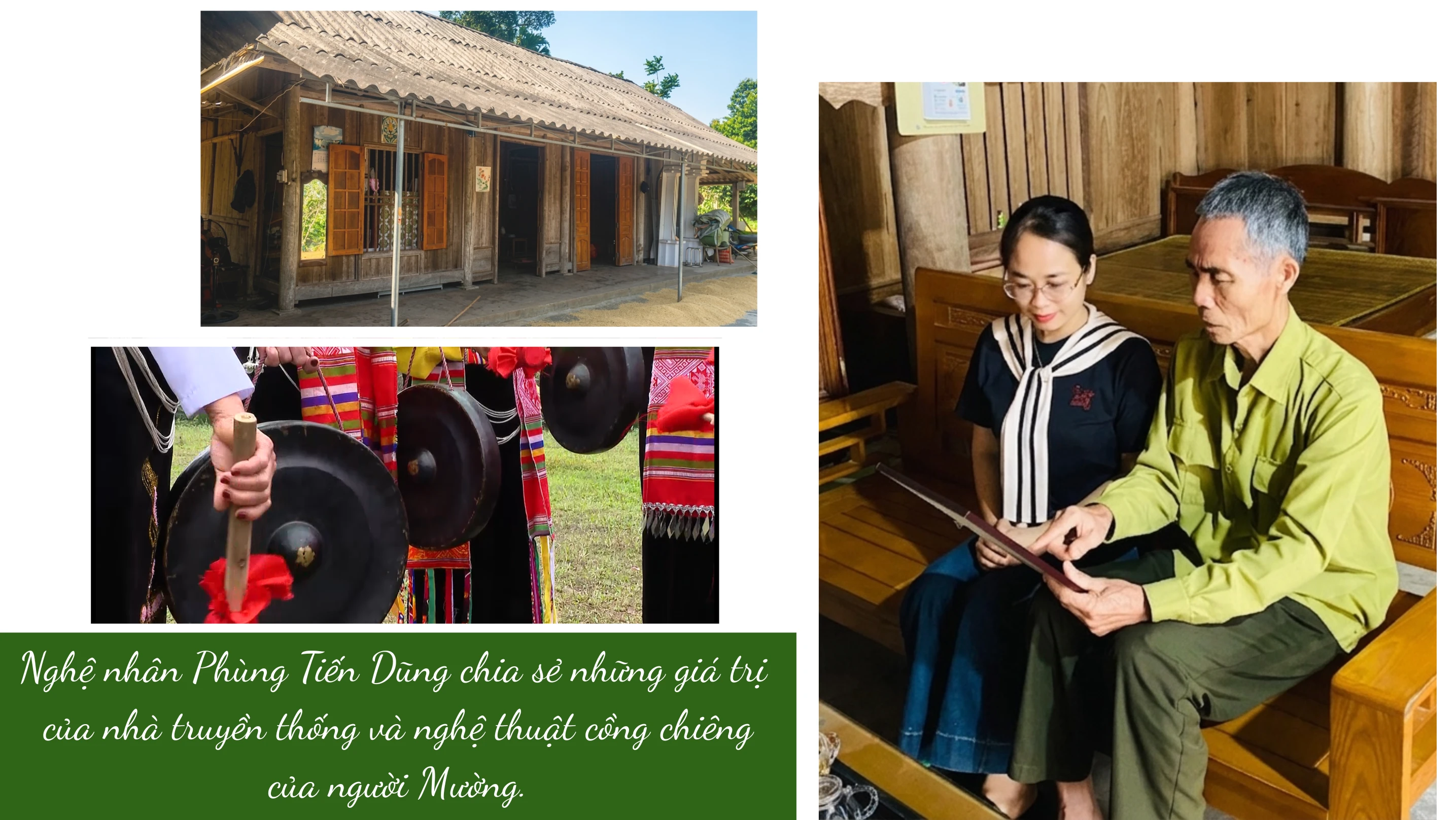
Along with the involvement of the government, many artisans and respected community leaders are also actively participating in preserving the national cultural heritage. Among them, artisan Phung Tien Dung in Hop Thanh village has been dedicated to the preservation of Muong culture for many years. He directly teaches the language, collects folk songs and traditional dances of the Muong people, aiming to awaken pride and love for their national culture in the younger generation.
According to artisan Phung Tien Dung, the worrying issue today is that the Muong language is gradually being used less in daily life. Many young people go away to study or work, so they no longer frequently communicate in their mother tongue. Therefore, maintaining the ethnic language within each family is very important for preserving cultural identity in the long term.
Mr. Vu Quoc Long, Vice Chairman of the Quy Mong Commune People's Committee, said: "In the coming time, the locality will continue to promote propaganda and raise awareness among officials, Party members, and the people about the role of preserving the Muong ethnic culture; at the same time, promote the historical and cultural value of the Quy Mong communal house and temple complex in conjunction with community tourism development."
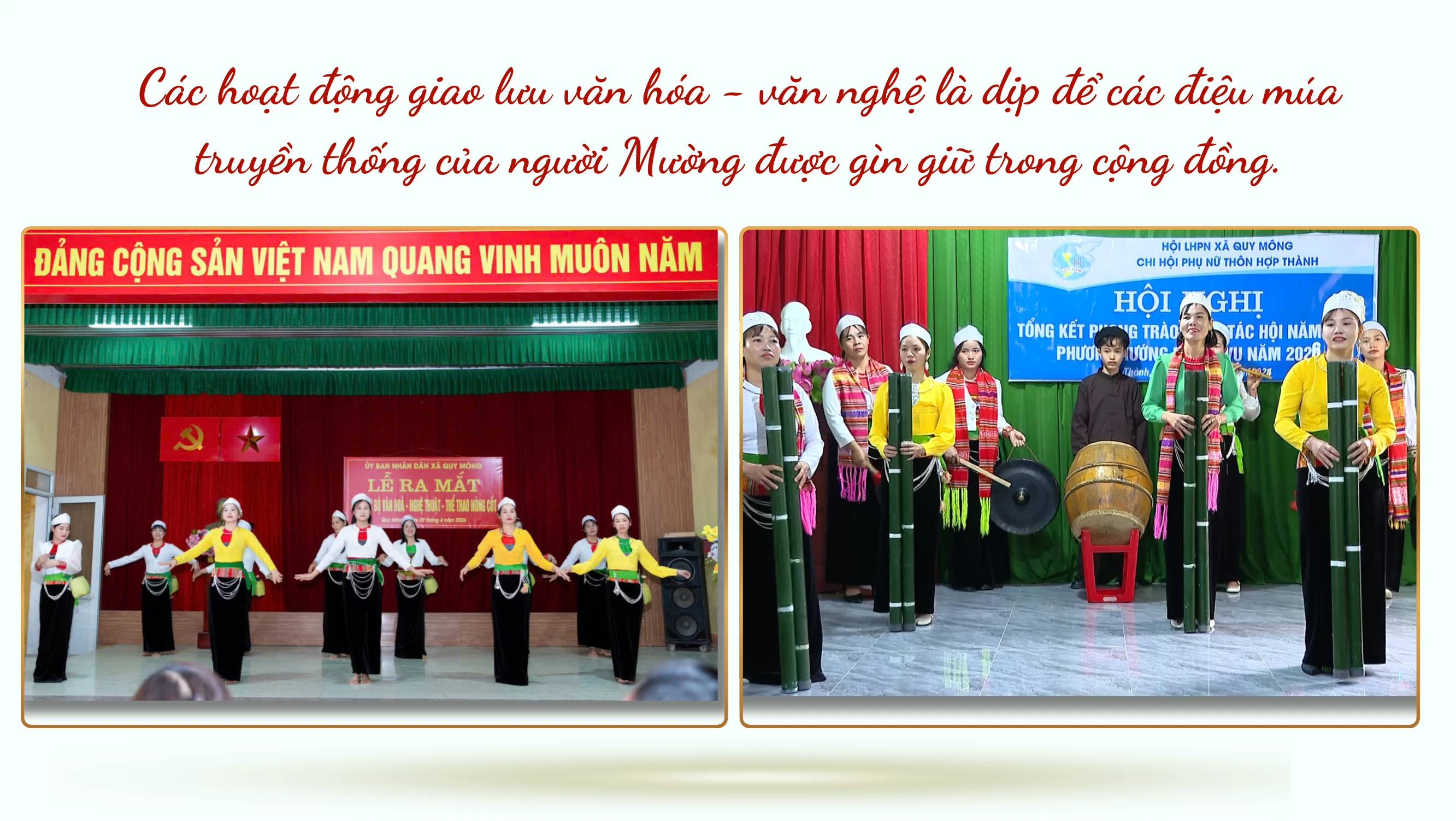
In addition, the commune continues to encourage artisans and elderly people to participate in passing on traditional cultural values to the younger generation; regularly organizing cultural and artistic exchange activities so that the language, costumes, folk songs, and gong art are present in community life.
Grassroots cultural institutions have also gradually received attention, investment, and upgrades. Village cultural centers have become places for community activities, performing arts practice, and the organization of many folk cultural activities, contributing to creating a space for preserving and spreading national identity.
Alongside cultural preservation, Quy Mong commune will focus on improving the material lives of its people through programs supporting production, vocational training, and job creation. With a stable economy, people will have more opportunities to participate in cultural activities and work together to preserve the traditional values of their ethnic group.
Source: https://baolaocai.vn/gin-giu-van-hoa-muong-o-quy-mong-post900447.html

![[Photo] Standing Committee member of the Party Central Committee Tran Cam Tu working with the Central Inspection Committee](https://vphoto.vietnam.vn/thumb/1200x675/vietnam/resource/IMAGE/2026/05/28/1779969579668_ndo_br_bnd-2495-jpg.webp)






















































Comment (0)