

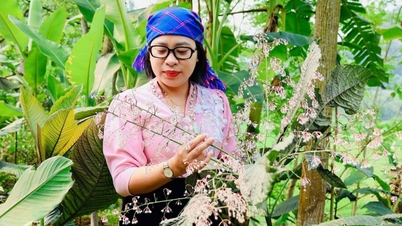
Ms. Nguyen Thi Mai's family in Khe Ban village is one of the largest cinnamon growers in the commune. Having started growing cinnamon in 2014, she has now expanded her plantation to over 20 hectares, earning over 300 million VND annually.
Besides cultivating her family's land, she also buys fresh cinnamon from villagers inside and outside the hamlet to process into cinnamon sticks, split cinnamon, and dried cinnamon for sale on the market. Each season, Ms. Mai's facility consumes hundreds of tons of fresh cinnamon, while also providing stable employment for many local workers.

Ms. Mai shared: "Before, I planted bodhi and acacia trees, but they weren't as profitable as cinnamon. Cinnamon provides a stable income, has a wide market, and many buyers, so there's no unsold stock."
Khe Ban village currently has 131 households, with over 90% growing cinnamon. The first four years of care are quite arduous, but from the fifth year onwards, households can prune leaves, branches, and trees for sale, with one hectare potentially bringing in tens of millions of dong. When the cinnamon trees reach about ten years old, the economic benefits become even more apparent, yielding an income of approximately 300-400 million dong per hectare. Thanks to cinnamon cultivation, the lives of the villagers have improved significantly: many families have escaped poverty and built spacious houses.
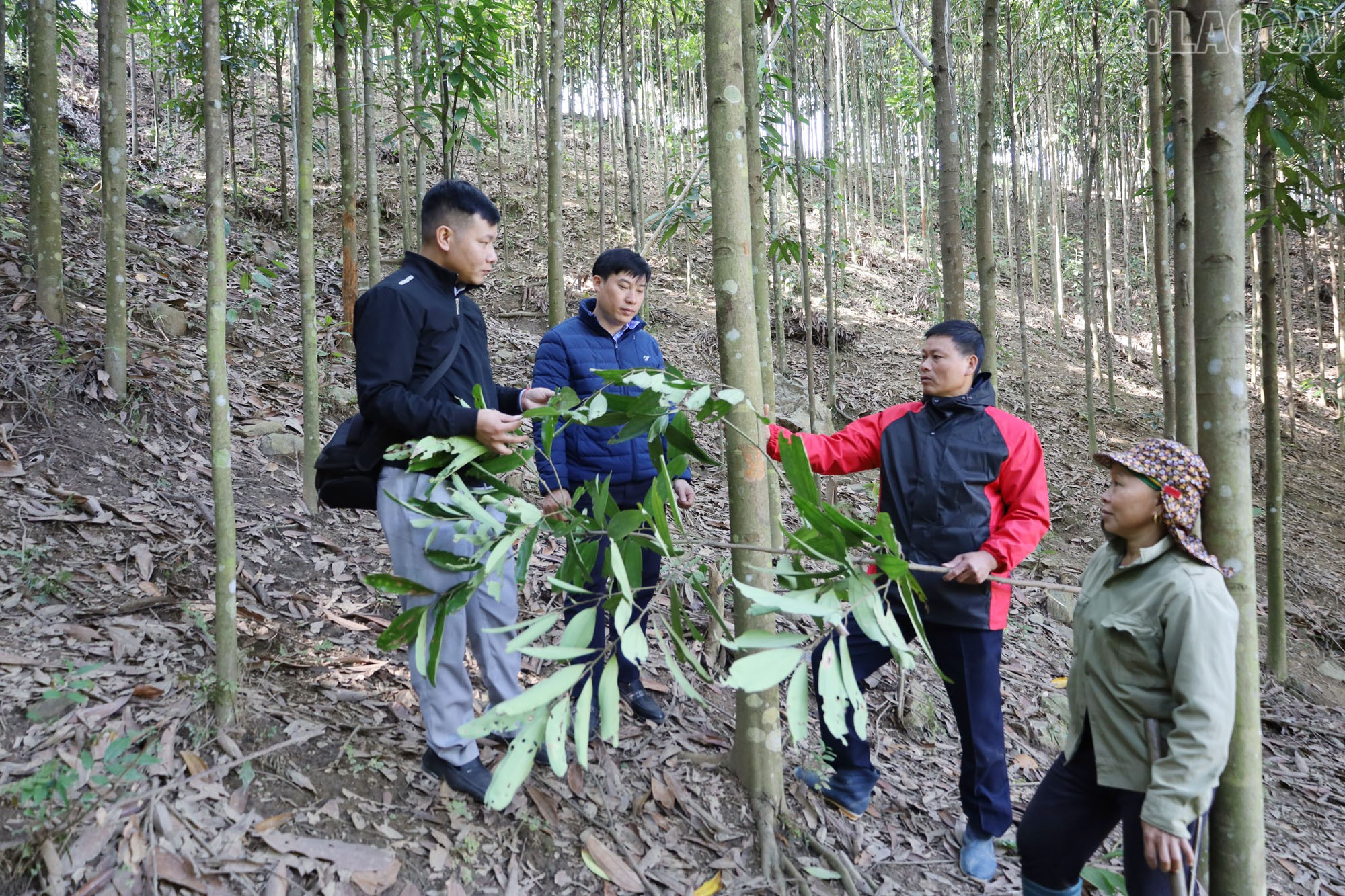
Mr. Ha Van Tien, head of Khe Ban village, said: Currently, the entire village only has 7 poor households, a decrease of 23 households compared to 2020. Up to 60% of households are well-off or wealthy. On average, each household cultivates about 2 hectares of cinnamon.
To enhance the value of cinnamon, Bao Ha commune is promoting linkages between local people and processing facilities. Currently, the commune has one cooperative and dozens of facilities that purchase and produce processed cinnamon products such as cinnamon sticks, cinnamon sticks, and split cinnamon... for export.
Cau May Agricultural and Service Cooperative is a prime example of effectively implementing the cinnamon cultivation-consumption linkage chain, creating stable jobs for many local workers and those in neighboring communes.


Ms. Ly Thi Thuy, from Bong village, who works at the cooperative, said: "My family cultivates 2 hectares of cinnamon under a partnership with the cooperative. Previously, we worried about selling our produce each harvest, and prices were unstable. Now, the cooperative buys it at a stable price, and we don't have to transport it far. In addition, I also work at the cooperative, mainly splitting and sorting cinnamon. My income is stable, over 7 million VND per month."


Mr. Ly Van Cau, Director of Cau May Agricultural and Service Cooperative, shared: "We are linked with more than 20 households that grow and purchase cinnamon raw materials, serving processing and export to India, Bangladesh, and some European countries. The cooperative regularly educates farmers on organic cinnamon cultivation, ensuring the quality of export goods. This linkage helps farmers feel secure in their production, while the cooperative has a proactive approach to securing raw materials."
Currently, the commune has 4,709 hectares of cinnamon trees, accounting for 46% of the total area of production forests, forming a concentrated raw material zone and creating a clear advantage for Bao Ha to develop its forest economy. On average, each hectare of cinnamon yields an income of 200-400 million VND, depending on the harvesting cycle and product quality. Thanks to the effective exploitation of this raw material zone, many households have become relatively well-off or wealthy, thus affirming cinnamon as a key poverty reduction crop in the locality.
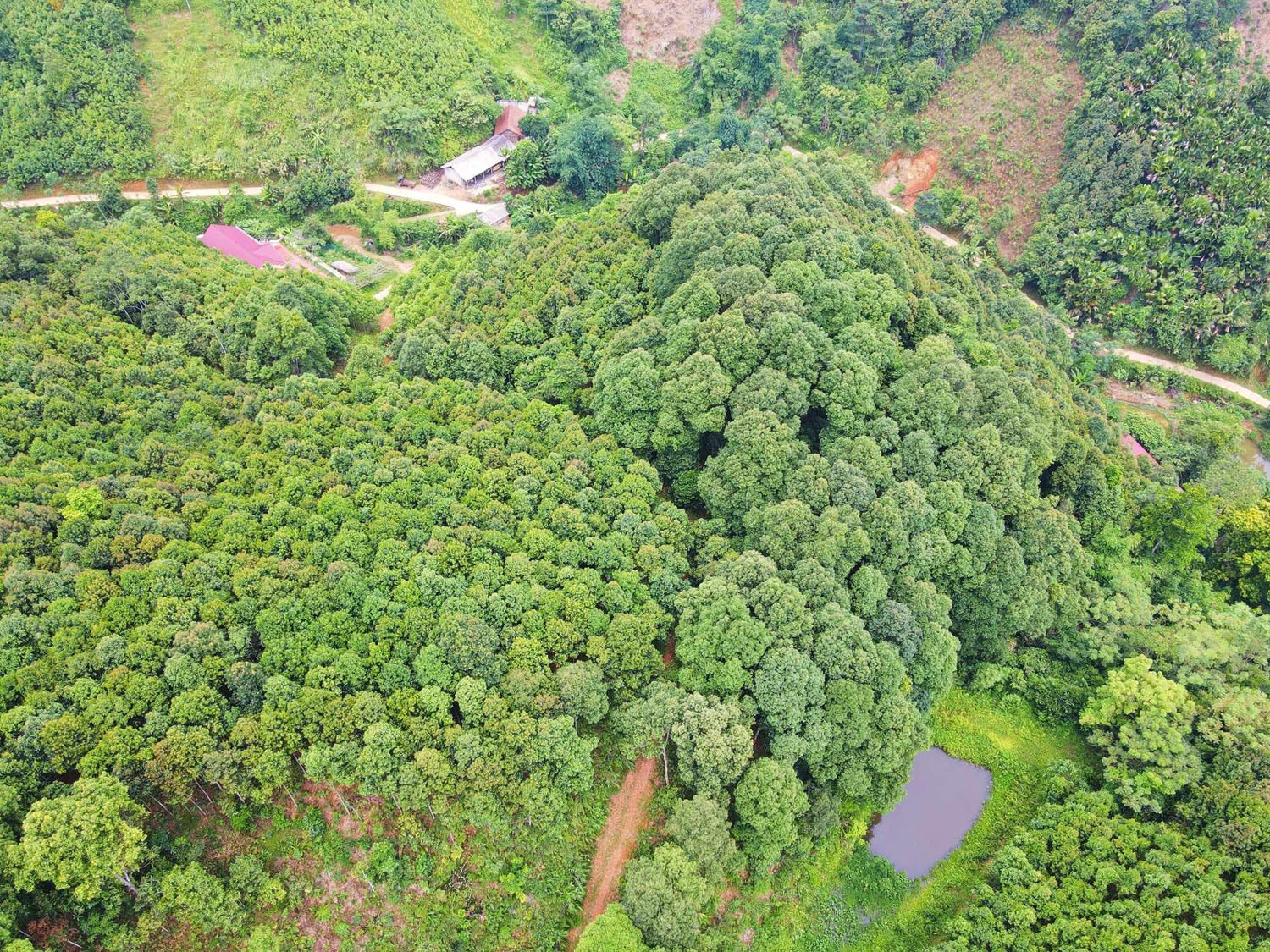

In the coming period, Bao Ha commune will continue to develop its cinnamon growing area in a concentrated and sustainable manner; encouraging people to plant and care for cinnamon trees using organic methods to enhance their value and meet market standards.
The commune aims to expand the cinnamon growing area while improving its quality; simultaneously, it will strengthen links with businesses and cooperatives to develop deep processing such as the production of essential oils, cinnamon powder, cinnamon incense, and handicrafts. This approach will diversify products, create more local jobs, enhance the economic value of cinnamon trees, and develop the cinnamon industry in a sustainable direction.
Source: https://baolaocai.vn/bao-ha-khai-thac-gia-tri-cay-que-de-giam-ngheo-ben-vung-post888229.html
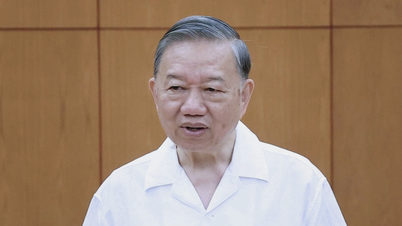
![[Photo] General Secretary and President To Lam presides over a meeting with the Central Organizing Committee.](https://vphoto.vietnam.vn/thumb/1200x675/vietnam/resource/IMAGE/2026/06/03/1780482764658_a1-bnd-4741-3342-jpg.webp)
![[Photo] First session of the 14th Congress of the Vietnam Trade Union](https://vphoto.vietnam.vn/thumb/1200x675/vietnam/resource/IMAGE/2026/06/03/1780465947883_ndo_br_img-3852-jpg.webp)

![[Photo] Secretary of the National Assembly Party Committee, Chairman of the National Assembly presides over the meeting of the Standing Committee and Executive Committee of the National Assembly Party Committee.](https://vphoto.vietnam.vn/thumb/1200x675/vietnam/resource/IMAGE/2026/06/03/1780480353201_ndo_br_bnd-2585-jpg.webp)
























![[Video] Sunset at Lap An Lagoon – Where the sun sets over the fishing nets](https://vphoto.vietnam.vn/thumb/1200x675/vietnam/resource/IMAGE/2026/05/31/1780192137701_beach-landscape-sea-water-nature-grass-745871-pxhere-com.jpeg)





















Comment (0)