|
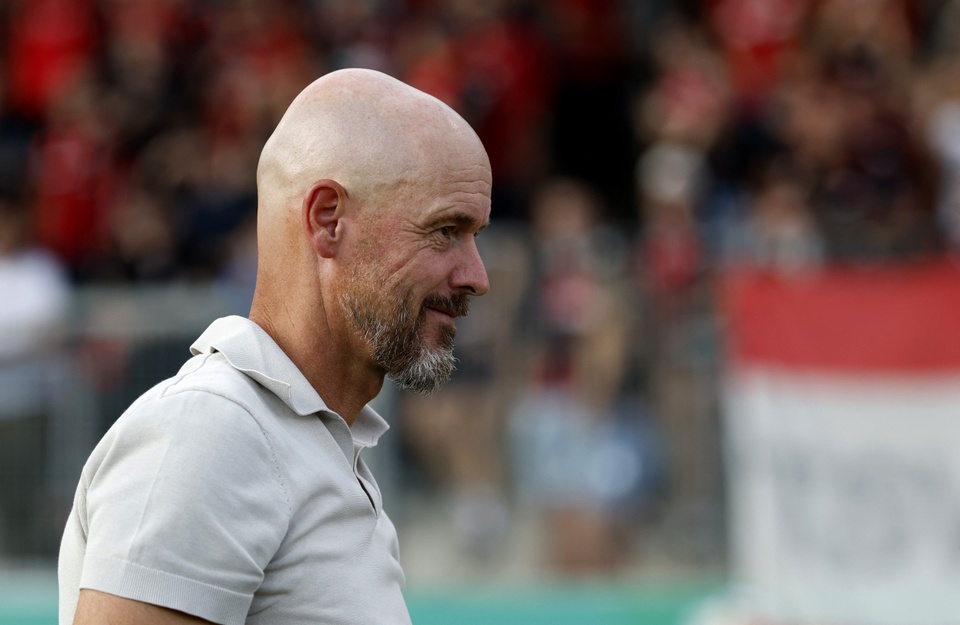
In less than three months, the marriage between Bayer Leverkusen and Erik ten Hag ended bitterly. |
On the afternoon of September 1st, the management of "Die Werkself" (Bayer Leverkusen's nickname) decided to sack the Dutch coach – a "sentence" that many had predicted beforehand, but still caused a shock due to its swiftness and harshness. Behind this move lies a series of foreseeable crises, in which Ten Hag became both a victim and a "culprit" in the tumultuous overhaul of the German team.
A miscalculation by Leverkusen.
When Xabi Alonso left in the summer, taking with him the glory of a Bundesliga-Cup double, Leverkusen were forced to find a successor. Ten Hag, after a turbulent time at Manchester United, was chosen with the expectation of bringing discipline, methodical approach, and international prestige. He was also given a lucrative contract worth €5.5 million per season, making him the second-highest-paid coach in the Bundesliga.
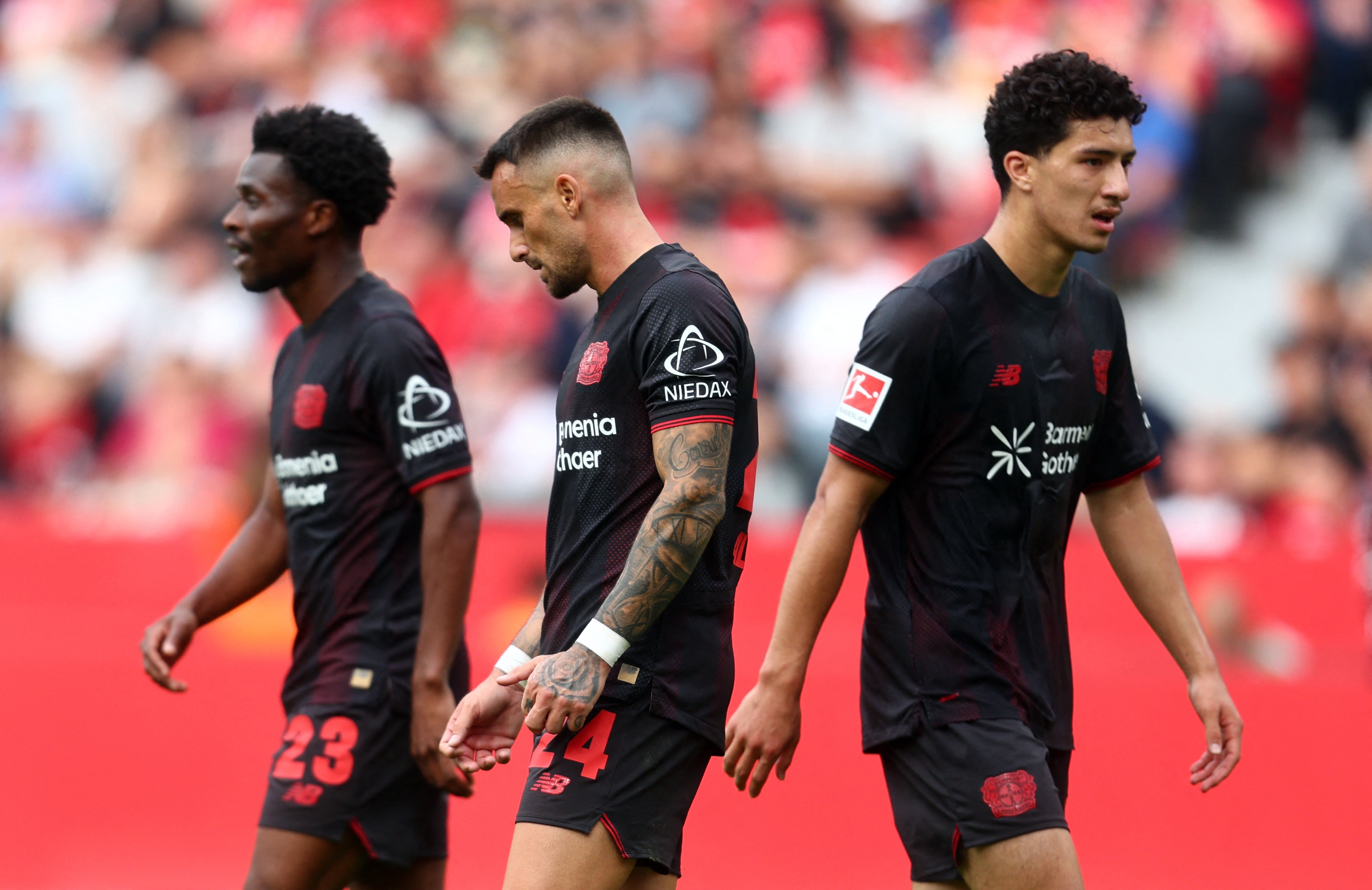
But after just a few matches, this "gamble" revealed its true risks. Leverkusen started the Bundesliga with one point after two rounds, losing 1-2 at home and then drawing 3-3 against Bremen despite leading 3-1. More worrying was the chaotic atmosphere in the dressing room: Patrik Schick and Exequiel Palacios argued over who should take the penalty, captain Robert Andrich openly complained that his teammates were "only playing for themselves," and new signings like Malik Tillman expressed anger after the team missed a chance to win against an opponent reduced to 10 men.
A team that had just lost key players – Florian Wirtz, Jeremie Frimpong, Granit Xhaka, and Jonathan Tah Hincapie – had barely managed to rebuild its cohesion before it quickly fell into a spiral of instability. In this situation, Ten Hag failed to find a solution and even contributed to deepening the conflict.
The most dangerous signals didn't come from the pitch, but from the VIP stands. Before the Bundesliga match against Bremen on August 30th, Sporting Director Simon Rolfes avoided publicly supporting Ten Hag on television. After the disastrous draw, Leverkusen's leadership remained silent. No assurances, no reassuring messages – just avoidance.
|
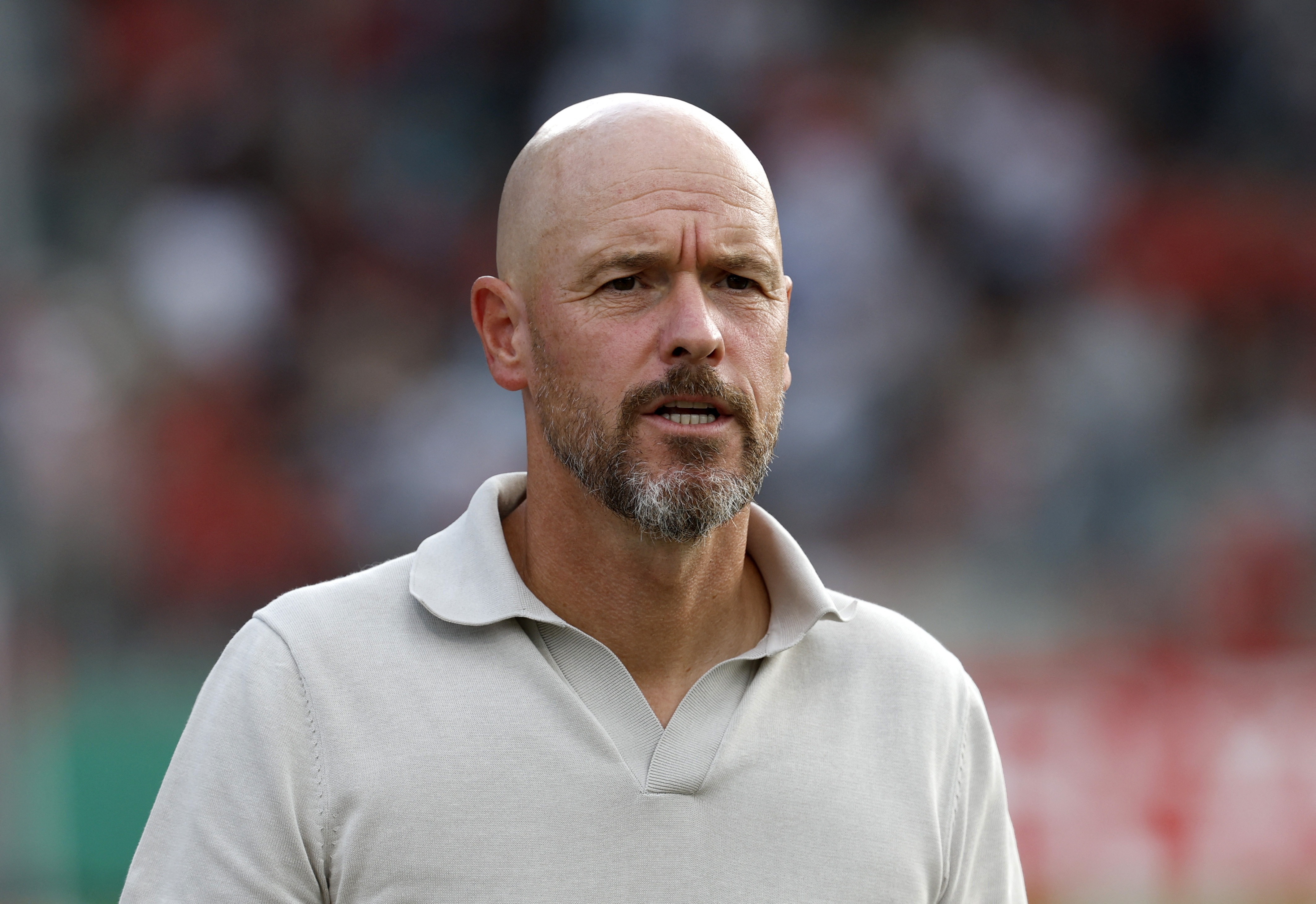
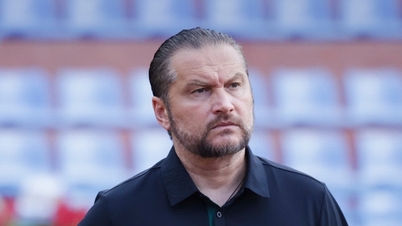
Leverkusen are losing patience with Erik ten Hag. |
In top-level football, "silence" from the top often means a "sentence" is waiting. People often talk about "public affirmations from the leadership that they still trust the coach" as a morale booster, but at Leverkusen, Ten Hag never received that. He became an outcast in the very project he was hired to lead.
Notably, Leverkusen had previously stated they would "assess the situation after the transfer window closes." However, poor results and a chaotic dressing room forced them to shorten the process. Sacking Ten Hag on September 1st was not just a technical decision, but also a message: the management acknowledged their mistake and were ready for urgent surgery to save the season.
Ten Hag - a man trapped in adversity.
To be fair, Ten Hag found himself in a difficult situation. He inherited a team that had just lost legendary manager Alonso and suffered a significant loss of key players. The former Ajax and Manchester United manager had less than two months to experiment with formations, integrate new signings, and restore order in the dressing room. But professional football doesn't have the concept of "absolute patience."
Ten Hag's approach—emphasizing discipline, demanding focus, and sacrifice—clashed head-on with the players' insecurity following the departure of several key leaders. Instead of building trust, he faced subtle resistance. When Schick and Palacios argued on the pitch, it wasn't just a dispute over a penalty but also reflected the manager's loss of control. When Andrich was forced to speak up, it was a sign that Ten Hag no longer commanded the dressing room.
|
Leverkusen is in chaos. |
Ten Hag once said, "I'm not a magician." But at Leverkusen, people don't wait for miracles – they need at least a stable framework to pursue their ambitions. And Ten Hag, unfortunately, failed to create that.
Modern football is inherently ruthless. Just two rounds of matches, two disappointing results, and a fractured atmosphere were enough to end Ten Hag's reign at Leverkusen. For the club, this decision was an attempt to cut losses early, avoiding a chaotic season. For Ten Hag, it was a painful blow to a career already scarred by his failure at Manchester United.
What awaits Leverkusen? An interim coach will have to scramble to stabilize the situation, while the board must find a long-term replacement. What awaits Ten Hag? Perhaps a long period away from the top-level duels, to reflect on why he has repeatedly failed when rebuilding big teams.
Erik ten Hag arrived at Leverkusen with the expectation of establishing a new dynasty, but ultimately only managed to leave behind a few weeks of chaos. The decision to sack him at the beginning of September marked a swift end to his short adventure and exposed the harsh realities of modern football: no results, no place.
In the eyes of many, Ten Hag was a victim of circumstances – but it's also undeniable that he failed to build trust and order. And in Leverkusen, when trust crumbles, everything falls apart in the blink of an eye.
Source: https://znews.vn/bi-kich-bong-da-cua-ten-hag-post1581822.html






















![[Photo] Reception to welcome General Secretary and President To Lam and his wife on their State visit to the Philippines](https://vphoto.vietnam.vn/thumb/1200x675/vietnam/resource/IMAGE/2026/06/01/1780295488620_vna-potal-chieu-dai-chao-mung-tong-bi-thu-chu-tich-nuoc-to-lam-va-phu-nhan-tham-cap-nha-nuoc-toi-philippines-8798060-7855-jpg.webp)
































































Comment (0)