

South Korea's defense industry is growing rapidly, partly due to the increasing demand for enhanced military capabilities in response to regional security concerns, as well as from European countries.
South Korea's arms sales in 2022 exceeded $17 billion, significantly higher than the $7.25 billion in 2021, Reuters reported, citing the country's Ministry of Defense . This surge in revenue comes as Western nations seek weapons to bolster their security following aid to Ukraine and as tensions rise in other hotspots such as the East Sea and the Korean Peninsula.
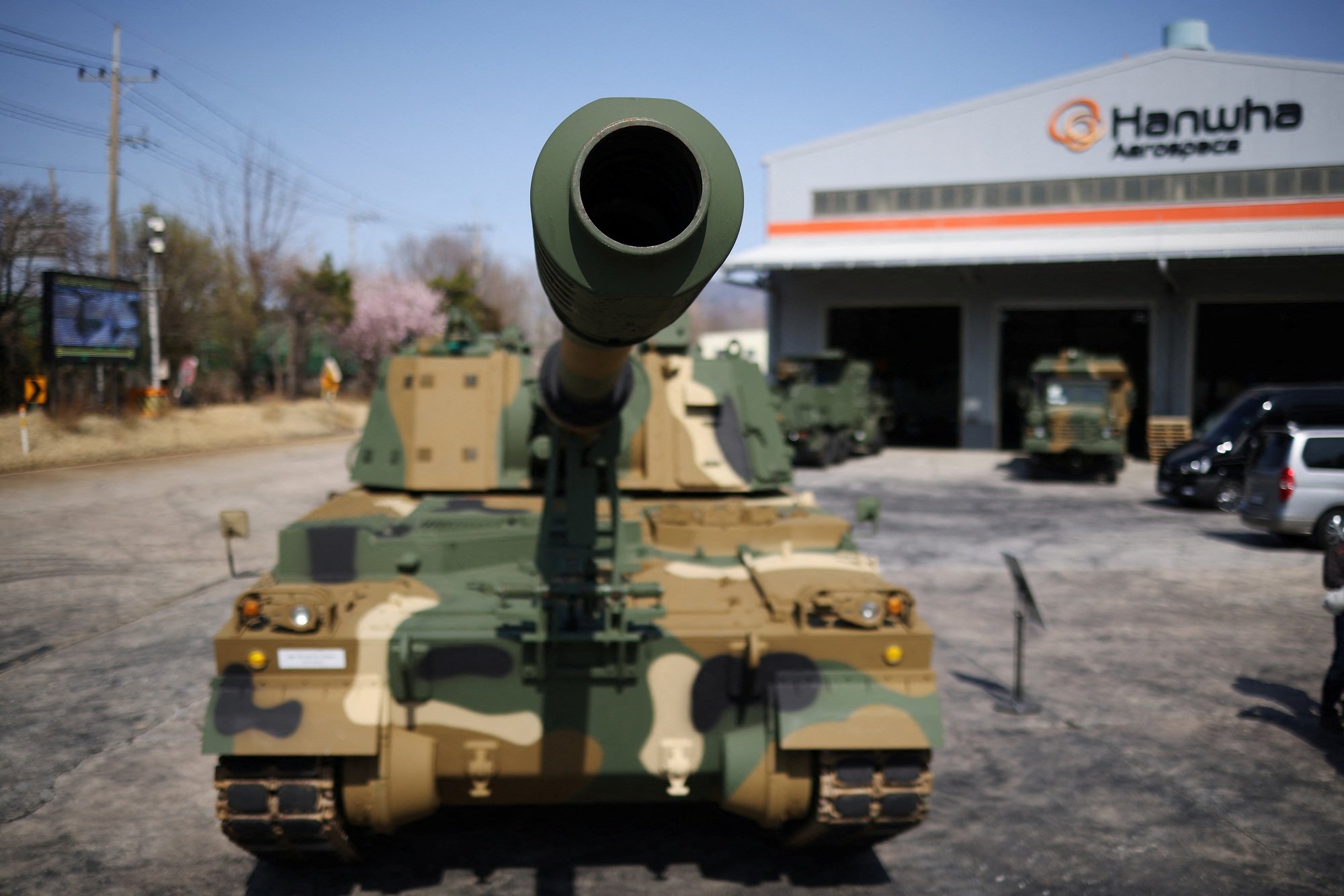
South Korea's K-9 self-propelled artillery
Foundation contract
Last year, South Korea signed the largest arms sale in its history. The contract with Poland, worth $13.7 billion, included hundreds of Chunmoo rocket launchers, K2 tanks, K9 self-propelled artillery, and FA-50 fighter jets.
According to the contract, joint ventures of South Korean and Polish companies will be established to manufacture weapons, maintain aircraft, and set up a framework for supplying weapons to other European countries in the future, said Lukasz Komorek, director of the export projects office of the Polish arms group PGZ. A portion of the South Korean weapons will be manufactured in Poland under the licensing agreement. It is expected that 500 out of a total of 820 tanks and 300 out of 672 howitzers will be manufactured at factories in Poland starting in 2026.
South Korean and Polish government officials and defense companies believe the contract lays the groundwork for them to conquer the European arms market, even after the conflict in Ukraine ends. Accordingly, South Korea will supply high-quality weapons faster than other suppliers, while Poland will provide both production capacity and a sales channel into the European market.
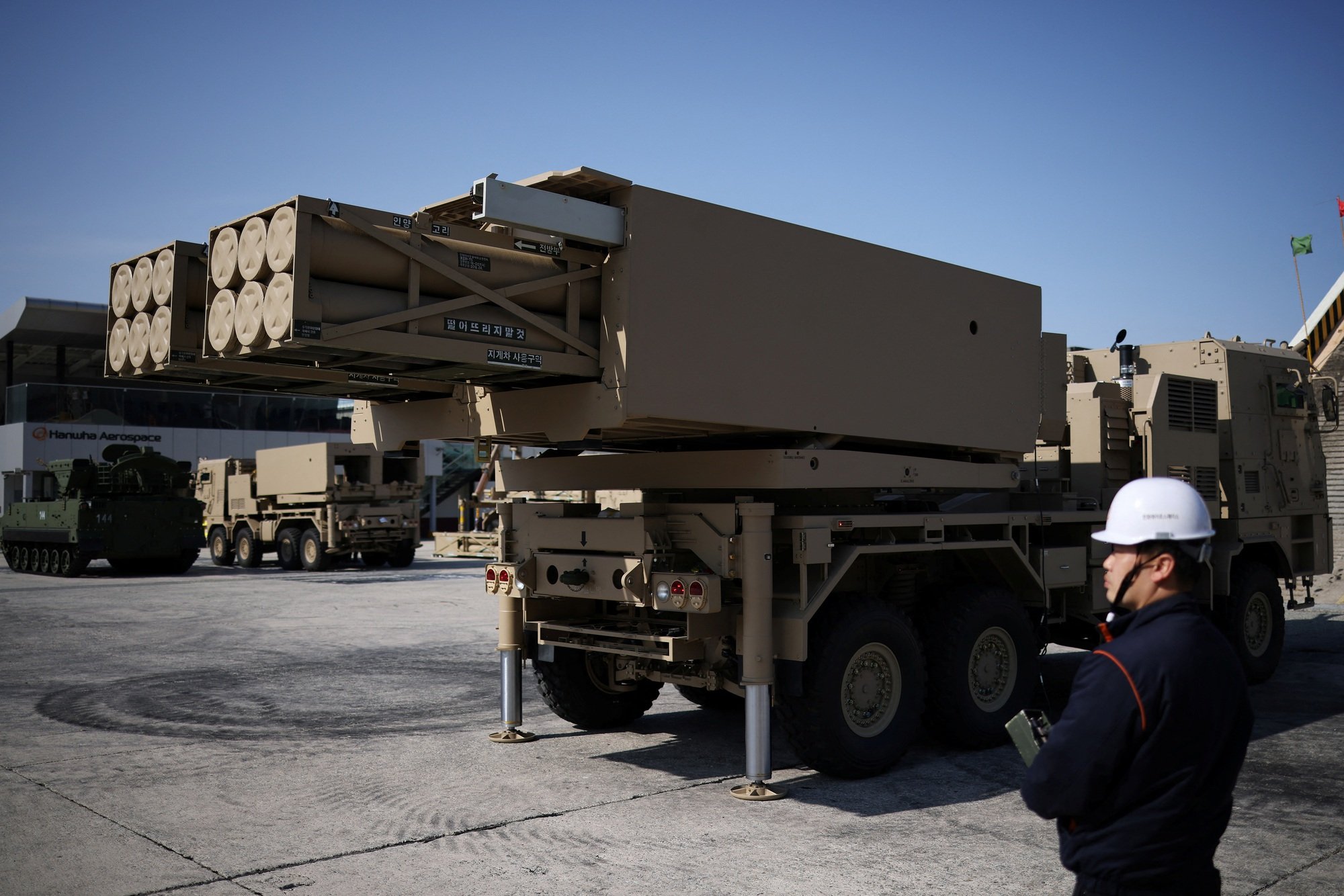
The K-239 Chunmoo rocket launcher at Hanwha Aerospace's plant in Changwon, South Korea.
Leaders of South Korean arms manufacturers say their ability to deliver quickly is an advantage over other arms suppliers. "They assemble the parts in weeks or months, while it takes us years," Reuters quoted a European defense executive as saying.
South Korean officials argue that the close relationship between the military and the arms industry allows them to rearrange domestic orders to prioritize exports.
Polish officials said the main factor in their consideration of signing the contract was South Korea's offer to deliver the weapons faster than most other parties. In December 2022, the first 10 K2 tanks and 24 K9 howitzers arrived in Poland, just months after the contract was signed, and at least five more tanks and 12 more howitzers were delivered afterward.
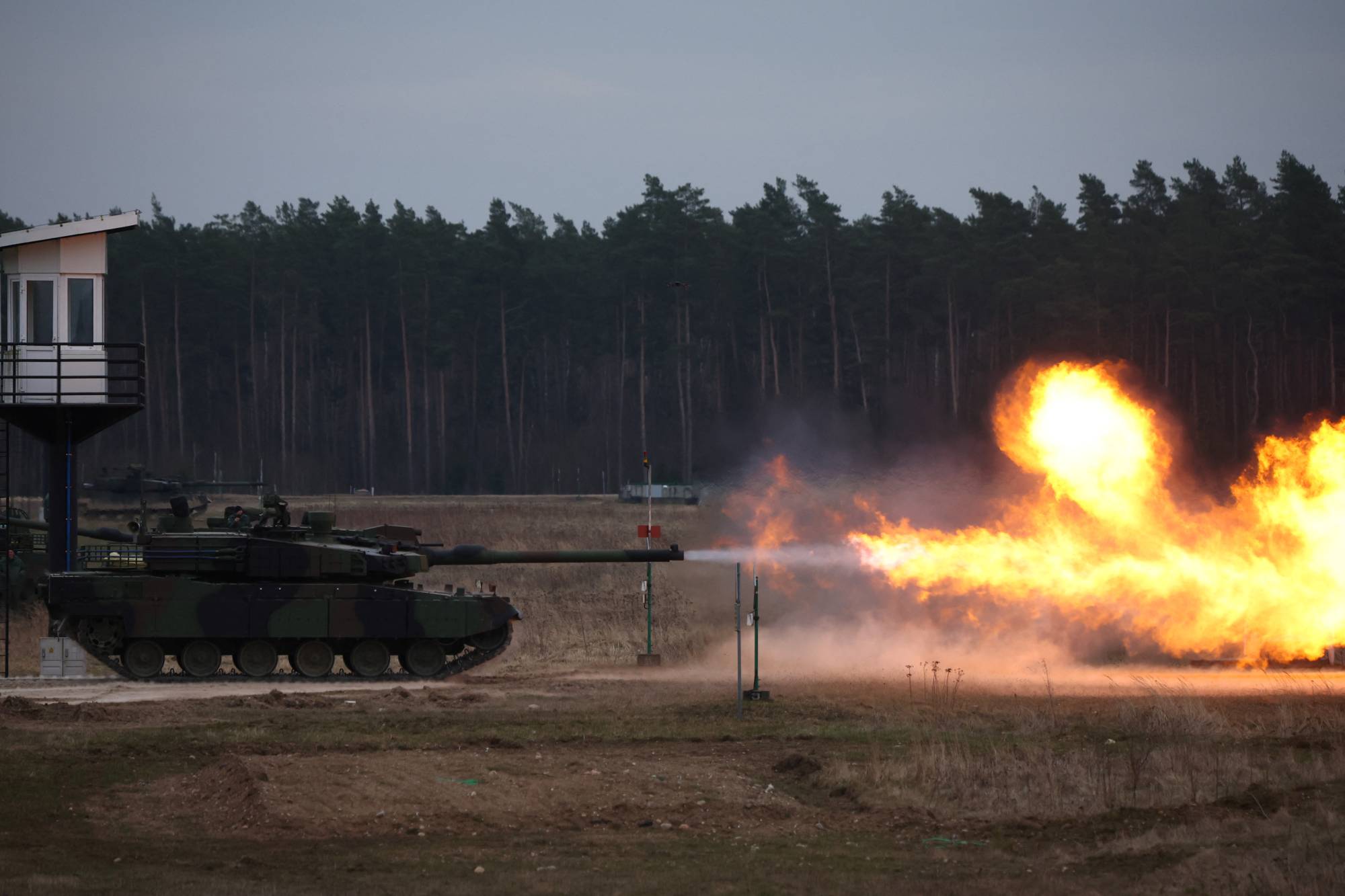
K-2 tanks during a military exercise in Poland in March.
Conversely, Germany, despite being a major European arms producer, has not delivered any Leopard tanks to Hungary, even though Budapest placed an order in 2018, according to analyst Oskar Pietrewicz of the Polish Institute of International Relations. "Interest from various countries in the South Korean offer can only increase due to the limited production capacity of the German defense industry, which is a major arms supplier in the region," Pietrewicz said.
At Hanwha Aerospace's K9 artillery factory in southern South Korea, robots handle about 70% of the welding work and play a key role in increasing productivity. The company's production director, Cha Yong-su, said the robots are working an average of eight hours a day but can work non-stop if needed. "Basically, we can fulfill any order quantity you want," Cha said.
Oh Kyea-hwan, another manager at Hanwha Aerospace, said the company has technology-sharing agreements with India, Egypt, and Türkiye, so there's no need to worry about productivity. "Thanks to that, I don't think there's anything to be overly concerned about," he said.
High compatibility
Another advantage for South Korea is that its weapons are highly compatible with those of the United States and Europe.
The K9 self-propelled howitzer uses NATO-standard 155 mm ammunition, has a computerized fire control system, is designed for easy integration into command and control networks, and has capabilities comparable to more expensive Western howitzers. India and Australia are currently using this howitzer.
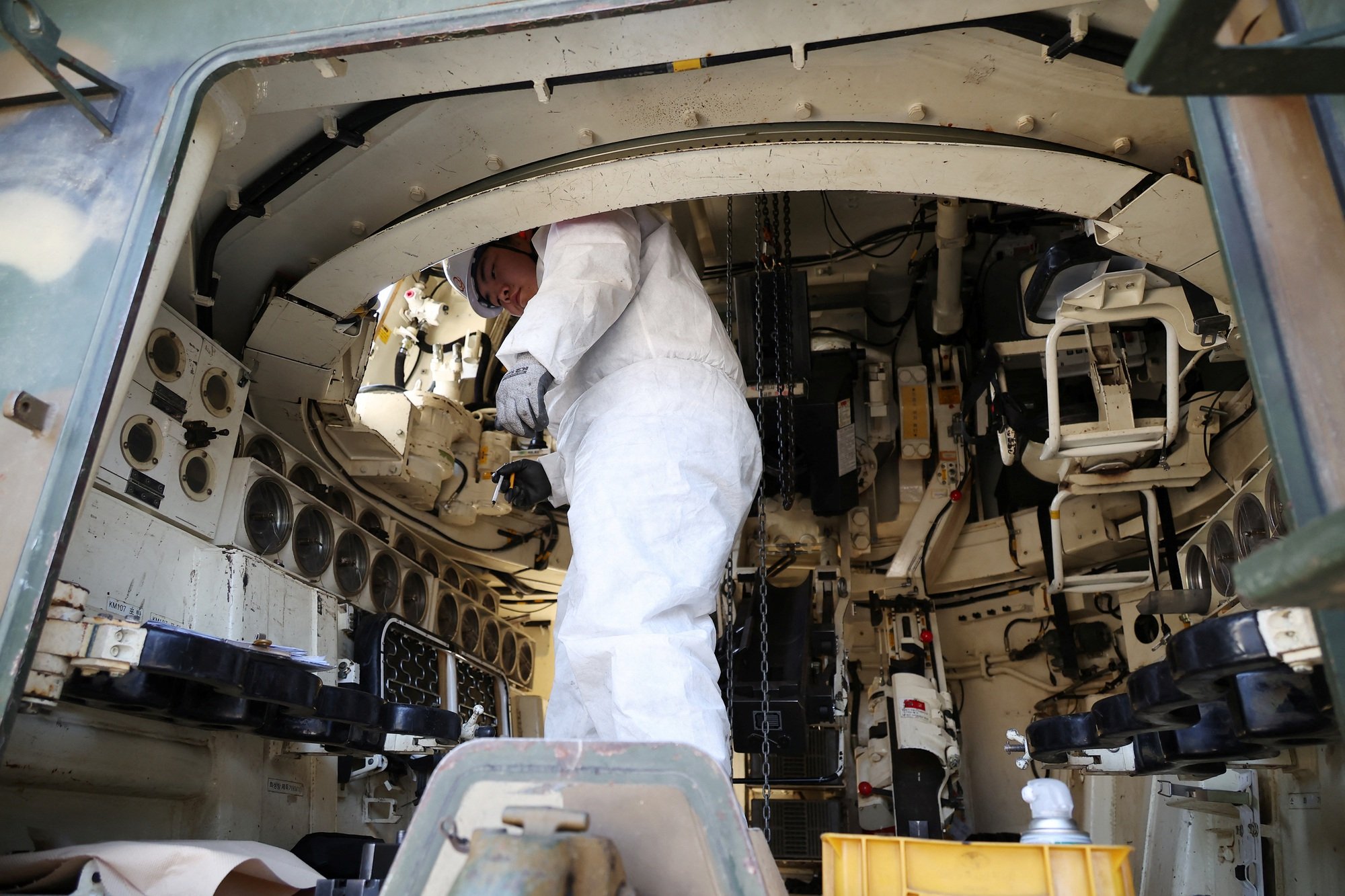
Engineers work on a K-9 self-propelled howitzer at Hanwha Aerospace's factory in Changwon, South Korea.
"The Czech Republic, Romania, Slovakia, Finland, Estonia, Latvia, Lithuania, and other countries used to only consider purchasing defense supplies from Europe, but now they know that they can buy products at low prices and have them delivered quickly from South Korean companies," said Oh.
Currently, South Korea is the third-largest arms supplier to NATO and its member states, accounting for 4.9% of their purchases, according to the Stockholm International Peace Research Institute (SIPRI, Sweden). However, this figure is still significantly lower than that of the United States (65%) and France (8.6%).
Hanwha Aerospace holds 55% of the global howitzer market share and is estimated to increase that to 68% thanks to its contract with Poland, according to research by NH Research & Securities.
Meanwhile, the Asian market accounted for 63% of South Korea's arms exports from 2018-2022, according to SIPRI. These orders were signed amid increased arms buildup in the region due to security concerns and US-China competition. Furthermore, ongoing tensions with North Korea have kept South Korean production lines and weapons under constant pressure, according to Cho Woo-rae, vice president of global business and strategy at defense firm Korea Aerospace Industries.
Currently, South Korea is developing the KFX fighter jet with Indonesia, and Polish leaders have also expressed interest. Malaysia purchased nearly $1 billion worth of FA-50 fighter jets this year, and South Korea is also seeking a $12 billion contract to sell next-generation infantry fighting vehicles to Australia. "Asian countries see us as a very attractive partner for defense deals, as we are all looking to mitigate rising tensions," said a diplomat in Seoul.
Source link

![[Photo] Delegation attending the 14th Congress of the Vietnam Trade Union visits the Mausoleum of President Ho Chi Minh.](https://vphoto.vietnam.vn/thumb/1200x675/vietnam/resource/IMAGE/2026/06/03/1780451842301_ndo_br_img-3824-jpg.webp)



























































Comment (0)