

Phlegm is mucus that lines the nose and trachea, lubricating them and trapping bacteria, dust, and irritants when air is inhaled into the lungs. In most cases, coughing up clear or white phlegm is nothing to worry about, according to the health website Medical News Today (UK).
However, if the phlegm is yellow, green, or brown, it could be due to the following conditions:
Respiratory tract infection

A persistent cough with phlegm could be due to asthma, the flu, bronchitis, or pneumonia.
Respiratory infections affect the throat, nasal sinuses, trachea, and lungs. Common symptoms of respiratory infections include yellow, green, or brown mucus, along with sneezing, nasal congestion, sore throat, headache, fever, body aches, and wheezing.
Common respiratory infections include the common cold, bronchitis, sinusitis, bronchiolitis, and pneumonia. Depending on whether the cause is bacteria or a virus, the doctor will prescribe the appropriate medication.
Asthma
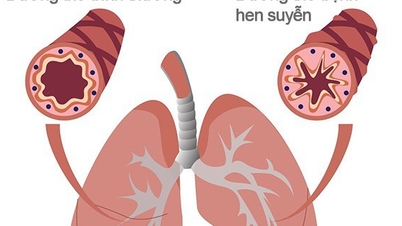
Asthma includes characteristic symptoms such as wheezing, chest tightness, shortness of breath, and a cough with phlegm. The disease occurs when the trachea constricts, disrupting airflow, leading to difficulty breathing and other symptoms.
Asthma-related phlegm is usually white or clear. If the phlegm turns yellow, you should see a doctor as soon as possible. This is due to infection and will worsen your asthma.
Lung disease
The American Lung Association (ALA) warns that frequent coughing accompanied by phlegm may indicate a problem with the lungs. This is especially true if the phlegm is yellow, green, or brown.
One of the most common lung diseases that leads to this condition is chronic obstructive pulmonary disease (COPD). In this condition, the bronchi or alveoli of the affected person are damaged, leading to mucus buildup and difficulty breathing. COPD is a chronic disease and will worsen over time.
Gastroesophageal reflux
Gastroesophageal reflux disease (GERD) is characterized by symptoms such as heartburn, nausea, and throat irritation. The cause is stomach acid frequently flowing back up into the esophagus, damaging the tissue lining the esophagus.
When the tissues in the esophagus are constantly irritated by stomach acid, it can lead to asthma, pneumonia, and bronchitis. To treat this, in addition to medication, patients need to change their lifestyle, such as quitting smoking, eating a healthy diet, and avoiding reflux triggers like spicy foods, alcohol, fatty foods, acidic fruits, and caffeinated beverages, according to Medical News Today.
Source link
![[Photo] First session of the 14th Congress of the Vietnam Trade Union](https://vphoto.vietnam.vn/thumb/1200x675/vietnam/resource/IMAGE/2026/06/03/1780465947883_ndo_br_img-3852-jpg.webp)


![[Photo] General Secretary and President To Lam presides over a meeting with the Central Organizing Committee.](https://vphoto.vietnam.vn/thumb/1200x675/vietnam/resource/IMAGE/2026/06/03/1780482764658_a1-bnd-4741-3342-jpg.webp)

![[Photo] Secretary of the National Assembly Party Committee, Chairman of the National Assembly presides over the meeting of the Standing Committee and Executive Committee of the National Assembly Party Committee.](https://vphoto.vietnam.vn/thumb/1200x675/vietnam/resource/IMAGE/2026/06/03/1780480353201_ndo_br_bnd-2585-jpg.webp)






















































![[Video] Sunset at Lap An Lagoon – Where the sun sets over the fishing nets](https://vphoto.vietnam.vn/thumb/1200x675/vietnam/resource/IMAGE/2026/05/31/1780192137701_beach-landscape-sea-water-nature-grass-745871-pxhere-com.jpeg)








































Comment (0)