

Iran and Saudi Arabia – two rival powers in the Gulf region – have both received invitations to join the BRICS group of emerging economies led by China and Russia.
Although this platform is considered a suitable ground for the burgeoning process of bilateral normalization between the two sides, the reactions from Tehran and Riyadh to the invitation to join BRICS have differed significantly.
Two platforms, one purpose
One of the notable aspects of the BRICS (Brazil, Russia, India, China, and South Africa) “historic decision” announced at the summit in Johannesburg, South Africa last month was the invitation extended to Iran and Saudi Arabia – two rival powers in the Gulf – to join the group.
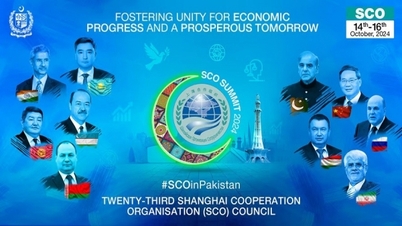
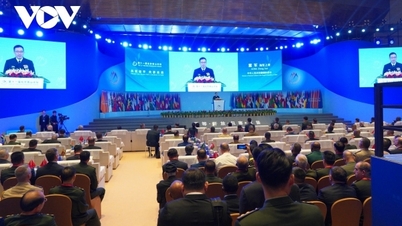
But BRICS is not the only multilateral platform for cooperation and dialogue between Riyadh and Tehran. Earlier, in 2022, Iran became a full member of the Shanghai Cooperation Organization (SCO), while Saudi Arabia became a “dialogue partner” and has prospects of becoming a full member of the China-led Eurasian security forum.
The simultaneous accession to BRICS and, in the future, Saudi Arabia's accession to the SCO could further strengthen the process of bilateral normalization between Tehran and Riyadh.
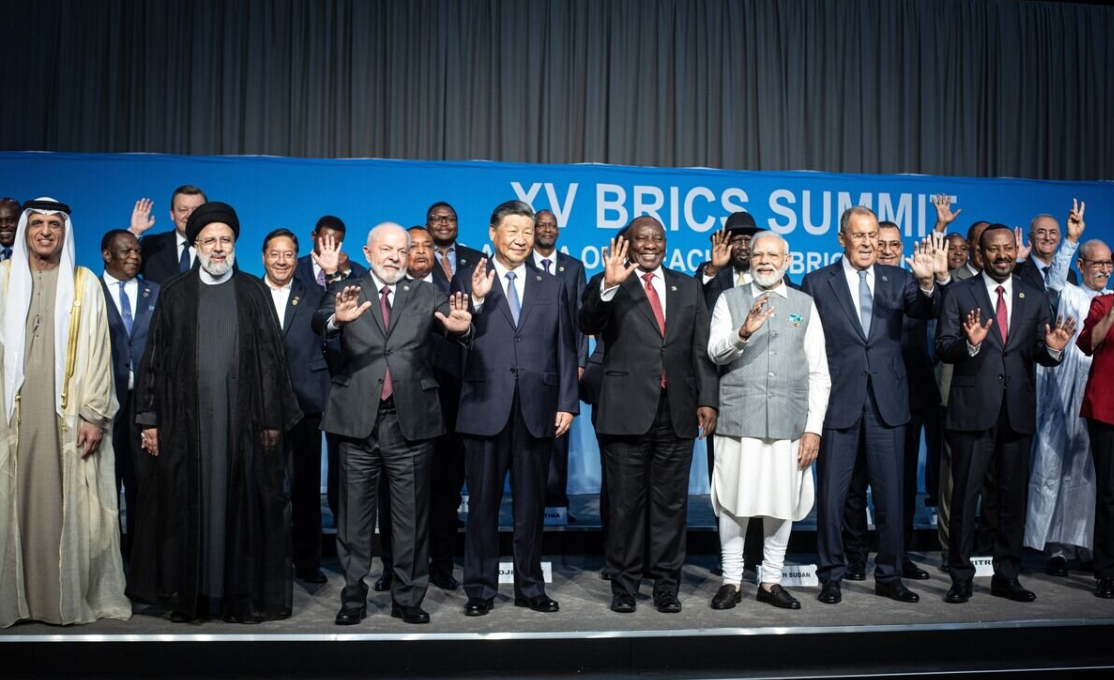
Leaders attending the 15th BRICS Summit in South Africa pose for a commemorative photo in August 2023. At the summit, BRICS made a historic decision to invite six more countries to join the group, including Iran and Saudi Arabia. Photo: Tehran Times
For Iran and Saudi Arabia, what matters is a trajectory, a long-term prospect of normalization, rather than immediate results and unrealistic commitments and expectations. In other words, a forum like BRICS, where both countries can interact on an equal footing and all decisions are made by consensus, could be a suitable platform for gradually building mutual trust.
However, the reactions from Tehran and Riyadh to the invitation to join BRICS differed significantly. While Iranian officials were pleased with the prospect, Saudi Arabia – a traditional US ally in the Middle East – was far more cautious. Riyadh indicated the need for further study of the requirements of BRICS membership before confirming its participation.
These reactions stem from the differing needs of the two Middle Eastern giants. For Iran, joining the SCO is scrutinized more closely than joining BRICS. In the eyes of the West, BRICS is unlike the SCO, being more global because its members include democracies. Being given the "green light" to join this bloc is a diplomatic success for Iran.
As for Saudi Arabia, analysts say that before making any decisions, it will first gauge the US reaction.
Even more ups and downs
The kingdom's once-solid alliance with the US has loosened on several fronts; joining BRICS would further fuel this trend – but Saudi Arabia is far from severing ties with the world's leading power.
“First, Saudi Arabia will assess Washington’s response and consider any offers from delegations that U.S. President Joe Biden will send to Riyadh, before further considering accepting the invitation,” Sami Hamdi, managing director of International Interest, a political risk firm focused on the Middle East, told Al Jazeera.
However, Saudi Arabia is already a regional leader, and Crown Prince Mohammed bin Salman (MBS) makes no secret of his ambition to make his kingdom a global power. And diversifying its foreign relations, particularly building deeper ties with China, is equally important, according to Michelle Grise, senior policy researcher at the RAND Corporation.
Therefore, it is highly likely that Riyadh, after the necessary diplomatic pause, will accept the invitation to join BRICS.
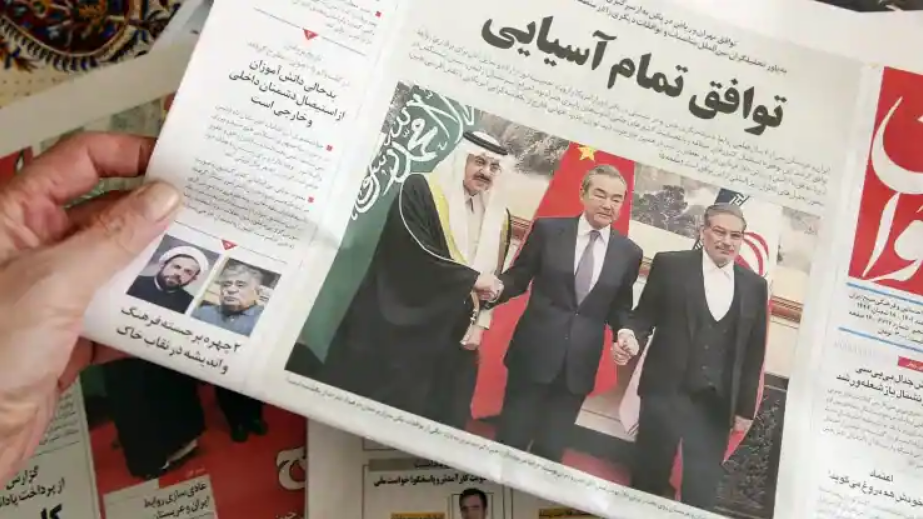
A resident in Tehran holds a local newspaper, dated March 11, 2023, reporting on a China-brokered agreement between Iran and Saudi Arabia aimed at restoring relations between the two former Middle Eastern adversaries. Photo: Getty Images
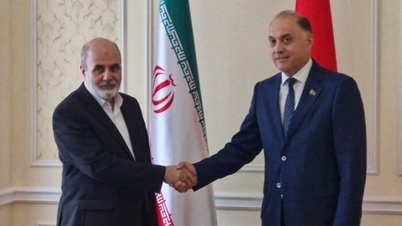
Significantly, after all, platforms like BRICS and SCO can only support, not replace, the roadmap for bilateral normalization between Saudi Arabia and Iran. Although the Tehran-Riyadh dialogue has included high-level meetings of foreign ministers and top defense officials, it is still in its early stages. Despite the optimistic timeline, the work of diplomatic missions in both countries has not yet been fully restored.
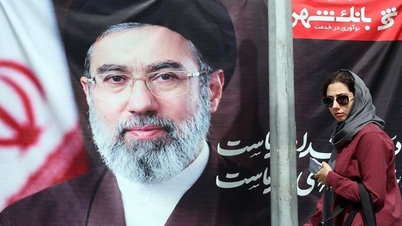
It is likely that Saudi Arabia-Iran relations will experience further ups and downs, especially if the normalization of relations between Saudi Arabia and Israel materializes. Iranian President Ebrahim Raisi has warned that the normalization of relations between Saudi Arabia and Israel would not only be a betrayal of the Palestinian cause but also a catalyst for instability in the region.
If Saudi Arabia and Iran once again take a confrontational step, it could negatively impact BRICS cohesion, as both sides use whatever leverage they have to disadvantage the other. In that case, current BRICS members might regret their decision to bring geopolitical rivals from the Gulf into their group.
Most importantly, however, both Tehran and Riyadh see long-term national interests in pursuing de-escalation and normalization of relations. At least in the near future, this trajectory appears secure, despite the pitfalls along the way. Common membership of BRICS – and potentially the SCO in the future – provides further ground for confidence-building efforts .
Minh Duc (Based on Modern Diplomacy, Al Jazeera)
Source




![[Photo] Standing Committee member of the Party Central Committee Tran Cam Tu working with the Central Inspection Committee](https://vphoto.vietnam.vn/thumb/1200x675/vietnam/resource/IMAGE/2026/05/28/1779969579668_ndo_br_bnd-2495-jpg.webp)





























































































Comment (0)