

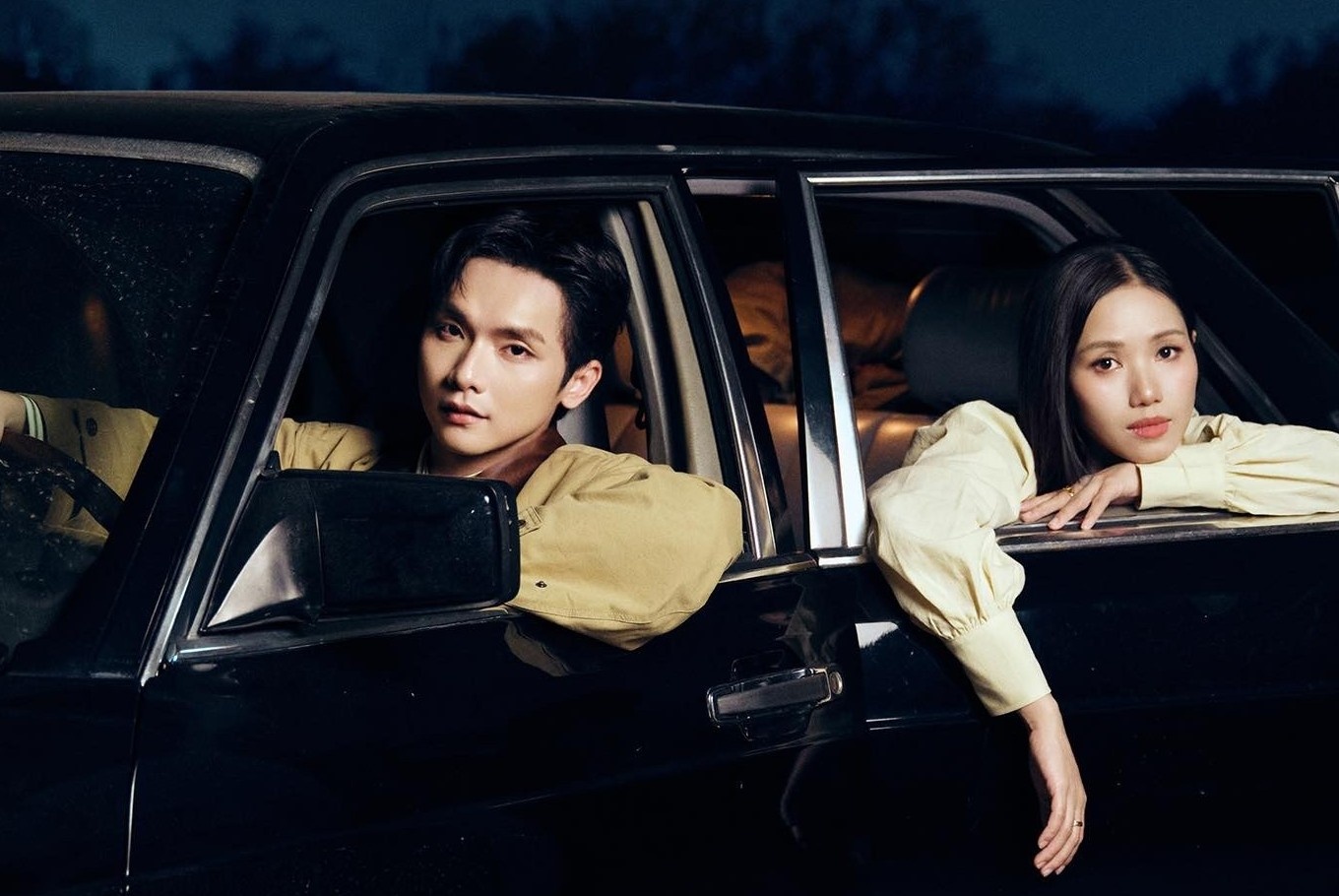
"Artists - publishers - DSPs (Digital Service Providers) - audiences" is a chain of links in the current Vietnamese music market. Artists are the creators, the main actors in writing, recording, and performing music. Publishers, on the other hand, act as business owners: from standardizing metadata, assigning codes, uploading songs to platforms, to deciding on marketing strategies and collecting royalties.
One side possesses talent but lacks the distribution infrastructure; the other has the system but cannot create its own products. Therefore, the two always go hand in hand.
In the context of the rapid development of streaming platforms, publishers are increasingly demonstrating their power and influence over the fate of singers and songwriters. However, in many cases, conflicts and disputes arise between publishers and artists, leading to controversies and even lawsuits. The recent controversy between Phan Đinh Tùng and a long-established music publisher is a prime example.
Who will determine the fate of Vietnamese music?
The Vietnamese music market currently features a host of international giants such as Believe, The Orchard, Universal, Warner, Sony Music, and numerous domestic digital networks and agencies. Each operates on a different model: some focus purely on digital distribution, while others function more like labels, deeply involved in image strategy, marketing, and commercial exploitation for artists.
Previously, most artists focused solely on creating and releasing music videos on YouTube. However, streaming platforms and short video platforms have now made the role of publishers much more important.
Dr. Vo Thi Diem Trang, a lecturer in Professional Communication at RMIT University Vietnam, stated that in many cases, the publisher is the one who determines an artist's career path. They decide which products are released, when they are released, what image to build, and how much marketing budget to allocate. The power to pitch playlists – the gateway to getting artists onto charts like Spotify's "New Music Friday" – rests entirely in the hands of the publisher.
A hit song can be shelved if the company assesses the market isn't ready, while an average product can explode thanks to a suitable marketing strategy. However, this power of distributors also puts many Vietnamese singers in a passive position, forcing them to chase commercial trends instead of pursuing their personal style.
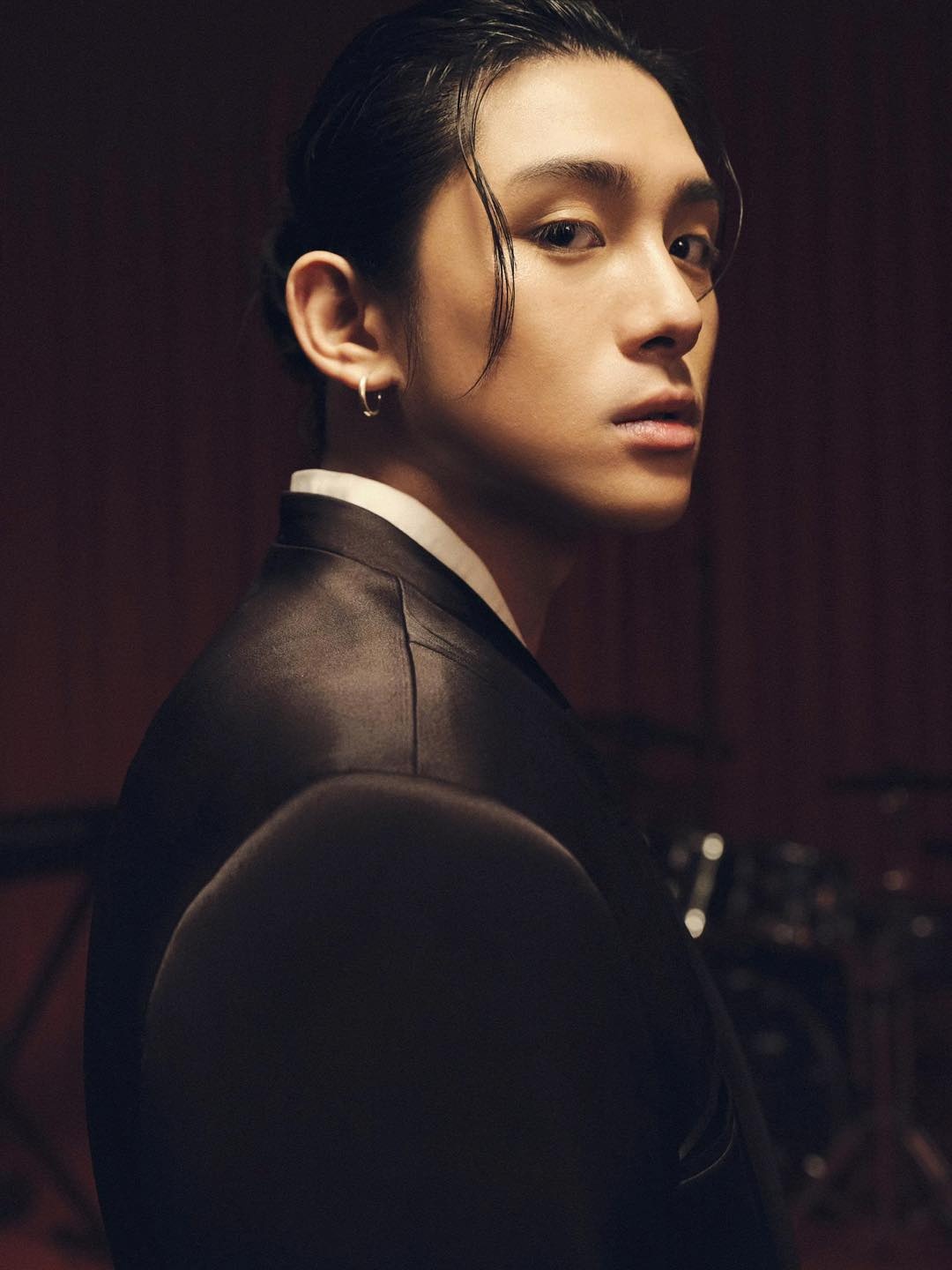  |
Grey D and Phùng Khánh Linh have collaborated with the "giant" Universal Music Vietnam over the years. |
Besides singers/songwriters approaching distributors, in many cases, the "big players" also proactively "hunt" for talent. Singers who already have a stable fan base on TikTok, songs that are going viral on YouTube, or who possess a unique style and the ability to connect strongly with their audience are the faces that distributors bet on.
Once they've selected an artist, publishers typically set requirements such as long-term exclusive contracts to ensure sufficient time for development and return on investment, copyright ownership and commercial exploitation rights on digital platforms, artistic direction, and the right to suggest musical styles, visuals, and direction that align with the publisher's target market strategy. Conversely, artists can also set a range of conditions such as a fair contract, a reasonable revenue sharing ratio, and transparent production and marketing costs.
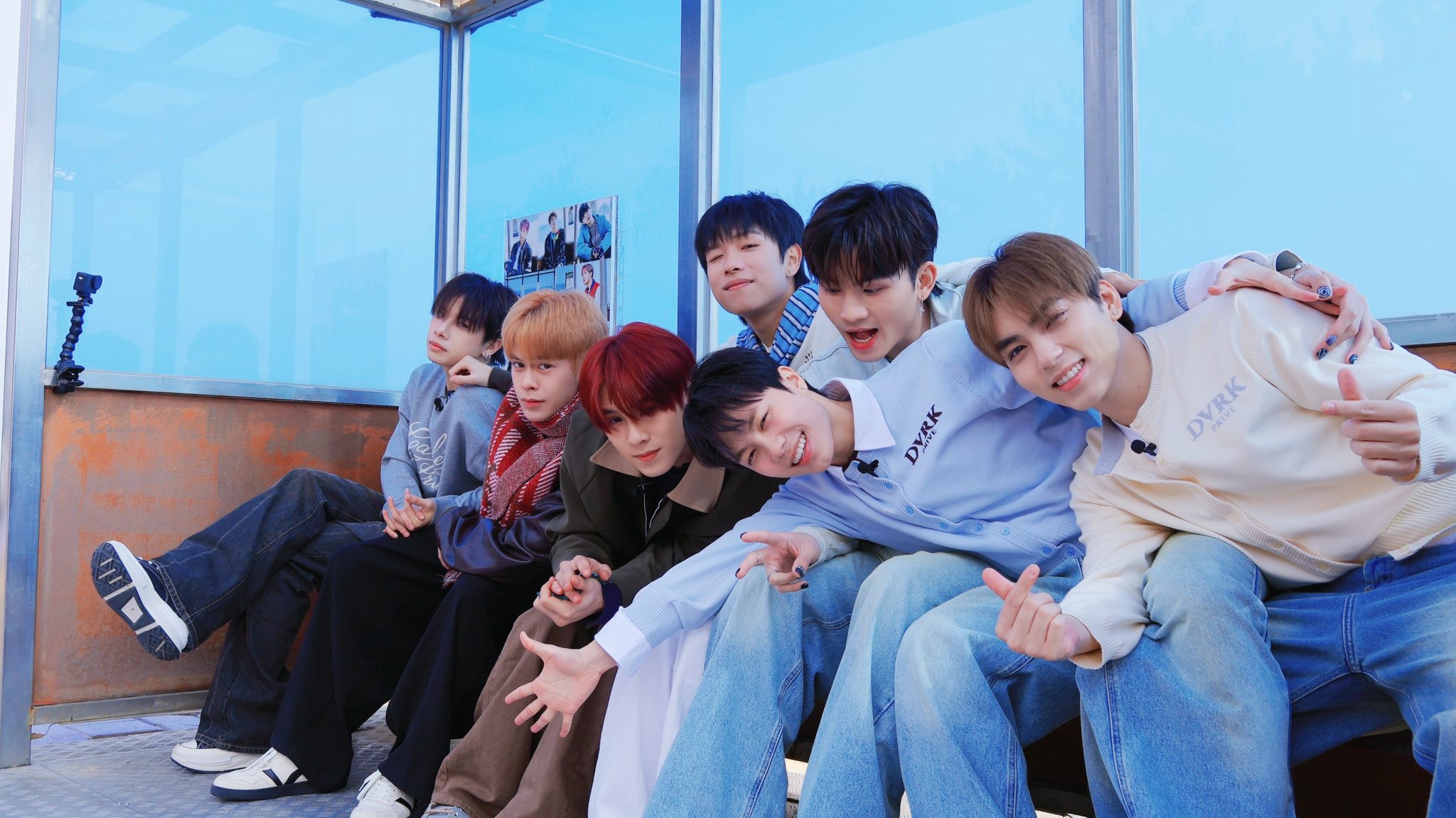 |
Sony Music also releases many products by Vietnamese singers. |
Meanwhile, Hong Quang Minh, CEO of London & Hong Communications, said that typically, artists provide the product, release plan, copyright information, and media direction, while the publisher handles distribution on platforms like Spotify, Apple Music, YouTube, TikTok, etc., as well as supporting data tracking, playlisting, and participating in marketing strategies. The revenue sharing ratio between the two parties is currently quite flexible, commonly ranging from 10-30% of digital revenue depending on the level of support. If the publisher invests more in media or finance, the percentage received can be higher.
When collaborating, publishers are typically interested in image stability, release schedules, professionalism, and exclusive commitments for certain periods. Conversely, artists will also raise issues regarding master ownership, creative rights, investment levels, and the extent of the publisher's interference in their personal direction.
Behind the contradictions
However, the relationship between singers/songwriters and publishers isn't always smooth sailing. Over the years, numerous disputes and conflicts have arisen between the two sides, causing a stir in the Vietnamese music market. Most recently, the case of Phan Dinh Tung speaking out for help when he and his publisher clashed over the establishment, exploitation, and management of intellectual property rights for the song " Khuc Hat Mung Sinh Nhat" and five albums including: "Hat Nhan" , "Tung Chung" , " Tung Thuan" , "Tung Phong" , and "Tung Teen" , attracting the attention of both music professionals and the public.
Dr. Vo Thi Diem Trang analyzed that the conflicts mainly arise from the disparity in interests between the two parties. While publishers operate according to profit logic, artists crave creative freedom and the preservation of their personal identity. In addition, there are unfavorable contract terms – many artists are too tightly bound regarding their rights to accept shows, collaborate with external parties, or release their works individually. Finally, there is a lack of transparency in streaming revenue reporting and copyright management, as artists cannot verify whether the figures they receive accurately reflect reality.
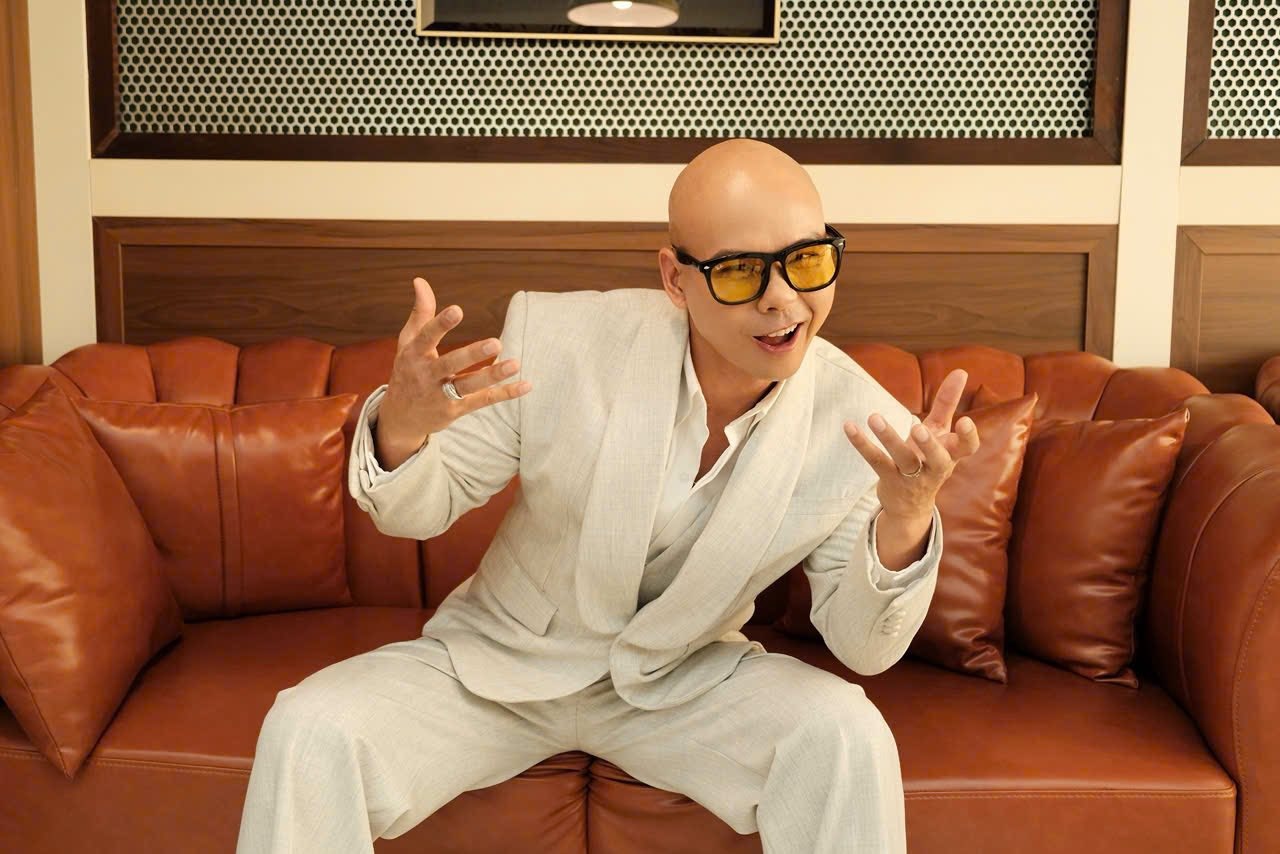 |
The case of Phan Dinh Tung speaking out and "crying for help" when he and the publisher had a conflict over the establishment, exploitation, and management of intellectual property rights for his music products has attracted attention. |
"Behind those numbers and terms lie hidden aspects that are rarely discussed. These are 'trap' contracts with complex wording and overlapping technical jargon, making it difficult for artists, who lack legal background, to fully understand the consequences of accepting them. There's commercial pressure forcing singers to chase TikTok trends and produce hit songs based on formulas instead of their own inspiration and artistic direction. The core problem in the Vietnamese music market today is that most artists approach legal matters through experience and self-learning. They sign contracts based on trust, recommendations from acquaintances, or simply because 'everyone else signs like that,' without understanding the difference between distribution contracts, licensing agreements, and exploitation authorization contracts," the expert stated.
According to the expert, to avoid the aforementioned disputes and conflicts, artists and publishers need transparency in their agreements and contracts. Singers must clearly understand each clause, especially regarding ownership rights, revenue sharing ratios, duration, and termination conditions. They should work with lawyers specializing in copyright and art contracts from the negotiation stage, rather than waiting until a dispute arises to resolve it.
Furthermore, both parties must balance their interests. A good contract is one where both the publisher and the artist benefit, rather than one side "pressuring" the other. The publisher also needs to create space for the artist to experiment with new directions within certain commercial limits.
"In my opinion, the most important thing is transparency from the outset regarding rights, responsibilities, and long-term cooperation. Artists need to understand that the publisher is not a 'savior of their hit song,' and publishers also need to respect the creative identity and personal brand strategy of the artist. Furthermore, professionalizing contracts, ensuring transparency in revenue data, and maintaining regular dialogue between both parties will greatly reduce conflicts. In the modern music industry, the most sustainable relationship is not one where one side controls the other, but rather the ability to achieve mutual long-term growth," the expert emphasized.
Source: https://znews.vn/cac-ong-lon-chi-phoi-ca-si-viet-post1654662.html
![[Photo] The courage of new recruits of Brigade 144 on the training ground.](https://vphoto.vietnam.vn/thumb/1200x675/vietnam/resource/IMAGE/2026/05/27/1779881651341_anh-man-hinh-2026-05-27-luc-18-32-52.png)
![[Photo] The heat at the fireworks display site on the opening night of the Da Nang International Fireworks Festival 2026](https://vphoto.vietnam.vn/thumb/1200x675/vietnam/resource/IMAGE/2026/05/27/1779889741485_ndo_br_z7872039145157-fecaba5112f39e8352544099d7ef4738-5140-jpg.webp)





















































Comment (0)