

Daily protein requirements vary from person to person, depending on weight and health status. According to nutritional recommendations, each person needs approximately 0.8g of protein per kilogram of body weight. For someone weighing around 64kg, the required protein intake is approximately 53g per day. However, those who regularly engage in strenuous physical activity, pregnant women, and people over 65 years old may need more protein.
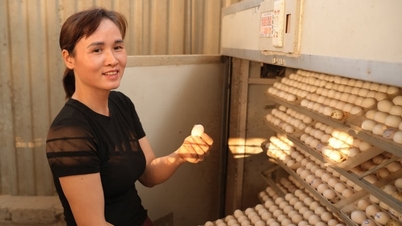
According to data from the U.S. Department of Agriculture , eggs are a familiar protein-rich food, with approximately 5.5g of protein in a medium-sized egg. However, many other foods contain even higher amounts of protein, while also providing additional nutrients beneficial to health.
Chicken breast
A 100g serving of skinless chicken breast provides approximately 22.5g of protein. This is a low-fat, low-sodium, low-carbohydrate, and low-calorie source of animal protein. Chicken breast also contains 9 essential amino acids that the body cannot produce on its own, thus classifying it as a complete protein that effectively supports muscle building and maintenance.
Tuna
Approximately 85g of tuna provides 21.7g of protein. Besides supporting muscle growth, tuna is also rich in omega-3 fatty acids, which are beneficial for cardiovascular health. Canned tuna has a long shelf life and does not require refrigeration before opening.
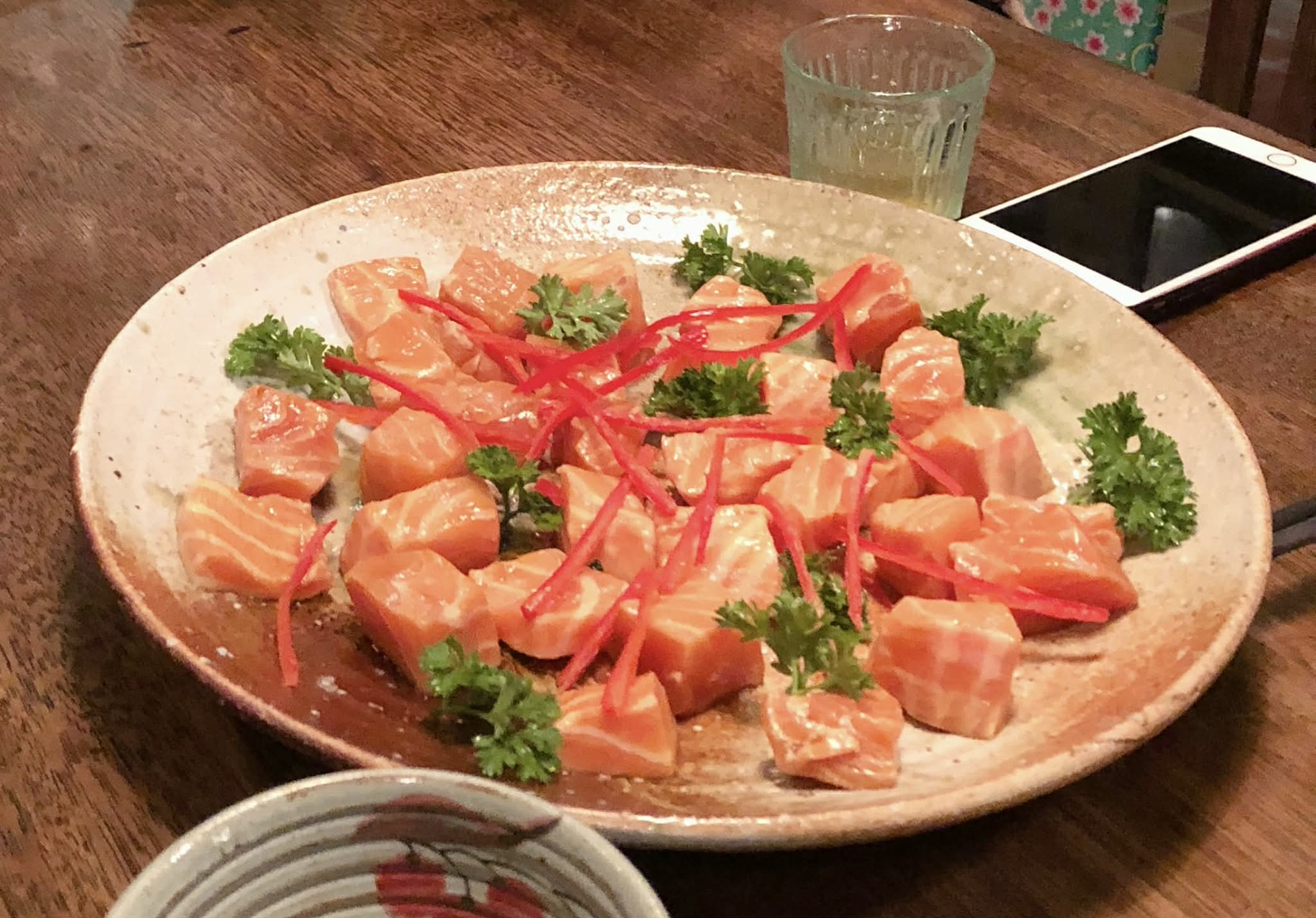
Salmon
An 85g serving of salmon contains approximately 20.3g of protein. Like tuna, salmon is also rich in omega-3 fatty acids. In addition, salmon is high in vitamin D, which helps the body absorb calcium and phosphorus to build strong bones and protect joints.
Black beans
Approximately 86g of black beans contain 6g of protein. This is a suitable source of plant-based protein for vegetarians or those who want to limit their consumption of animal meat. Black beans are also rich in soluble and insoluble fiber, which supports digestion and is good for cardiovascular health.
Tofu
In a serving of approximately 85g, tofu provides 9g of protein. Made from soybeans, tofu is relatively low in calories but rich in minerals and vitamins such as copper, selenium, manganese, and calcium. Tofu can be prepared in many ways, such as frying, boiling, or cooking with other foods.
Almond
Approximately 56g of almonds provide 7.6g of protein. These nuts are rich in monounsaturated fats, which can increase good cholesterol (HDL) and decrease bad fats. In addition to protein, almonds are also rich in calcium, fiber, magnesium, phosphorus, and vitamin E.
Beef and pork
100g of beef contains approximately 20.1g of protein. Red meat also provides many B vitamins, iron, and zinc. In particular, vitamin B12 in red meat plays an important role in the production of red blood cells and nerve tissue formation.
Meanwhile, 100g of pork tenderloin contains approximately 21.1g of protein, making it a popular source of protein in the daily diet.
Source: https://vietnamnet.vn/cac-thuc-pham-giau-dam-hon-trung-ai-cung-can-bo-sung-2520689.html




![[Photo] Ba Lang An Lighthouse - the "eye of the sea" amidst the "rock museum" of Quang Ngai province.](https://vphoto.vietnam.vn/thumb/1200x675/vietnam/resource/IMAGE/2026/05/29/1780038698840_anh-man-hinh-2026-05-29-luc-14-10-42.png)










































































Comment (0)