

1. Risks to the eyes when swimming
Swimming can expose the eyes to many potential hazards such as irritation from chlorine and other pool chemicals that can cause redness, burning, and temporary blurred vision. In addition, swimming can also lead to certain eye conditions such as:
- Bacterial conjunctivitis, also known as "pink eye," is an infection that thrives in warm, moist environments.
- Acanthamoeba keratitis is a rare but serious infection caused by an amoeba found in water, particularly in people who wear contact lenses.
- UV damage can result from reflections from the water's surface, which can amplify harmful UV rays.
In particular, eye problems can easily occur if not properly cared for. For example, some issues such as burning sensations, itching eyes, and even corneal infections can arise if rubbing the eyes causes further damage. Therefore, protecting your eyes while swimming will help prevent related diseases and protect your vision.
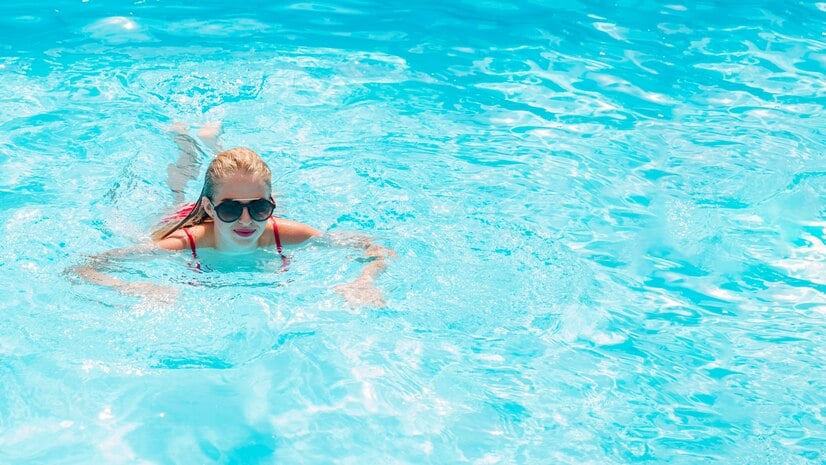
Improper eye protection while swimming can easily lead to eye infections.
2. Effective ways to protect your eyes while swimming.
2.1 Shower before swimming
Shower before swimming to wash off any oils/lotions applied to your face. This prevents these substances from mixing with chlorine, preventing the formation of chloramine, the main cause of stinging and itching eyes.
2.2 Wear properly fitting swimming goggles.
This is essential for eye safety because well-fitting goggles help prevent water from entering the eyes while swimming. Goggles with wide, leak-proof frames create the proper suction around the eyes, helping to prevent pool chemicals from entering and maintaining the tear film. Anti-glare and anti-fog goggles help maintain clear vision underwater.
2.3 Removing contact lenses
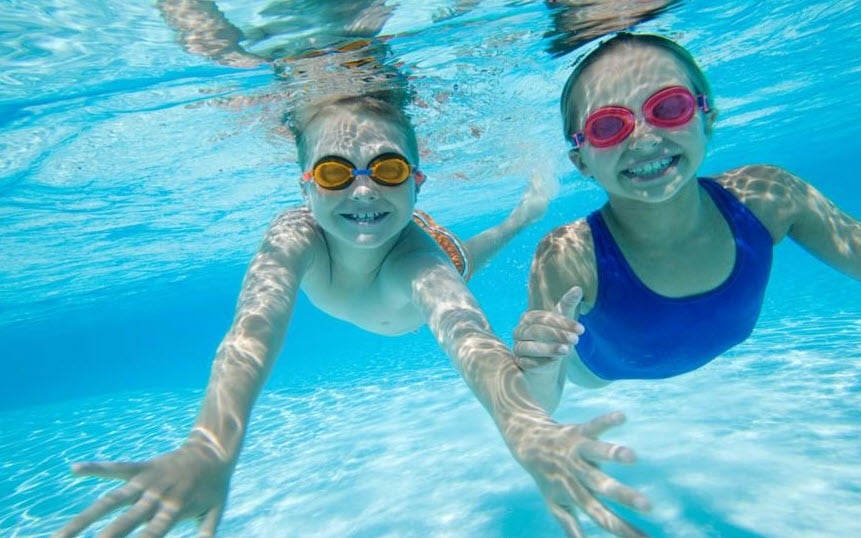
Contact lenses increase the risk of corneal infections and should be avoided at all costs when swimming. Additionally, bacteria can grow on contact lenses if they come into contact with water, and chlorine can adhere to the lenses, trapping bacteria near the eye and increasing the risk of infection.
Instead, use prescription swimming goggles that help people with refractive errors (myopia, hyperopia, or astigmatism) see more clearly underwater.
2.4 Wash your eyes after swimming
After leaving the pool, gently splash water over your closed eyes. This helps remove chlorine and other chemicals from your eyelids and eyelashes. Additionally, rinse your eyes with clean water immediately to help prevent irritation, redness, dryness, and conjunctivitis caused by swimming. If needed, use preservative-free artificial tears to restore moisture to your eyes.
3. When should you see an ophthalmologist?
If you experience persistent redness, pain, blurred vision, sensitivity, discharge, or irritation in your eyes after swimming, you should see an ophthalmologist immediately, as these could be signs of infection, corneal abrasion, or other eye conditions requiring prompt treatment.
Note: The information in this article is for reference only and does not replace professional medical advice. Therefore, always follow the guidance of a specialist doctor on any health issue.
Source: https://suckhoedoisong.vn/cach-bao-ve-mat-khi-di-boi-169260408150621895.htm


![[Image] Nearly 125,000 Hanoi students completed the Literature exam for the 10th grade entrance exam.](https://vphoto.vietnam.vn/thumb/1200x675/vietnam/resource/IMAGE/2026/05/30/1780117233041_ndo_br_thiet-ke-chua-co-ten-2-png.webp)































![[Photo] Admire the coral "masterpiece" amidst the million-year-old heritage of Dak Lak province.](https://vphoto.vietnam.vn/thumb/1200x675/vietnam/resource/IMAGE/2026/05/30/1780107638639_y25-jpg.webp)










































































Comment (0)