

- Common complications of shingles
- Early detection of shingles
- Why is treatment necessary within the "golden 72 hours"?
- Proper skin care when you have shingles
- How can we prevent the spread of infection to those around us?
- Can vaccines prevent the disease?
So how can you effectively care for your skin after shingles and prevent complications?
Common complications of shingles
Shingles not only causes discomfort during the acute phase but can also leave many long-term consequences, the most common of which are:
- Post-herpetic neuralgia: pain that lasts for months, even years, after the skin lesions have healed.
- Secondary skin infection: caused by bacteria entering the damaged skin area.
- Unsightly scars, skin pigmentation disorders
- Eye complications (if shingles affects the face): may affect vision.
- Rare but dangerous: encephalitis, meningitis
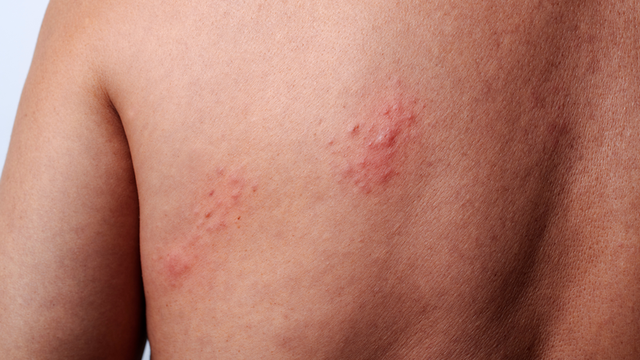
Although not a rare disease, shingles, if not detected and treated properly, can leave many long-lasting complications.
Early detection of shingles
Early detection improves treatment effectiveness and reduces the risk of complications. Some early warning signs include:
- A feeling of pain, burning, stinging, or itching in an area of skin.
- The skin turns red, then small blisters appear in clusters.
- The blisters usually appear in a band, on only one side of the body.
- It may be accompanied by a mild fever and fatigue.
- When these symptoms appear, patients should seek medical attention early for timely diagnosis and treatment.
Why is treatment necessary within the "golden 72 hours"?
The first 72 hours after the onset of symptoms is the "golden period" in treating shingles. If antiviral medication is used early within this timeframe, patients will:
- Reduce the severity of the disease.
- Limit the spread of skin damage.
- Reduce the risk of chronic nerve pain.
- Shorten recovery time.
Conversely, if treatment is delayed, the virus can cause deeper damage to the nerves, increasing the risk of long-term complications.
Proper skin care when you have shingles
Skin care plays a crucial role in the recovery process and in preventing complications. Patients should note:
1. Keep the affected area clean and dry.
- Wash gently with clean water or an antiseptic solution as directed.
- Avoid rubbing vigorously, as this can break blisters.
2. Do not apply folk remedies without consulting a doctor.
- Leaves and herbs of unknown origin can cause infections or worsen irritation.
3. Do not scratch or break the blisters.
- This can easily lead to infection and scarring.
4. Use medication as prescribed.
- Use antiviral medication, pain relievers, or topical creams as directed by your doctor.
5. Wear loose, breathable clothing.
- Helps reduce friction and irritation on the affected skin area.
How can we prevent the spread of infection to those around us?
Shingles can transmit the virus to people who have never had chickenpox or have not been vaccinated, causing them to get chickenpox. Therefore, patients need to:
- Cover the affected skin area when in contact with other people.
- Avoid close contact with young children, pregnant women, and people with weakened immune systems.
- Do not share personal items such as towels and clothing.
- Wash your hands frequently and after touching the affected skin area.
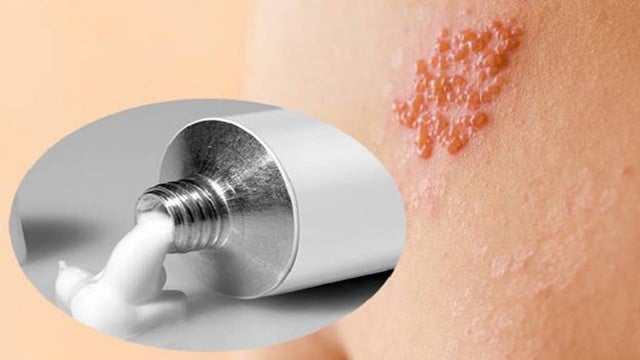
Shingles is a disease that can be well controlled if detected early and properly cared for.
Can vaccines prevent the disease?
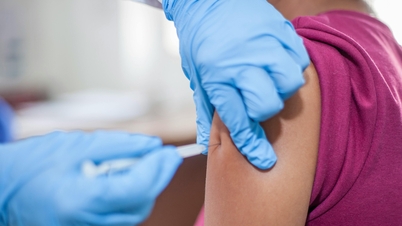
Vaccines are now available to prevent shingles. These vaccines work by:
- Reduce the risk of disease.
- Reduced severity if affected
- Reduce the risk of post-herpetic neuralgia.
Vaccination is generally recommended for people over 50 or those with weakened immune systems. However, vaccination should be advised by a doctor to suit individual health conditions.
Shingles is a manageable disease if detected early and properly cared for. In particular, treatment within the "golden 72 hours" and proper skin care play a crucial role in preventing long-term complications. Proactively protecting your health, raising awareness of disease prevention, and consulting with healthcare professionals will help minimize the impact of shingles.
Watch more trending videos
Source: https://suckhoedoisong.vn/cach-cham-care-da-sau-zona-de-tranh-cac-bien-chung-keo-dai-169260517215905226.htm

![[Image] Nearly 125,000 Hanoi students completed the Literature exam for the 10th grade entrance exam.](https://vphoto.vietnam.vn/thumb/1200x675/vietnam/resource/IMAGE/2026/05/30/1780117233041_ndo_br_thiet-ke-chua-co-ten-2-png.webp)
































































































Comment (0)