

Pay real money, receive virtual service.
Nowadays, it's not difficult to find communities on social media selling surprisingly cheap travel vouchers and packages, such as: Cheap Travel; Hot Deals Voucher & Combo Tours Nationwide; Hunting for Cheap 5-Star Tours; Cheap Travel Combos... To attract buyers, many fan pages launch promotional packages such as free breakfast and airport transfer services.
However, alongside tourism stimulus programs offered by reputable travel agencies and businesses, many people have been disillusioned by fake fan pages designed to scam consumers.
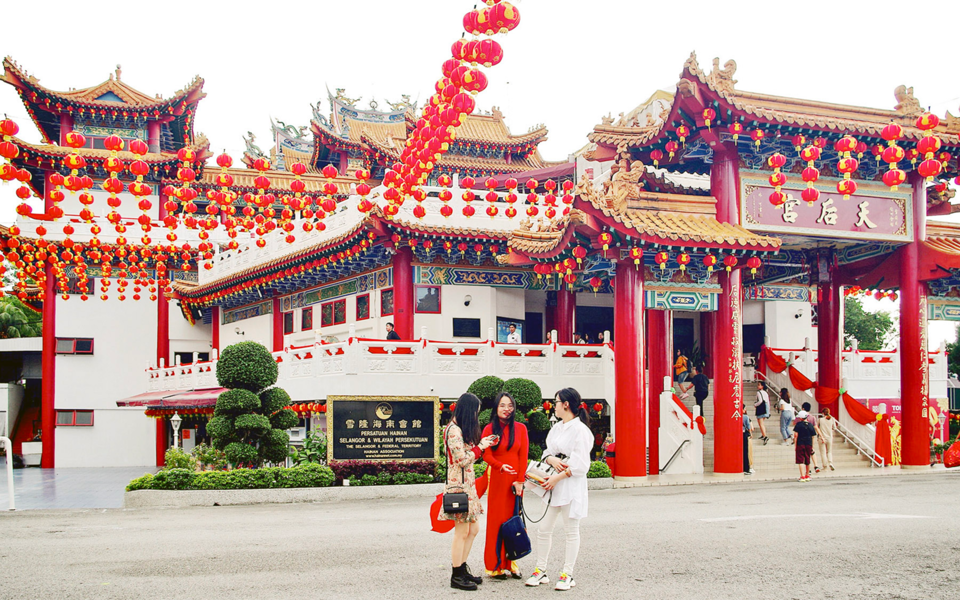
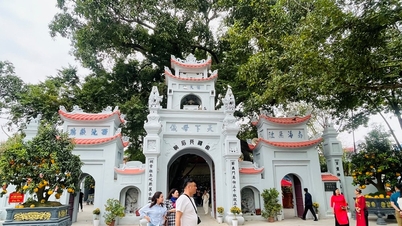
Mr. Tran Quoc Khanh, residing at alley 85 Nguyen Luong Bang (Dong Da district), was very disappointed with the service quality, which was far below what the seller advertised. At the beginning of the year, his family wanted to visit Sapa and pay respects at the Ong Hoang Bay temple (Lao Cai). Seeing an advertisement on a Facebook group selling tours to Sapa at a price 700,000 VND cheaper per person than usual, he signed up for the tour.
But upon arrival, we discovered that the tour quality was not as advertised. The three-star hotel in the contract was just a budget guesthouse located far from the city center. The specialty restaurant was transformed into a cheap eatery, and when tourists complained about the poor quality of the meal and ordered extra dishes, they were charged exorbitant prices. When they complained to the seller and on social media, the tour provider blocked their number and deactivated their Facebook account.
In fact, recently, travel groups on Facebook have been flooded with pleas for help from tourists who have been scammed out of their deposits for airline tickets that were cheaper than the official listed price.
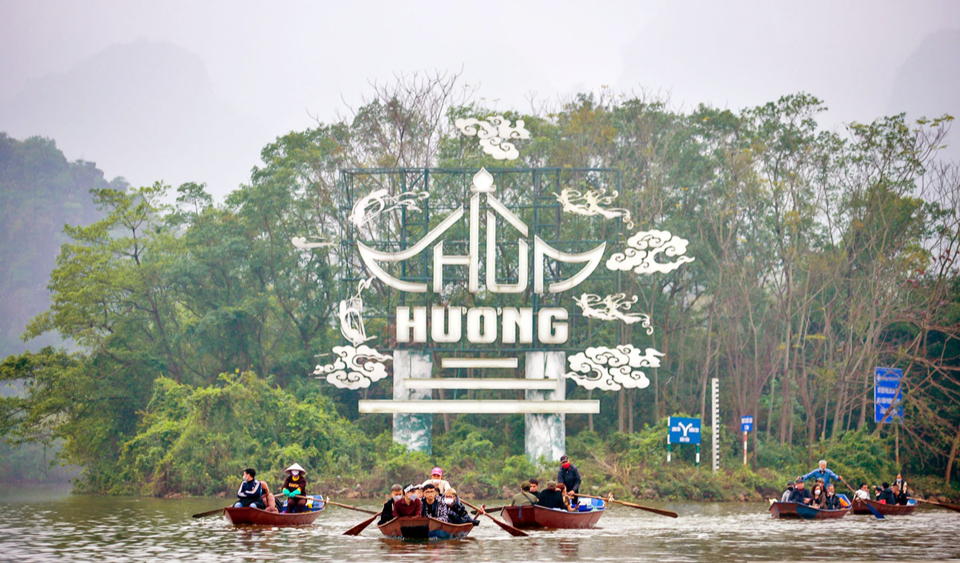
This situation isn't limited to individual travelers; even tourism businesses are facing similar problems. On the Facebook group "Professional Tour Operators Association 4.0," a user named Phuong Nguyen exposed several individuals using the Hạ Long Ambassador Cruises company as a front to offer 3-day, 2-night packages on 5-star cruises for 2 million VND per person.
Many companies, finding the service prices quite cheap, spent tens of millions of VND to purchase these packages. However, after transferring the deposit, the sellers informed them that the trip was canceled but refused to return the money paid for the travel package.
Be a smart consumer.
To avoid being scammed, tourism experts suggest that consumers should be smart when buying cheap tours and travel services.
According to Nguyen Tien Dat, Director of AZA Travel, in order to create high-quality promotional products, travel agencies, transportation companies, and accommodation providers must cooperate closely to organize promotional programs, but the discount should not exceed 40%. Therefore, products that are widely advertised with discounts of up to 60-70% are likely to be a marketing ploy, and customers will have to pay additional fees or have services reduced.
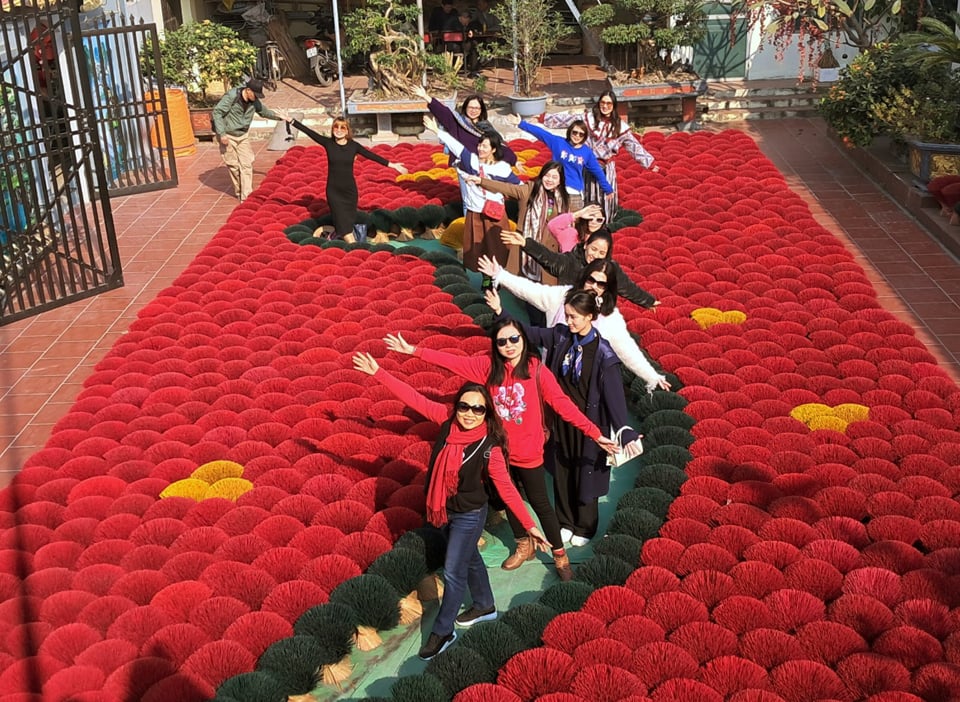
To defraud consumers, many individuals have created fake websites impersonating reputable travel companies to sell tours, airline tickets, and hotel rooms at significantly inflated prices compared to market rates. However, as soon as buyers transfer money, these individuals immediately cut off all contact, leaving consumers helpless and unable to recover their deposits.
Concurring with this observation, Pham Tien Dung, Vice President of the UNESCO Hanoi Travel Club, stated that another form of fraud employed by these individuals is the tourist visa application service during peak holiday seasons.
"Many people have reported being offered visa application services with a high 'approval' rate, but after the victims transfer the payment, the perpetrators leave the victims to complete the application themselves… Then, when the visa is not approved, they use various excuses to blame the victims and do not return the money," Mr. Dung informed.
To help tourists avoid being scammed, Nguyen Quynh Anh, Vice Chairman of the National Competition Commission ( Ministry of Industry and Trade ), advises consumers to carefully research information about the company providing the service and any promotional programs before choosing a product. For online purchases, people should choose social media pages with a blue checkmark (indicating registered accounts) or reputable social media pages where they know the seller's information well.

From the perspective of a tourism expert, the Chairman of the Vietnam Tourism Association, Vu The Binh, advises that to avoid being scammed, customers should not transact with individuals whose information is unclear. Furthermore, they should absolutely not transfer money to personal accounts that are not the company's official accounts. They should also go to the company's headquarters to confirm the transferred amount instead of relying solely on social media.
Similarly, Vice President of the Vietnam Tourism Association , Mr. Phung Quang Thang, stated that tourists need to be cautious of unusually cheap tour service offers, as deep discounts at this time are unlikely given the high increase in airfare and hotel room rates. Tourists should also take screenshots of the tour seller's video call, save photos of the seller's ID card, and photos of completed transactions... to use as evidence if they unfortunately become victims of fraud.
"Tour packages are different from selling clothes or cosmetics... Although they are also advertised online, the tour operator must be a clearly identified company to be able to connect with transportation and accommodation providers to offer discounted programs at low prices. If only one or two individuals advertise, it's not trustworthy. Cross-checking information will significantly reduce the chances of falling into scams when booking cheap tours," Mr. Thang shared.
Source

![[Image] Pleasant weather helps students enter the 10th grade entrance exam with confidence.](https://vphoto.vietnam.vn/thumb/1200x675/vietnam/resource/IMAGE/2026/05/29/1780034401612_ngay-1-thi-lop-10-minh-duy-8-5009-jpg.webp)


![[Photo] Ba Lang An Lighthouse - the "eye of the sea" amidst the "rock museum" of Quang Ngai province.](https://vphoto.vietnam.vn/thumb/1200x675/vietnam/resource/IMAGE/2026/05/29/1780038698840_anh-man-hinh-2026-05-29-luc-14-10-42.png)
































































Comment (0)