

These days, in Son Nam village (Cam Hung commune), people are harvesting lemongrass to sell on the market. According to the locals, lemongrass is drought-resistant, has few pests and diseases, and requires low costs for fertilizer and labor.
After about 6 months of planting, the plants begin to yield a harvest. From then on, people harvest the next crop every 3-4 months, and one planting can be continuously exploited for about 2 years before needing to be replanted. From previously unproductive gardens and low-yield agricultural land, lemongrass cultivation is opening up a new economic development direction for many households.
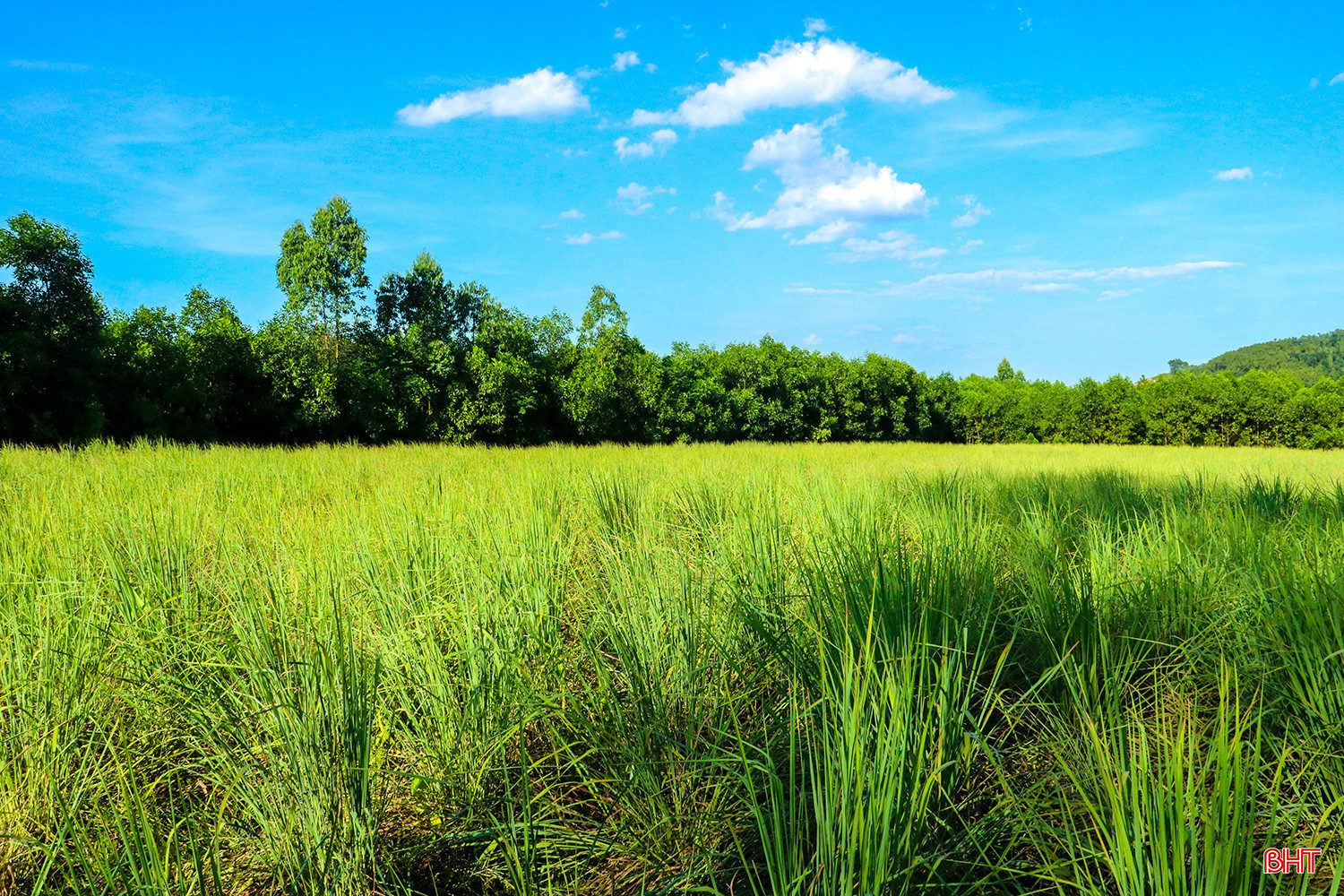
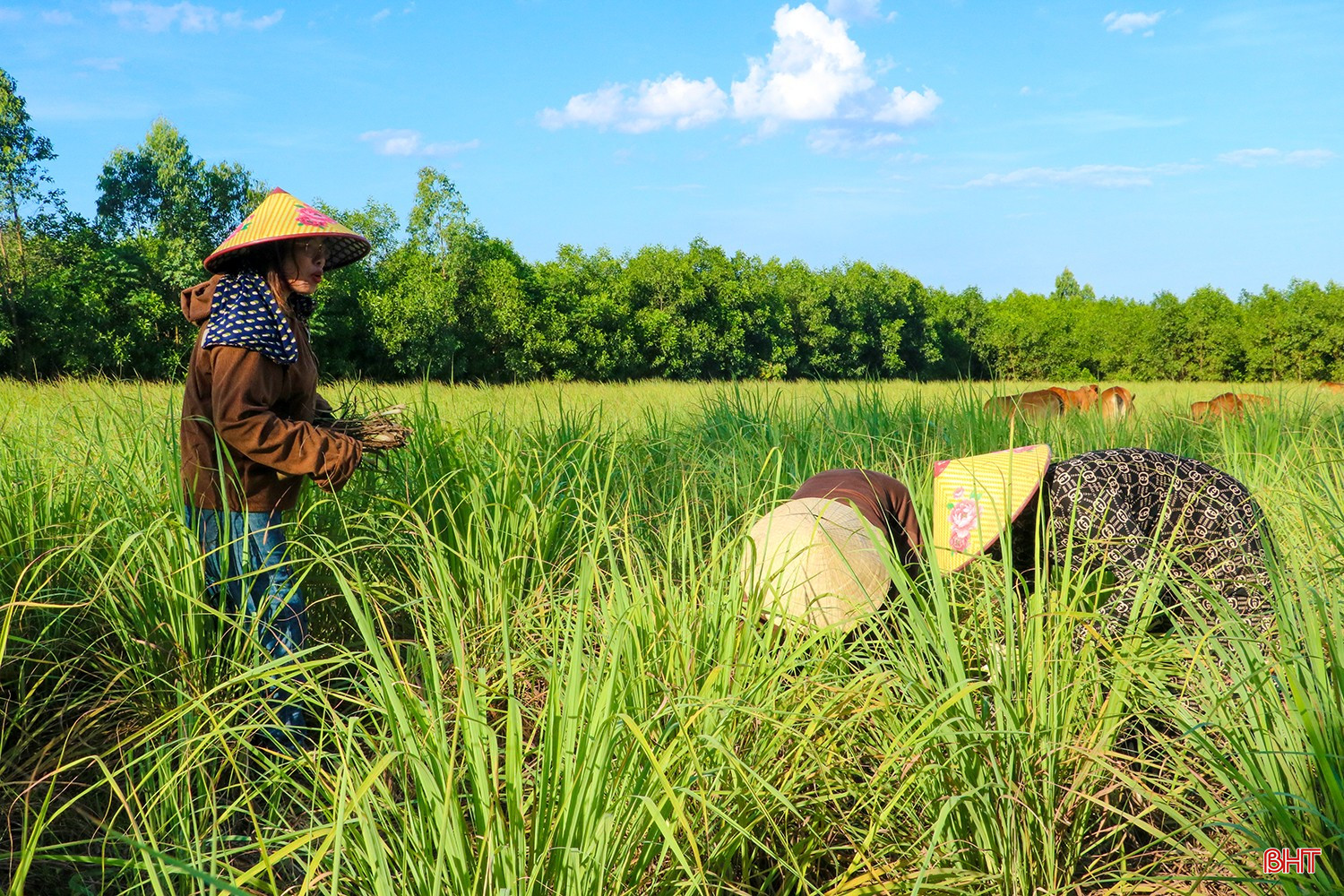
Recognizing the development potential and economic efficiency of lemongrass, in February 2025, the Son Nam Village Lemongrass Growing Cooperative was established with 30 members. To date, the cooperative has grown to nearly 150 members participating in production and is managed by the Women's Union of Cam Hung Commune.
Ms. Ha Thi Vinh (Son Nam village, Cam Hung commune) shared: “Initially, my family only planted lemongrass around the garden for household use. After a while, seeing that the plants grew well, the market was stable, and the selling price was quite high, we boldly expanded. From the initial small plot, my family now cultivates nearly 7 acres of lemongrass, with an average income of about 25-30 million VND per acre per year.”
Not only Ms. Vinh, but many households in Son Nam village say that lemongrass is currently the main source of income for many families. Thanks to its suitability to the soil conditions, its long harvesting period, and the ability to harvest multiple crops per year, the villagers have a considerable income.
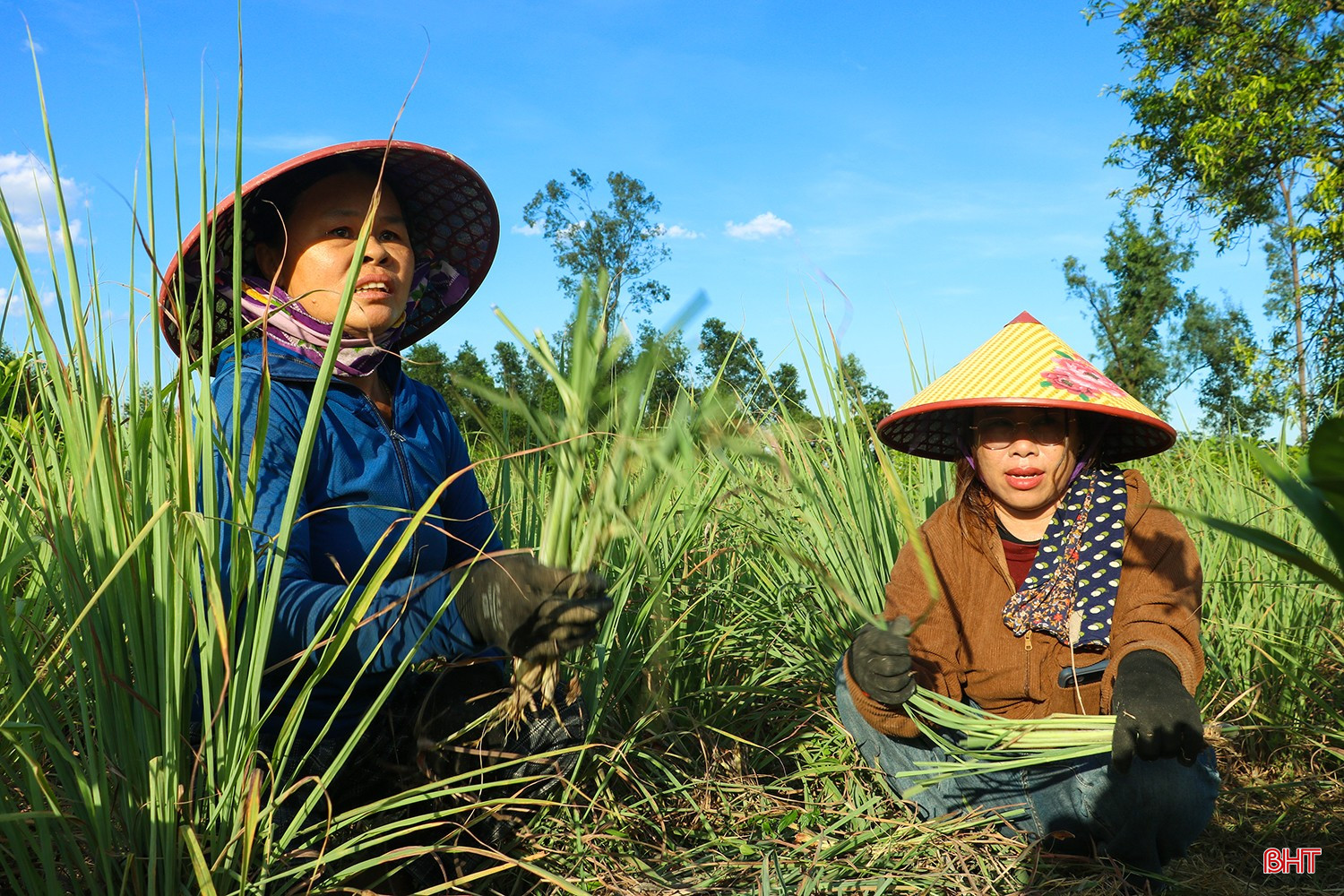
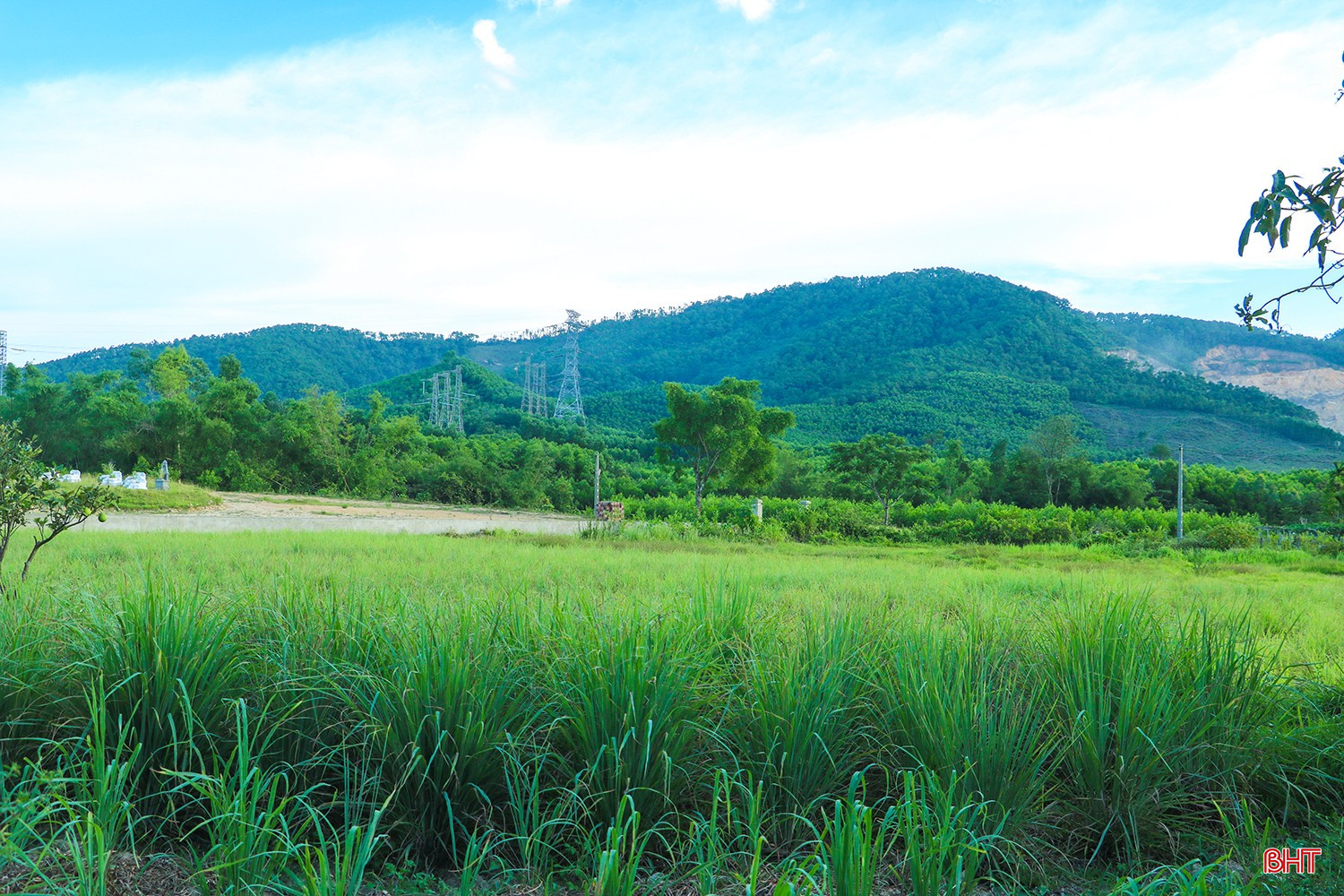
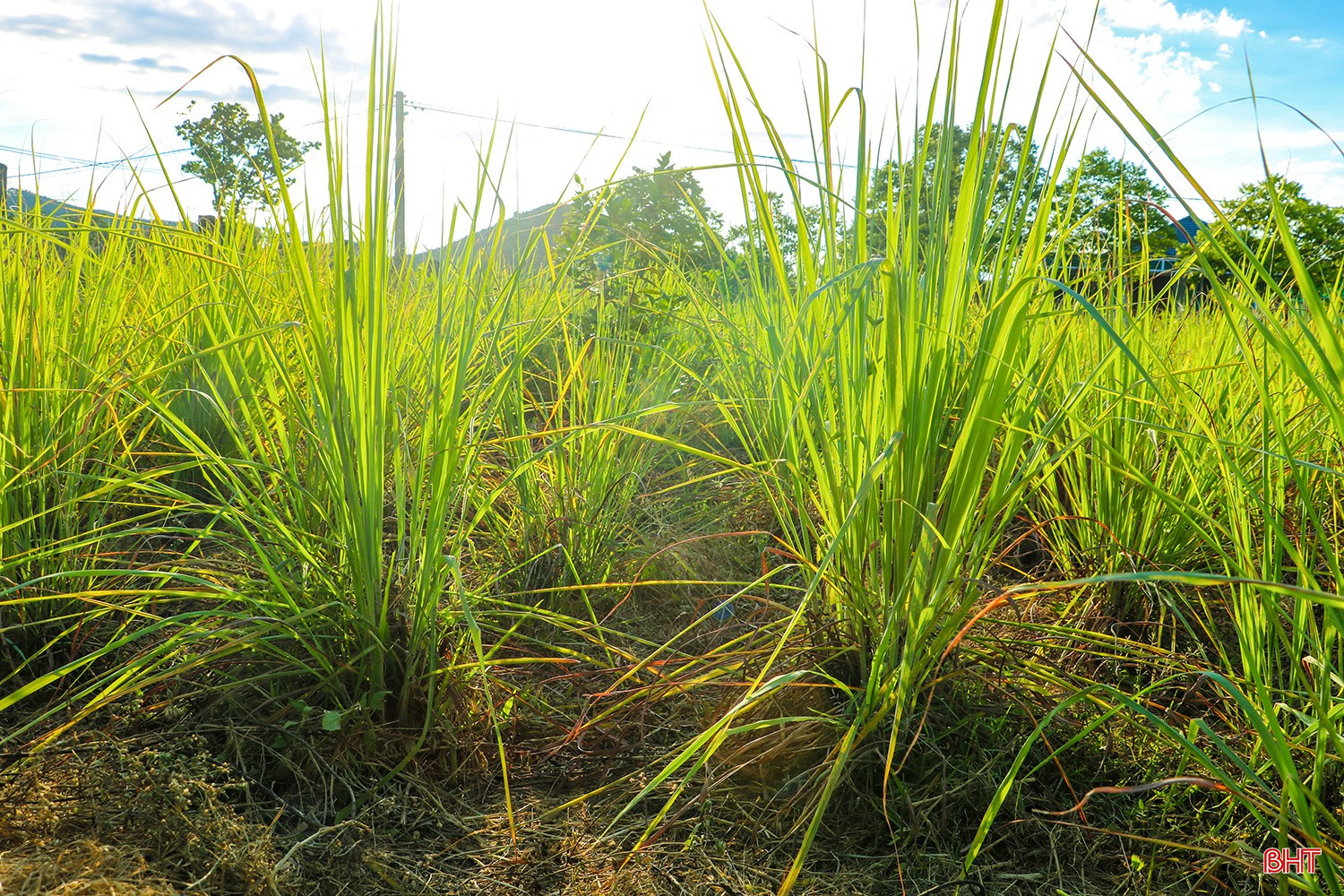
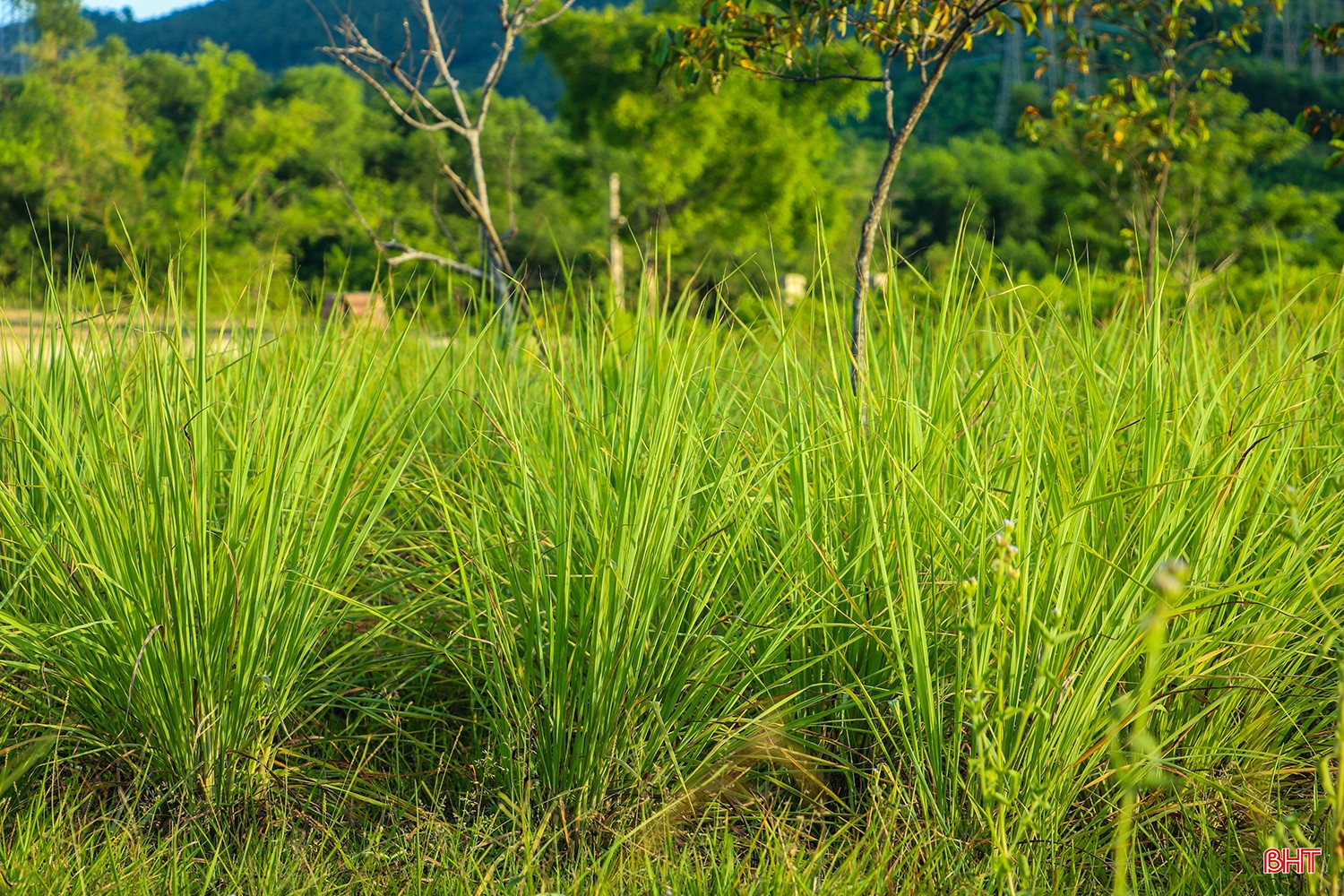
According to local authorities, Son Nam village has more than 6 hectares of land planted with lemongrass. Currently, lemongrass sells for 25,000 - 30,000 VND/kg; lemongrass leaves are sold to essential oil processing facilities for 20,000 - 30,000 VND/10 kg. After harvesting, in addition to traders coming to buy directly from the farmers' homes, people proactively take the produce to wholesale markets in Ha Tinh province to sell.
Ms. Nguyen Thi Tam, head of the lemongrass farming cooperative in Son Nam village (Cam Hung commune), said: “The establishment of the cooperative has helped households change their production methods from small-scale to collaborative, supporting each other in terms of techniques, experience in cultivation, and product consumption. In the future, we will continue to encourage and support people to expand the area of lemongrass cultivation to increase their income.”
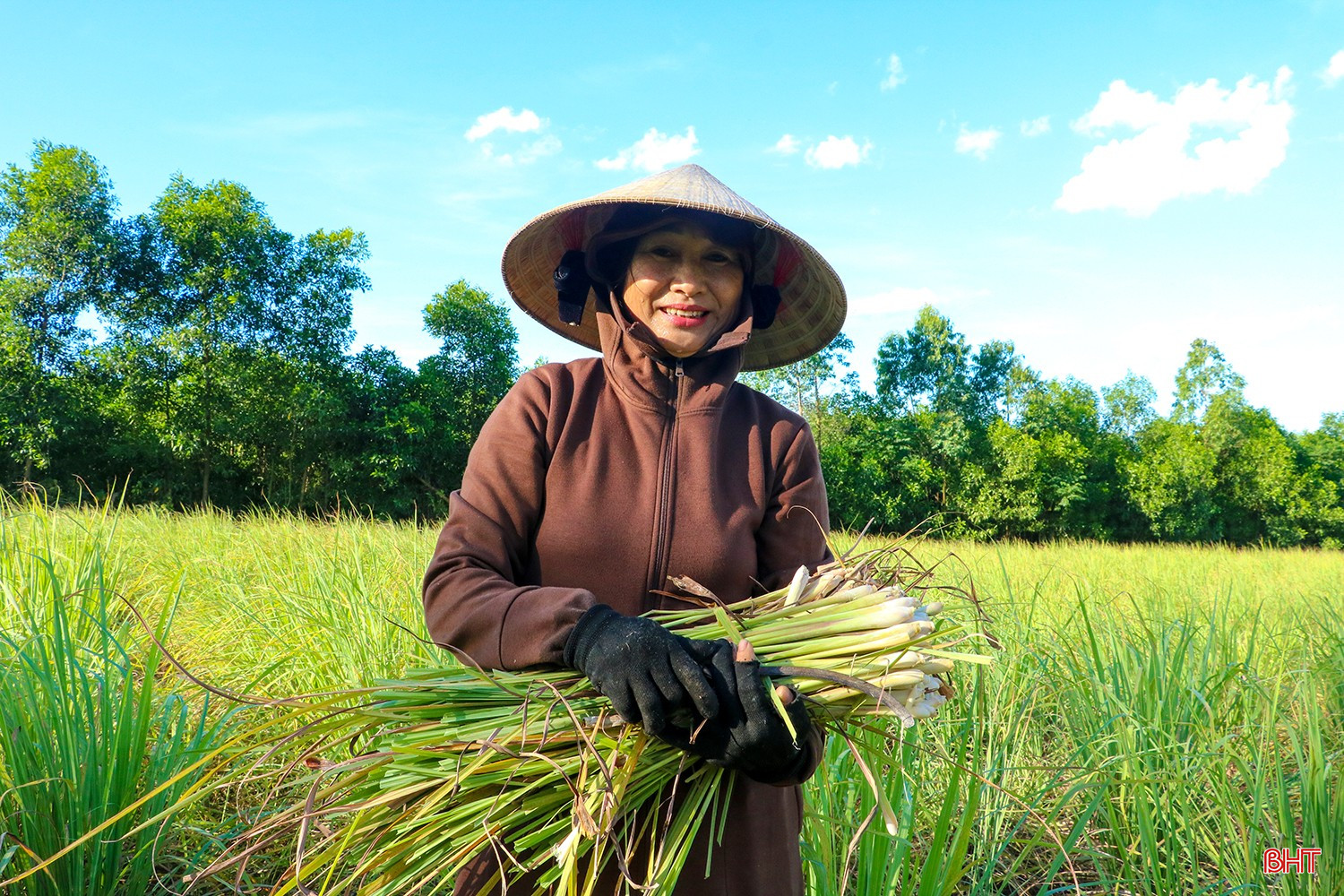
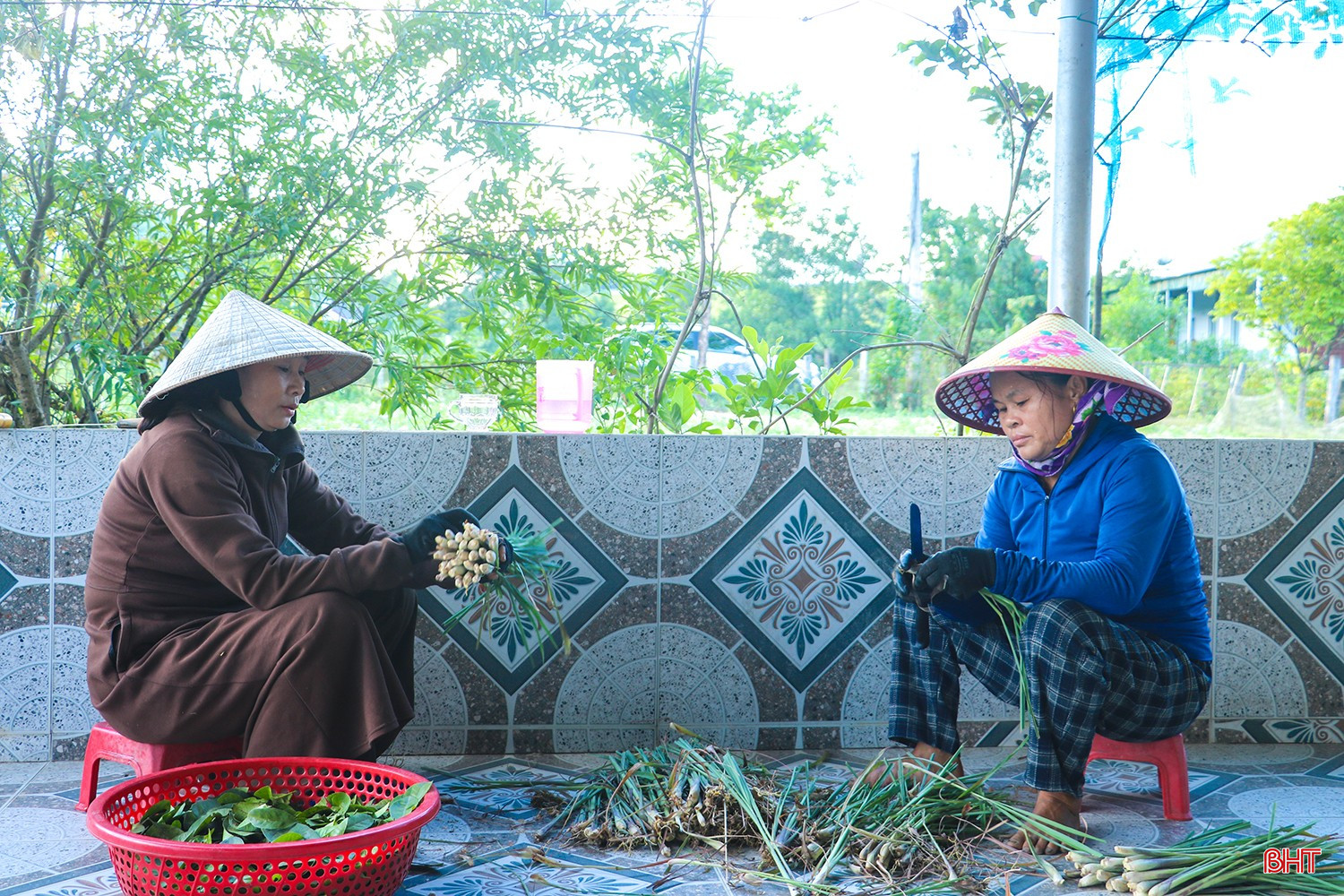
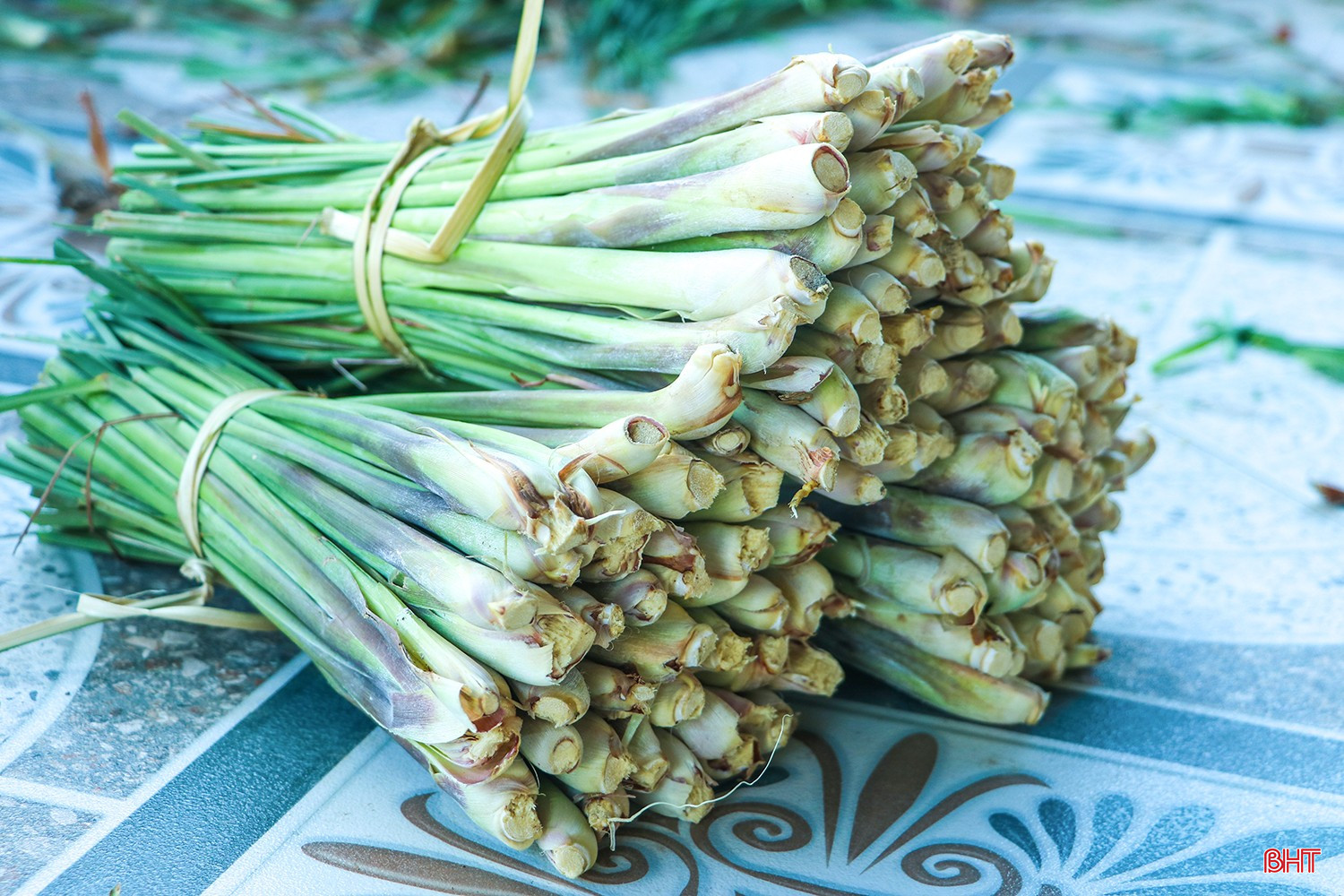
From a familiar spice plant in home gardens, lemongrass not only provides a stable source of income but also contributes to changing production mindsets, efficiently utilizing garden land, and opening up a sustainable economic development direction for local people.
Cam Hung commune has suitable land and climate conditions for lemongrass cultivation. In the coming time, the locality will continue to encourage people to expand the area, especially in areas with low cultivation efficiency; at the same time, we will plan to develop more lemongrass cultivation areas in Chien Thang and Hoa Son villages. We are also strengthening connections with medicinal herb production facilities and spice processing businesses to expand the consumption market, gradually building a stable supply chain for lemongrass, contributing to increasing people's income.”
Mr. Vo Anh Vu - Chairman of the Farmers' Association of Cam Hung Commune
Source: https://baohatinh.vn/cay-sa-doi-vai-thanh-cay-kinh-te-o-cam-hung-post311389.html



![[Photo] Admire the coral "masterpiece" amidst the million-year-old heritage of Dak Lak province.](https://vphoto.vietnam.vn/thumb/1200x675/vietnam/resource/IMAGE/2026/05/30/1780107638639_y25-jpg.webp)
























































































Comment (0)